
Michael Page UFC Paris: Middleweight Return Adds Fresh Risk
MVP keeps drifting into the strange, and the octagon keeps making room for it.
 Beatrice Kensington6 min read
Michael Page has made a career out of looking a half-step removed from the sport’s ordinary logic, and now he has been sent back to the 185-pound division for another bout that feels pulled from the margins of matchmaking. The UFC’s UFC Paris card has grown another layer, and with it comes the sort of booking that makes fans lean forward rather than settle in. Page against Nursulton Ruziboev is not the neatest line on the page. It is, instead, the kind of fight that asks whether a brilliant stylist can keep turning surprise into substance.
The return to middleweight is the real story here. Page has spent enough time in and around different weight classes to make his body a public argument, and every move down or up carries its own logic and its own hazard. The larger man in the smaller-man’s space often looks imposing for exactly one round, sometimes less. The smaller man who can make the bigger frame look clumsy can become a nuisance, then a problem, then a nightmare. In Michael Page), those truths are magnified by a style that has always seemed to arrive with its own weather system.
UFC Paris gets a fight built on mismatch theory and mystery
Paris has become one of the UFC’s cleaner stages for ambition: a European crowd that wants proof of concept, a card that tends to reward forward motion, and a spotlight that makes every tactical wrinkle feel larger than it is. This latest addition fits that mood. Nursulton Ruziboev is not being placed in the cage as decorative opposition. He is there because the UFC still believes oddball pairings can produce clarity.
That is the gamble with Page. He has never been a conventional read. His feet slide, his hands flick, his angles invite the kind of hesitation that can drain a fighter’s best intentions. Yet style alone does not pay the bill in this division. At middleweight, the room for error shrinks fast. The opponents are longer, sturdier, often more willing to stand in the pocket and accept a few cuts in exchange for one clean answer. That is a dangerous trade against a man who makes rhythm look optional.
MVP is still the sort of fighter who can make a weight class feel like a suggestion rather than a destination.
For Ruziboev, the assignment is plain enough: impose size, make the fight physically honest, deny Page the luxury of operating in the spacious, theatrical tempo that so often flatters him. For Page, the path is equally clear and much harder to execute. He must make the bout look like a conversation he already knows how to conduct. If he cannot, the middleweight return becomes less a fresh chapter than a reminder that some artists are still bound by the canvas.
Why the weight class matters more than the novelty
There is always a temptation to treat Page as a spectacle first and a contender second. That is a mistake. Yes, he is one of the sport’s more singular technicians, and yes, he can make even good fighters look briefly unsure of where the edges are. But the UFC is a league of consequences, and consequences tend to show up most clearly when a fighter is moved outside his most comfortable physical frame.
Middleweight is unforgiving in a way that lower divisions can sometimes hide. A missed read is not merely a missed read; it is often a clinch, a takedown, a punishing sequence against the fence, a round that slips away like water through fingers. That is the question hovering over this fight. Can Page’s style still buy him enough time against bigger men? Can his movement force Ruziboev to carry doubt, not just weight?
We have seen the UFC do this dance before, and it never quite loses its appeal. A fighter with fame, flair, and a distinctive selling point gets nudged into a new division, and the promotion hopes the shift reveals either hidden depth or a useful limit. It is not always about crowns. Sometimes it is about truth.
What this says about Page now
Page’s career has long lived in the space between admiration and unresolved business. Fans know the tricks. Opponents know the reputation. What remains is the harder part: proving that a reputation built on dexterity can survive a field full of men eager to drag it into traffic.
I have always thought fighters like Page force the sport to ask a blunt question that executives prefer to dress up in matchmaking language: is the entertainment the point, or is the title path still the only measure worth trusting? My answer is that both matter, but not equally. A fighter can become a star by making the game feel newly alive. A fighter becomes lasting only when the shine outlives the surprise.
Page has already done enough to earn that first category. The second requires nights like this one. Not glamorous, not simple, not tailor-made for highlight reels. Just useful. Just revealing. If he can handle the physical strain of UFC Paris and make a disciplined middleweight look out of sequence, then the division has a problem on its hands. If he cannot, the old question returns in a sharper form: how much of the mystique survives once the opposition is prepared for every angle?
The stakes for Paris, and for the odd little business of UFC matchmaking
This card already had the feel of a proving ground, and Page’s return only sharpens it. UFC matchmaking is often accused, fairly, of chasing novelty for its own sake. Yet sometimes the unusual booking does the honest thing. It exposes what a fighter really is.
That is the quiet promise here. Not simply whether Page wins, but what kind of win, or loss, arrives. Does he keep the bout at his preferred distance and turn Ruziboev into a man reaching through fog? Does the size difference eventually assert itself, reminding everyone that footwork can be elegant right up until it meets a heavier shoulder? Either answer tells us something useful.
The broader UFC calendar loves these inflection points. They create the illusion of abundance while also sorting the real from the merely interesting. That is why the Paris card matters beyond the geography. It is another stage where a fighter’s brand has to collide with the sport’s oldest demand: show me.
Page has spent years making that demand feel negotiable. Middleweight will try to make it final.
The bell will sort it out soon enough. And if the outcome feels strange, that may be exactly the point.
More from Straight From The Bench
Comments
Join the conversation — sign in to leave a comment.
Sign in to commentRelated Stories

Conor McGregor Injury Update: Matt Brown Eyes One Last UFC Fight
Matt Brown says McGregor still has one more fight in him, but the promotion won’t be handing out favors if the deal isn’t right. Old stars don’t get special treatment forever.

Sophie Cunningham UFC 329 Ring Girl Appearance: How It Happened
Sophie Cunningham’s UFC 329 cameo wasn’t scripted. It still became one of the night’s loudest moments, and Dana White knows exactly why that matters.
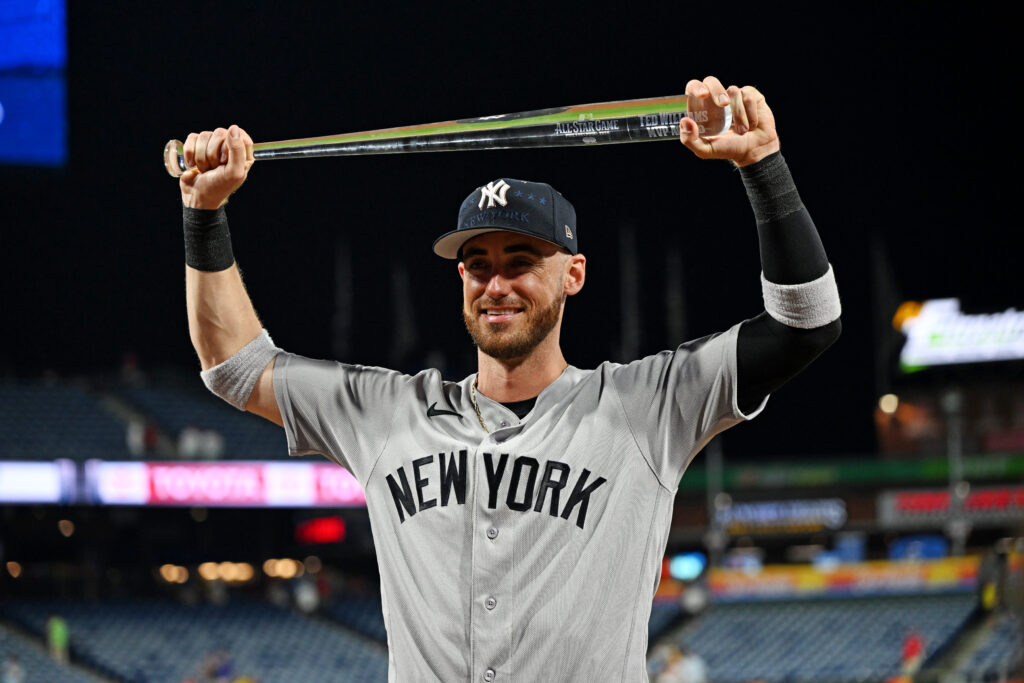
MLB All-Star Game Results: AL Shuts Out NL in Pitching Clinic
The American League blanked the National League in a tidy All-Star beatdown, with Cody Bellinger taking MVP honors and Justin Wrobleski making a little history.