
Michael Sweetney Death: Knicks Draft Pick Dies at 43
A big man’s promise, a short run, and the hard reality of this racket.
 Leo Lupo6 min read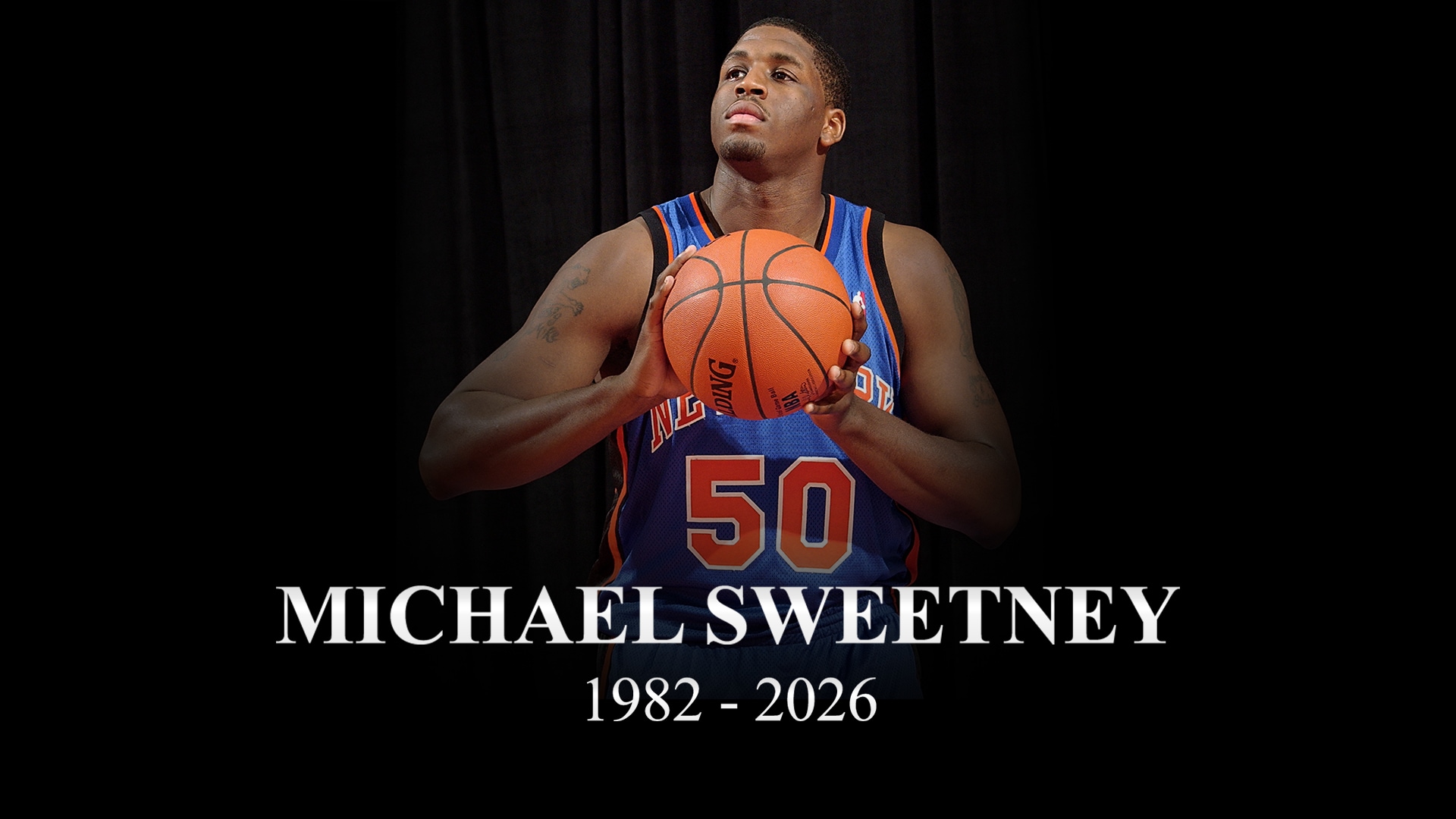
Michael Sweetney’s name was never supposed to end up in the obituary column this soon. Not for a man who came into the league with real heft, real promise, and that old-school Georgetown toughness in his bones. But here we are. Sweetney, the 9th pick in the 2003 NBA Draft, is gone at 43, and the news hits harder than most because his story was never just about points and rebounds. It was about hope. It was about a big body in a league that still had a taste for bruisers, and a career that never quite got the runway it deserved.
The New York Knicks took him nine spots into the first round, which tells you the league saw something in him. The Chicago Bulls got the rest of his NBA chapters, but the ledger was never going to read like a star’s. Four seasons is what it says on paper. Paper, though, is a flimsy thing in this business. It doesn’t capture the grind, the weight rooms, the knees, the miles, the bad luck, or the way a player can look like he’s got the whole thing in front of him and still get swallowed by it.
Georgetown made him, the league measured him
Sweetney was a product of Georgetown Hoyas men’s basketball, and that means something if you’ve been around this racket long enough. Georgetown under John Thompson Jr. wasn’t about fluff. It was about posture, defense, elbows, and people learning how to survive in the paint. Sweetney fit that mold. He was a sturdy forward with touch around the basket, the kind of college player scouts convinced themselves could translate into a dependable pro.
That was the sales pitch back then, and to be fair, it wasn’t crazy. The 2003 draft had enough big-name headliners to make every other player feel like a footnote, but Sweetney was not some afterthought taken off a summer-league clipboard. A top-10 pick carries expectation. It carries pressure. It carries the sneer of the bad days in New York, where a player can be judged before he’s settled into the locker room.
And the Knicks, as ever, were the wrong place at the wrong time for a young big trying to find his footing. That city loves a rebound and hates a slow start. It doesn’t care much for patience.
The Knicks years were short, but they mattered
Sweetney didn’t stick long, but Knicks fans remember plenty of players who never stuck and made more noise than he did. He came in with a body built for a different era and a game that asked for more mobility, more pace, less room to plant and bang. That’s the part people forget. The league was changing under everybody’s feet. You could still be a useful post man, sure, but you had to move, and move some more.
The Chicago Bulls gave him another stop, another chance to carve out a role. That’s the life for a lot of first-round picks who don’t become the face of anything. You’re not a bust, not really. You’re a man trying to hold on in a business that devours roster spots like popcorn. And for those who only measure the league by All-Star labels, they miss the larger truth: there are dozens of careers inside every era that tell you as much about basketball as the trophies do.
Not every first-round pick becomes a franchise banner. Some become a reminder of how brutal the climb really is.
There’s a rough dignity in that, if you know where to look.
What this says about the draft machine
I’ve been around long enough to watch the draft turn into a market, a rumor mill, and a parade of oversold certainty. Every June, somebody gets sold as a sure thing because he can dominate college men in a system that won’t exist in the pros. Then the league gets the player, stamps him with a number, and asks him to become something else overnight. Sweetney’s story sits right in that middle pile with a hundred others.
He wasn’t the first big man to look like a safe bet and then run into the cold wall of NBA reality. He won’t be the last, either. Size used to buy patience. Then it didn’t. Foot speed, defensive range, conditioning, matchup value — all of it started squeezing the heavy-lantern centers and forwards out of the frame. Some made the adjustment. Some didn’t get the chance. Some, like Sweetney, never got to write the full version of the book.
I’ll tell you this straight: there’s a bad habit in sports of pretending every career is either a triumph or a failure. Lazy stuff. It’s not true. A player can mean a great deal to a program, reach the league, and still have a career that leaves him underappreciated by the headlines and fully remembered by the people who watched closely. Michael Sweetney had that kind of lane. He was a serious college player, a lottery-level talent in the eyes of the league, and a pro who fought to stay relevant in a business that gives out second chances the way a cheapskate hands out coffee.
The people who lose the most keep the quietest score
The tributes from Georgetown, the Knicks, and the Bulls tell you what you need to know about the reach of this kind of news. A player may pass from the public eye, but he doesn’t disappear from the memory banks of teammates, coaches, trainers, and fans who had a seat for the whole ride. That part matters more than the box score ever will.
And there’s another layer here, one people in this game talk about less than they should: life after the league. The jump from NBA money and NBA structure to ordinary life is a brutal one for anybody, especially players whose careers ended before the security line got fat enough to cushion the fall. I’m not saying that’s what every ex-player faces in the same way. I’m saying the transition is harder than the glossy videos and farewell tours let on. The league takes your peak and your joints and then leaves you to negotiate the rest.
Sweetney’s passing is a sad reminder that those former names on the back of old jerseys are not museum pieces. They were men with families, friends, routines, burdens, and futures that kept going after the arena lights shut off.
Michael Sweetney deserved to be remembered as more than a draft slot and a quick run through the NBA machine. He was a real player from a real program who made it to the league and paid the price every pro pays in one form or another. The rest is silence, and that silence deserves respect.
More from Straight From The Bench
Comments
Join the conversation — sign in to leave a comment.
Sign in to commentRelated Stories
Knicks Exhibit 9 Deals: James Wiseman, Bruce Brown Join Camp
New York is padding the camp ledger with veteran names, but Exhibit 9 deals are about survival, not promises.

Kylian Mbappé On Deal: Swiss Brand Makes Its Big Football Swing
Mbappé’s move to On is more than a shoe swap. It’s a sign the little Swiss upstart wants a seat at football’s grown-up table.
NFL Week 2 Picks: Division Grime, Early Truths, and Slippery Roads
Week 2 can still feel like a lie told in shoulder pads, but the bruises are real. The division games are sharper, the margins thinner, and the first judgments begin to harden.