
Milwaukee Brewers 2026 outlook: why this is the year
The label changed. The operation didn’t. That’s exactly what makes Milwaukee dangerous.
 Zane Miller5 min read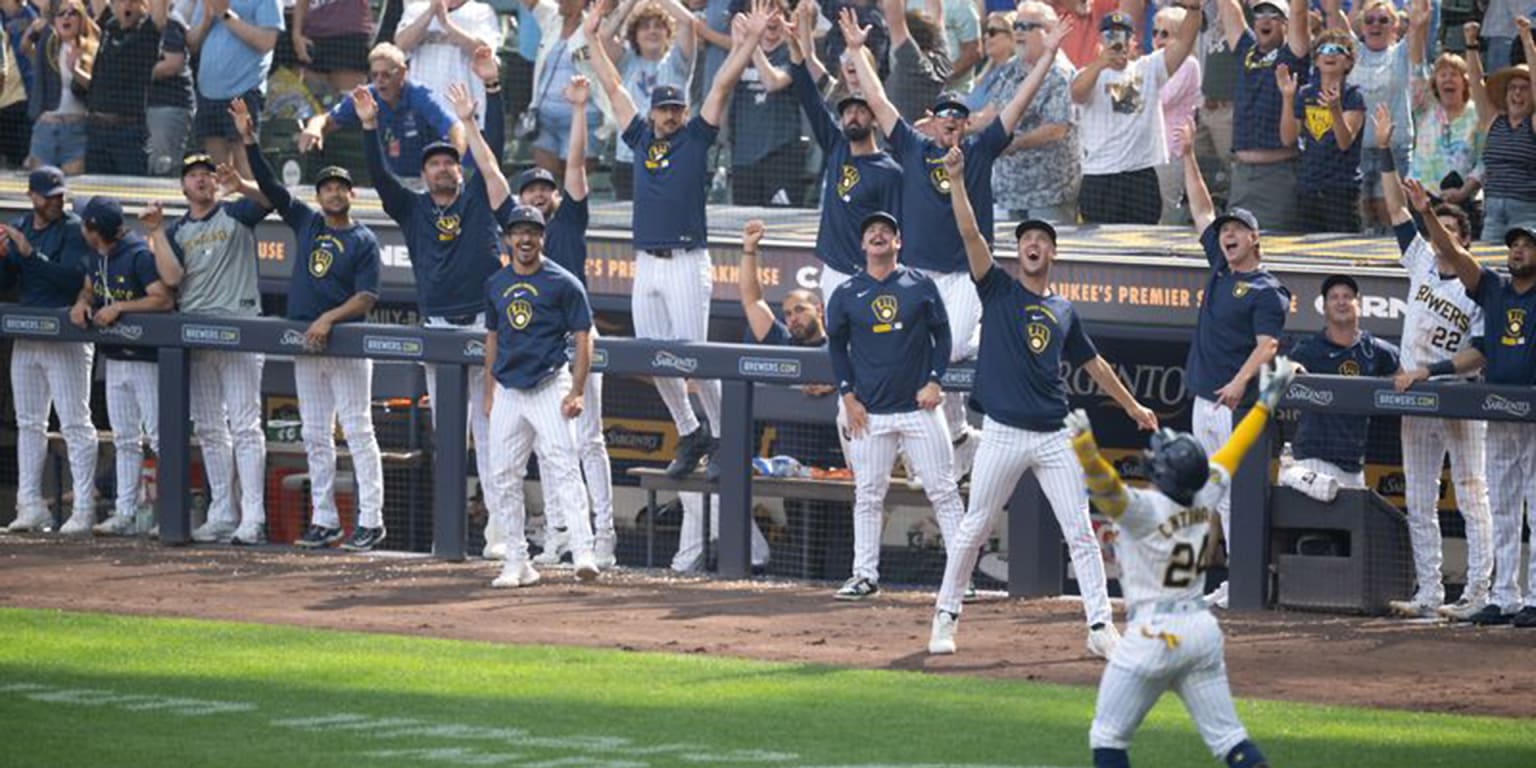
MILWAUKEE didn’t suddenly become flashy. That’s the point. The Brewers spent another season looking like the same tight, cost-conscious machine that has kept this franchise relevant for years, and somehow that steady drift has turned into something louder: legitimate expectation. They moved an All-Star arm in Freddy Peralta’s orbit to keep the pipeline moving, they stayed disciplined in the market, and they kept winning enough that the old “cute overachiever” label stopped fitting.
That shift matters. In October, reputation is currency. A team that used to sneak up on people now walks into a room with a target on its back and a real chance to do damage. Milwaukee has been playing the long game for so long that people forgot what happens when the roster, the farm, and the timing all line up at once.
The Brewers stopped being the bargain-bin story
For years, the conversation around Milwaukee was built on friction: low payroll, smart development, aggressive pitching usage, and a front office trying to win without ever looking like it was trying to buy its way into the room. That model can work. The Brewers have proven that. But it also creates a ceiling if the talent pipeline doesn’t keep feeding the top of the roster.
This season felt different because the usual survival narrative got replaced by something sturdier. They didn’t just patch holes. They kept the machine humming. Trading away a proven piece like Freddy Peralta-type value for prospect capital is classic Milwaukee behavior — and, frankly, part of why the organization has stayed healthy while bigger-spending clubs have burned through windows.
The trick is that this time the cost-control move didn’t signal retreat. It signaled confidence. Teams only keep doing that when they believe the next wave can actually hold the line.
A roster built to survive the long season
The Brewers have leaned into what modern clubs have to do: shorten expensive mistakes, trust internal depth, and keep enough versatility around to weather the inevitable injuries and slumps. That’s not glamorous. It’s also how you stay alive through 162.
What separates Milwaukee now is that the floor looks higher than it used to. Even without the old headline names carrying the whole thing, the club has shown enough stability to suggest this isn’t a fluke run powered by smoke and good sequencing. The roster no longer feels like it needs every break to go right. That changes the pressure on the front office, too. You can be selective at the deadline. You can hold prospects a little longer. You can act like a contender instead of a team praying to become one.
And that’s where the market context gets sharp. In a division where several clubs have tried to out-muscle problems with payroll, Milwaukee has kept winning by out-thinking them. That doesn’t always show up in the loudest ways, but it shows up in standings, in leverage, and in October where bullpen depth and run prevention matter more than your summer brand campaign.
Milwaukee doesn’t need to be loud to be dangerous. It just needs to be healthy, coherent, and ready in October.
Why the “underdog” label is gone for good
Here’s the part people around the league are catching up to: underdog status is useful until it isn’t. Once a team strings together enough smart seasons, the surprise evaporates. Opponents stop dismissing it. Scouts stop treating it like a one-off. Betting markets and projection systems start adjusting. That’s the tax for competence.
This is where the Brewers have crossed a line. They are no longer the club people talk about in terms of “nice story” or “good process.” They’re the team other front offices have to model against. And for a franchise that’s had to live inside its means, that’s a real accomplishment.
I’ve seen this arc before with well-run clubs that get underestimated for one reason: the league gets too comfortable attaching “small-market” as if it means “temporary.” It doesn’t. It means disciplined. It means the organization has to be sharper than everyone else because it can’t just outbid problems. When that discipline is paired with player development and enough top-end talent to punch in the postseason, the whole conversation changes fast.
What the next move has to look like
This is where the front office has to resist the urge to get cute. The Brewers don’t need a vanity add. They need the right add. If they’re going to convert this season into something more than a nice run, it has to be a move that respects the current roster construction instead of blowing it up for a headline.
And yes, that means the trade market will be watching Milwaukee as much as Milwaukee watches the market. A team in this spot can be tempted to chase perceived certainty, especially once everyone starts saying this is the year. But the wrong move can wreck the whole thing. The best organizations know the difference between urgency and panic.
The best comp here is not the flashy big-market contender. It’s the patient team that realizes its chance is real because the core is old enough to know better and young enough to run.
I’m not calling Milwaukee a miracle team. I’m calling them a grown-up one. That’s a bigger compliment. The Brewers have spent years building a structure that can absorb the loss of an All-Star, survive the projections, and still look like a threat in August. That’s not luck. That’s operational muscle.
And once a club gets there, the window isn’t theoretical anymore. It’s open.
October is the real test now
The easy part was being overlooked. The hard part is being taken seriously and playing like it. Milwaukee has moved from spoiler to standard-bearer for this kind of roster-building, and now the question is whether the payoff matches the process.
If it does, this won’t be remembered as the year they surprised people. It’ll be remembered as the year everyone else finally caught up.
More from Straight From The Bench
Comments
Join the conversation — sign in to leave a comment.
Sign in to commentRelated Stories

Padres vs Cubs: San Diego ends Chicago’s 2026 season
San Diego had the cleaner roster, the louder crowd and the sharper plan. Chicago had a hot start to the year — and then too many empty innings when it mattered most.

Red Sox Internal Strife: Veterans Blast Heavy Analytics Reliance
After another October exit, Boston’s veteran core didn’t hide its frustration with the organization’s direction. The Red Sox now face a more consequential reckoning than any single loss.
Phillies vs Braves Game 3: NL Wild Card Series pressure cooker
The Phillies and Braves have turned October into a fistfight. Game 3 at Truist Park now decides who keeps breathing and who goes home early.