
MLB farm systems: the 10 best catching prospects
The position nobody glamorizes is suddenly where the upside lives.
 Zane Miller6 min read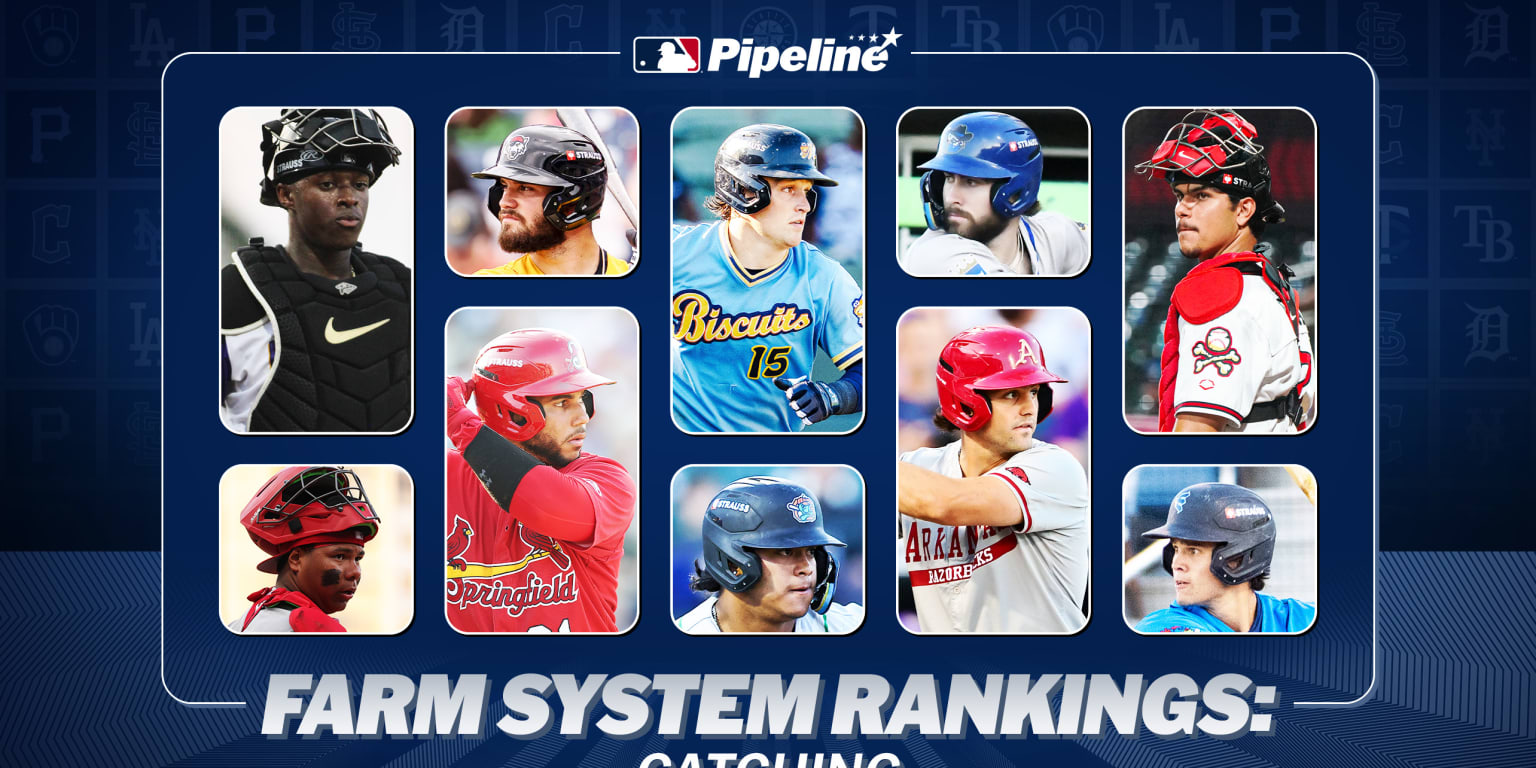
The catching pipeline is where front offices get serious. Everybody loves the loud tools — the 70-grade fastball, the launch-angle slugger, the shortstop with runway — but the smart money knows the backstop can change a franchise faster than people realize. You don’t need 10 catchers who can mash to know this market is getting richer behind the plate. You need a few who can receive, throw, manage a staff, and survive the daily grind long enough to matter.
That’s why a ranking of the top catching systems carries more weight than the average prospect list. It’s not just about who has the biggest ceiling. It’s about which organizations have actually collected the toughest position in the sport and turned it into an asset. And in an era where run prevention, platoon edges, and pitcher development all live and die on details, catching depth is no longer a luxury. It’s leverage.
Why the catching pool matters more now
The modern catcher has to do everything and sell it like it’s effortless. Frame the low strike. Control the running game. Get a starter through the sixth. Then, maybe, provide enough offense to keep opposing teams from treating the lineup like a free inning.
That’s a tall ask, and it’s exactly why good catching prospects are so valuable. A club that develops even one impact catcher gets years of roster stability, cost control, and a staff leader who can shape games before the box score notices. A club with two? That’s a luxury most teams never touch.
This is also a position that tends to age in strange ways. The bat can lag. The defense can show up first. The body can take a beating. So when a farm system has multiple catchers with real traits — not just “organization guys” in shin guards — that’s usually a sign the player dev group did something right. It means the pipeline has shape, not just names.
The teams stockpiling value behind the plate
A good catcher system usually comes from one of two places: aggressive drafting, or a development group that keeps finding athletes willing to learn the hardest job on the field. Sometimes it’s both. The teams that come out of these rankings near the top tend to be the ones that don’t panic when a young catcher looks rough at the plate. They know the defensive baseline travels.
If you’re looking for the broader takeaway, it’s this: clubs are getting better at treating catching as a multidimensional investment. The best systems don’t just have a slugger who can fake it at the position. They have profiles that can split up the future — one defender, one bat-first backstop, maybe one sleeper with enough arm strength and athleticism to climb fast.
That matters for roster construction because catcher is still one of the few spots where the market gets thin fast. Once a club is forced to shop externally, it usually means overpaying for mediocrity or patching the position with short-term bodies. Teams that develop from within avoid that mess.
And if you want the baseball version of a quiet edge, this is it. Teams with catching depth can protect themselves against injury, trade from strength, and move quicker when a major league opening appears. That’s the kind of flexibility contenders keep in their back pocket.
What separates a real prospect from a nice tool set
There’s a reason so many catching prospects get talked up and then stall. The bar is brutal. Raw arm strength is nice. Pop times are nice. So is a pretty swing in batting practice. None of that matters much if the pitcher doesn’t trust you, the ball gets lost in the dirt, or the receiving work is a nightly project.
The difference between a top-10 catching prospect and a bullpen catcher with a scouting report is usually one thing: functional certainty. Front offices want to know the player can actually stay behind the plate while the bat develops. That’s the whole game.
The best catching prospects don’t just project a future role. They reduce the number of moving parts a club has to solve later.
That’s why these rankings always reveal more than the raw names. They tell you which clubs have built a pipeline with discipline. They also tell you which organizations are betting on durability, because catchers who can handle 100-plus games of responsibility are the ones who change depth charts.
For a little context, this is the same kind of market thinking that has driven teams to hoard premium defensive talent elsewhere too. You can see the same logic in how clubs treat elite shortstops, center fielders, and plus defenders up the middle. The best front offices are not chasing highlights. They’re buying outs, innings, and optionality. The catcher is right in the middle of that.
The roster ripple effect is the real story
Here’s where these lists get practical. A strong catching system changes how a franchise spends. It changes how cautious a club can be with its big-league depth. It changes trade behavior near the deadline.
If a team knows a catcher is coming, it can avoid locking itself into a stopgap. If it has multiple prospects, it can move one for help elsewhere. And if the pipeline is really deep, it can even reshape the staff around those backstops, pairing young pitchers with a young catcher who grew with them.
I’m always skeptical of the old “best prospect list” addiction when it gets too loud, but catching is one spot where I’ll lean in. The position is too hard to fake. You can find a bat later. You can sometimes patch defense. You can’t easily manufacture a catcher who controls a game and gives you enough offense to matter. That’s why organizations that consistently produce catching talent end up with cleaner 26-man roster builds than the teams constantly shopping for emergency help.
I’ve covered enough roster churn to know this: the clubs that win the margin war usually have one or two positions where they never have to chase the market. Catching can be one of those spots. It’s ugly work. It’s expensive to buy. And when you develop it yourself, it’s pure gold.
What to watch next in the catching pipeline race
The next layer is simple. Which of these farm systems turns prospect volume into big-league certainty? Which one gets the first player to stick? Which one lets a catcher’s defense carry him long enough for the bat to catch up?
That’s the real test. Rankings are the receipt. The majors are the audit.
A strong catching system doesn’t just hint at one future starter. It hints at a club that understands how to build a roster from the middle outward. And in baseball, that usually travels better than buzz.
The teams with the best catching depth just bought themselves time. Time to develop. Time to decide. Time to win the next roster argument before it starts.
More from Straight From The Bench
Comments
Join the conversation — sign in to leave a comment.
Sign in to commentRelated Stories
Yankees Sign Michael Fulmer: Bullpen Depth, Old Names, New Pressure
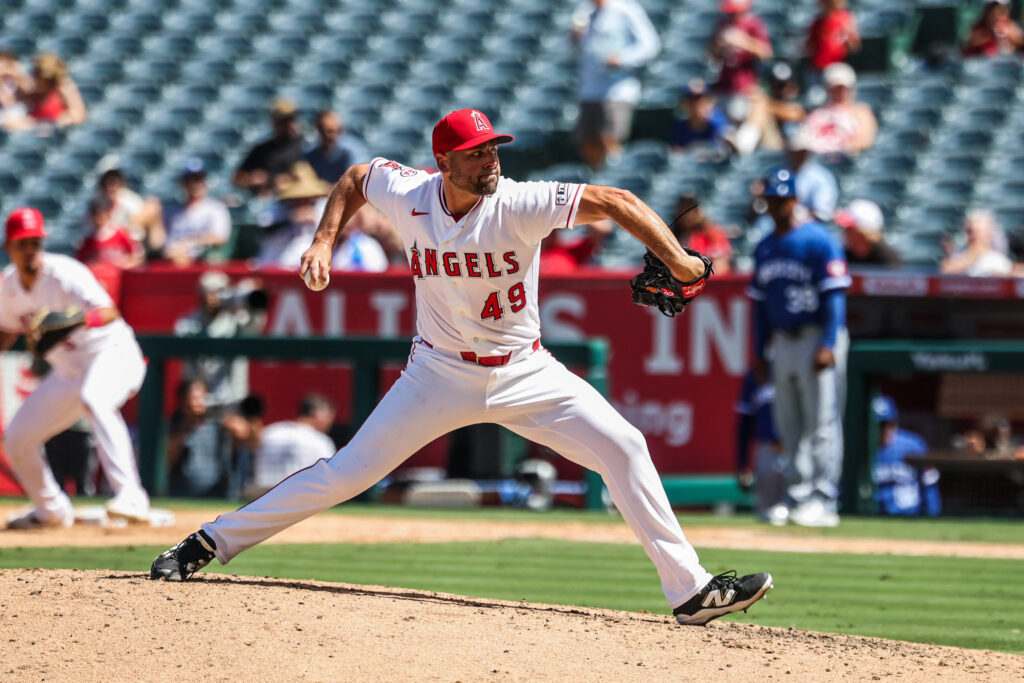
New York has added Michael Fulmer on a major league deal, another bet on experience and survival. The move says as much about the Yankees’ pitching health as it does about their patience.
Cubs vs Diamondbacks: lineups, broadcast info, and game thread
Chicago gets back to work against Arizona with the lineup and TV details set. The real question is whether the Cubs bring anything resembling urgency.

Diamondbacks vs Cubs: Late Collapse Stings Chicago in 5-4 Loss
Chicago had this one where it wanted it. Then the ninth inning turned into a familiar nightmare, and Arizona walked out with a 5-4 win.