
MLB trade deadline: 10 biggest 2026 market names and landing spots
The next deadline could swing from sleepy to savage real fast.
 Leo Lupo6 min read
The 2026 trade deadline is still a ways off, but the bloodhound scent is already in the air. You can smell it in the standings, in the scowl of every general manager sitting one game out, and in the way half the league is pretending it’s building for October while the other half is praying nobody notices the rotting beams. If the wild-card races stay jammed in both leagues, this thing could turn into a proper feeding frenzy. If not, it could get stale in a hurry. Baseball, being baseball, rarely chooses the sensible middle.
The part worth watching is the ripple effect. One move doesn’t stay one move. A contender that lands a front-line arm drags three more clubs into the bargain bin. A seller who finally waves the white flag can set off a chain reaction that changes the asking price for every bat, every bullpen arm, every rental with a pulse. That’s how deadlines get weird. That’s how they get expensive. And that’s how teams convince themselves that this year, yes this year, the answer is a 32-year-old hitter with a bruised hamstring and a good April.
The market starts with the clubs stuck in the middle
The teams that matter most here aren’t the obvious wrecks. Nobody needs a lecture on the clubs already buried by June. The danger zone is the mushy middle, the teams that can still squint at the standings and talk themselves into being alive. Those are the clubs that create the chaos.
If the race stays tight, those teams won’t sell early. They’ll hang around, wait for health, and hope July gives them a reason to buy instead of a reason to tear it all down. That’s the same logic that keeps a gambler at the table one hand too long. Sometimes it works. Often it leaves you with a bag of mid-tier prospects and a clubhouse full of “what if.”
That’s why this deadline leans on psychology as much as talent. A front office that believes it’s two weeks from a surge will behave differently than one that finally reads the room and starts shopping pieces. The entire board shifts once the first honest seller steps forward.
The names that drive everybody else’s price
The way these things work, the first big domino matters more than the last. If a team with real leverage puts a premium starter or middle-of-the-order bat on the market, every other club suddenly remembers how to ask for extra. That’s not speculation. That’s baseball commerce.
The obvious comparison is how a single move can jam up the queue for everyone else. If a contender lands its target early, the club that misses out scrambles. And the seller with the next-best name can suddenly charge a toll. It’s why deadlines so often look calmer on paper than they are in the room. One deal can make the next five harder.
The deadline isn’t won by the boldest speech in the press room. It’s won by the club that knows when to cash in and when to keep its powder dry.
Some teams will stare at a crowded market and decide patience is cheaper. Others will see the same crowd and think scarcity is a license to spend. That’s where the biggest names on the board get dangerous. Not because they’re flawless. Because there are never enough of them.
Why the 2026 market could be a mess in all the right ways
A busy deadline needs two things: contenders with urgency and sellers with nerve. You can get one without the other and still end up with a dull afternoon. The 2026 setup hints at both, which is why the whole thing has a chance to breathe fire.
The wild-card traffic jam matters. When too many teams are alive, too many teams delay the hard decision. That means more clubs hanging around, more rumor churn, and more deadline drama as general managers try to decide whether they’re buying a playoff push or buying a headache. The line between those two is thinner than people like to admit.
This is also where the arms race on the margins begins. A contender that wants one more starter may settle for a reliever. Another club that misses on a bat may overpay for defense. Suddenly you’re not just tracking the headliners, you’re tracking the second wave, then the third. That’s how the deadline expands past the marquee names and into the weeds, where the smarter teams usually make their living.
If you want the cleanest read on the 2026 market, keep an eye on whether early sellers show any spine. Once one club opens the door, the rest don’t get to pretend forever.
My read: the brave clubs will separate from the careful ones
I’ve watched enough deadlines to know the difference between a team that believes in itself and one that’s just afraid of the phone calls. The brave club isn’t always right. Sometimes it winds up overpaying for a short October and a long winter. But the timid club? That one usually tells itself a nice story about depth, flexibility, and internal improvement right up until the season slips away and the farm system doesn’t save it.
This is where the old-school part of me still grumbles a bit. Front offices love optionality the way some guys love cufflinks. It sounds sharp. It photographs well. But baseball still rewards the clubs willing to make a hard call when the path is open. If the 2026 deadline gets as crowded as it looks now, the teams that hesitate may discover that “being involved” is not the same thing as improving.
And the clubs with true leverage? They’d better use it. There’s nothing noble about hoarding a name until the market cools and the return drops. That’s how you end up explaining to the fan base that the plan was always long-term while the standings kept a different ledger.
Watch the first seller. The rest will follow
The whole market is waiting on somebody to flinch. Once that happens, the chain reaction should be obvious. The contenders that waited too long will start dialing. The sellers that thought they had time will start reading offers with a little more seriousness. And the names nobody expected to move can suddenly be right in the middle of it.
That’s the part baseball never quite outruns. Deadline season is half roster building, half poker table, and half self-delusion. Yes, that’s three halves. That’s because front offices keep insisting they can add them up better than the rest of us.
If 2026 gets messy, it’ll be because too many clubs stayed alive too long. If it gets wild, it’ll be because one team finally pulled the pin and everybody else had to react. That’s the game now. And it should be fun to watch them sweat.
More from Straight From The Bench
Comments
Join the conversation — sign in to leave a comment.
Sign in to commentRelated Stories
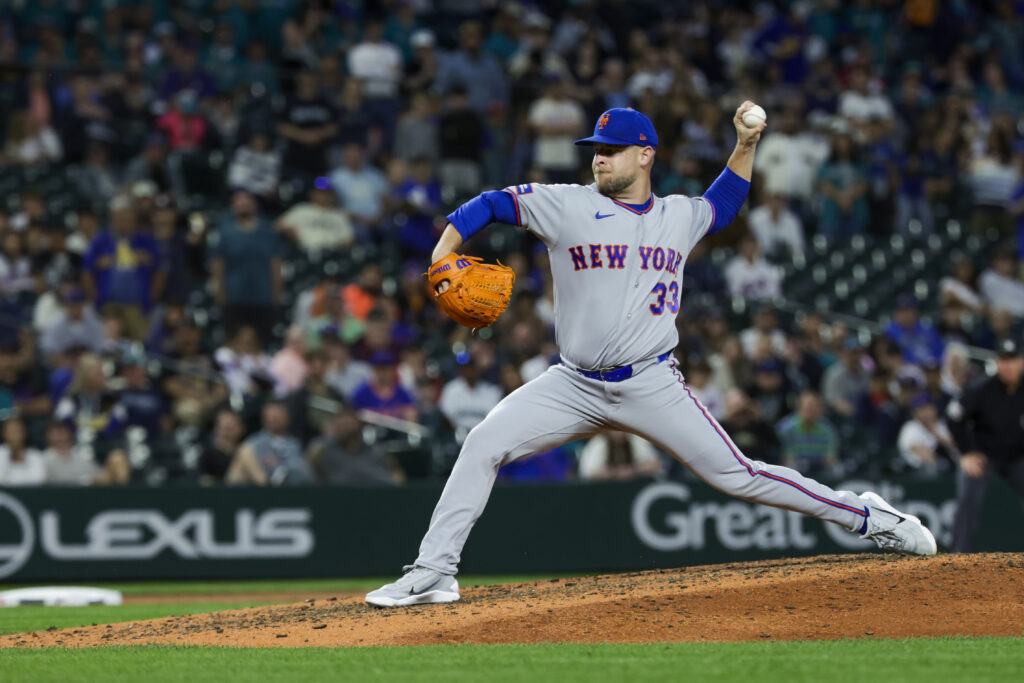
Twins Acquire A.J. Minter: Bullpen Buy For Minnesota
Minnesota finally attacks the bullpen market, landing a proven lefty arm in A.J. Minter. It’s a small trade with a big clue about how the Twins see the race.
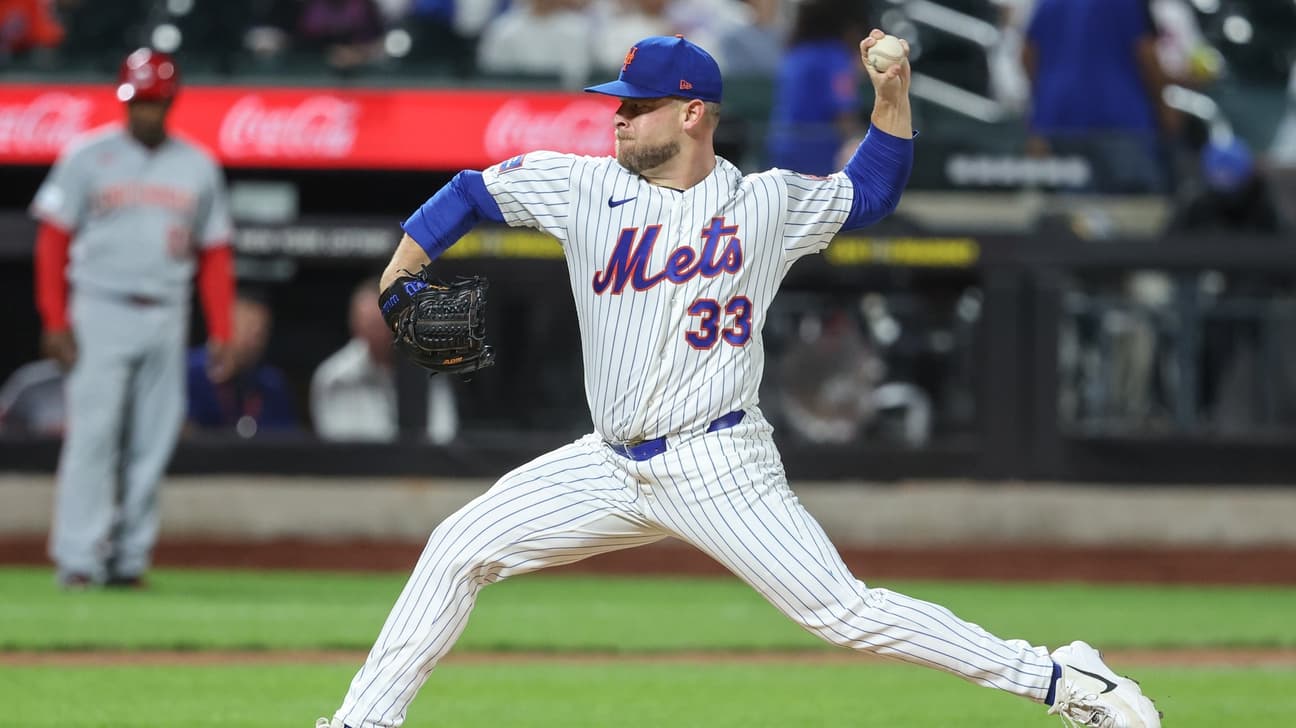
A.J. Minter Trade: Mets Ship Lefty to Twins for Prospects
The Mets moved A.J. Minter to Minnesota for prospects, a clean little signal that the deadline fire drill is underway. One lefty leaves, and the whole market starts twitching.
Twins Acquire A.J. Minter: Minnesota buys a lefty edge
Minnesota didn’t wait around after a big win. The Twins went and bought themselves a real left-handed weapon for the stretch run.