
MLB Trade Deadline Prospects: Who could move by Monday
The kids are the currency now, and contenders are shopping like it.
 Zane Miller6 min read
The deadline is a furnace now. Monday at 6 p.m. ET is the line in the sand, and every contender with a hole in the bullpen, rotation or middle of the order is staring at the same currency: prospects. Not payroll flexibility. Not a clever waiver claim. Kids with six years of control, loud tools and enough helium to make fan bases flinch.
That’s the deal every July. The market wants certainty, but the only true certainty is that a few good young players are going to get moved. Since the pandemic, an average of four Top 100 prospects have changed addresses each deadline month. That’s not a trivia nugget. That’s the operating system. The MLB deadline has become a talent transfer event, and the teams that understand that early usually come out ahead.
The prospect market is tighter than it looks
There’s always a temptation to treat every deadline as a buyer’s market for stars. It isn’t. The stars are expensive, and the teams selling them know it. What actually moves first is the tier underneath: the prospect who is good enough to headline a package, but not so irreplaceable that a front office can’t live with the loss.
That’s why this week is built around names fans know, but execs value differently. Some organizations will move a Top 100 arm because their big-league window is now. Others will hold tight because they’ve spent years building a pipeline and don’t want to turn a contender into a one-shot rental machine.
The pressure hits hardest on the clubs sitting in that uncomfortable middle. Good enough to chase. Not deep enough to trade carelessly. Those are the teams that end up in the most aggressive bidding, because they’re balancing present baseball and future payroll in real time.
And yes, the market has changed. Prospect lists matter more than ever because clubs are using them as a clean, tradable language. A player with loud tools in Double-A can be the difference between landing an impact arm and settling for the sixth reliever on the market.
Why Top 100 names are suddenly in play
This is where the deadline gets ruthless. If you’re trying to buy a starter, the price is always attached to one of two things: proximity or upside. If the player is close to the majors, the selling club can sell the deal to itself as help now. If the player is farther away, the buyer is paying for ceiling.
That’s why so many of the names in circulation this week are prospects who are good enough to be painful, but not so established that they’ve become untouchable. Front offices can talk themselves into it because deadline math is brutal. One October run can justify a lot. A shaky rotation, a thin bullpen, a lineup missing one bat — those problems force decisions fast.
If you want a clean read on how serious a team is, watch the level of prospect it’s willing to move. Clubs that are only dangling lottery tickets aren’t really pushing. Clubs that are willing to part with a real upper-tier kid are sending a message to the room and the rest of the league.
That’s why stories like Tarik Skubal Trade: MLB deadline buzz and Tigers' real choice matter even when the player in question is obviously a big-league arm and not a prospect. The deadline ecosystem is the same: every acquisition cost has a prospect attached to it somewhere in the chain.
If a contender gets scared of parting with talent now, it usually means they were never all-in to begin with.
The clubs with the hardest choices are the most dangerous
The teams that are actually dangerous this time of year are the ones with divergent timelines. They’ve got enough big-league talent to justify buying, but enough prospect depth to make a real trade without emptying the cabinet. That’s where the best deadline work happens. Not splashy. Efficient.
This is also where bad process gets exposed. A franchise can spend two years talking about its player development machine, then flip the switch in late July and treat the system like a parts depot. That doesn’t work forever. Eventually the pipeline dries up, the roster gets old, and the bill comes due.
For clubs that have already spent prospect capital, the calculus gets even sharper. A front office that has moved premium young talent before has to be sure it’s buying the right piece now. There’s no applause for finishing second in the bidding war.
The best deadline deals usually come from teams that have a clear identity. They know whether they’re buying innings, power, defense or late-game leverage. The worse deals come from the clubs chasing every shiny object because the standings made them nervous.
One move can reset a farm system fast
This is the part fans underestimate. A prospect trade doesn’t just affect the player moved. It changes the depth chart two years out, the 40-man crunch, the winter trade leverage, the draft strategy. One deadline deal can push a front office into a different kind of roster building for the next 18 months.
The flipside is why sellers have leverage. They know contenders are thinking beyond October, and they know the buyer would rather part with a good prospect than pay free-agent prices in the winter. That keeps the deadline market alive even when the pool of obvious stars is thin.
I’ll say this plainly: the teams that win the deadline usually don’t care about the social-media grade in the moment. They care about fit, control and whether the prospect they move has a path to becoming a regular or a star. That’s the real evaluation line. Not whether a name pops on a ranking graphic.
The industry still loves the illusion that every top prospect is too precious to move. It isn’t true. The right kid moves every July. The smart clubs know exactly which one hurts enough to matter and not enough to freeze the deal.
What to watch before Monday at 6 p.m.
Expect the action to ramp as the clock tightens. Deals rarely drip out in a neat order. They stack. One move clears the market. Another team blinks. Suddenly the prospects start traveling in packs.
Keep an eye on clubs that have been linked to pitching, because pitching needs are what drive the best prospect returns. Also watch teams with blocked infielders or outfielders in the upper minors. Those are the pieces that get used when a contender wants a controllable big leaguer without surrendering its crown jewel.
If you’re looking for the broader context, the deadline isn’t just about who gets better this month. It’s a snapshot of which organizations trust their development pipeline and which ones are willing to cash it in for a shot. That tension is what makes July loud.
The next 72 hours will tell us who’s buying a pennant chase and who’s buying time. The prospects are the bill. The question is who’s ready to pay it.
More from Straight From The Bench
Comments
Join the conversation — sign in to leave a comment.
Sign in to commentRelated Stories
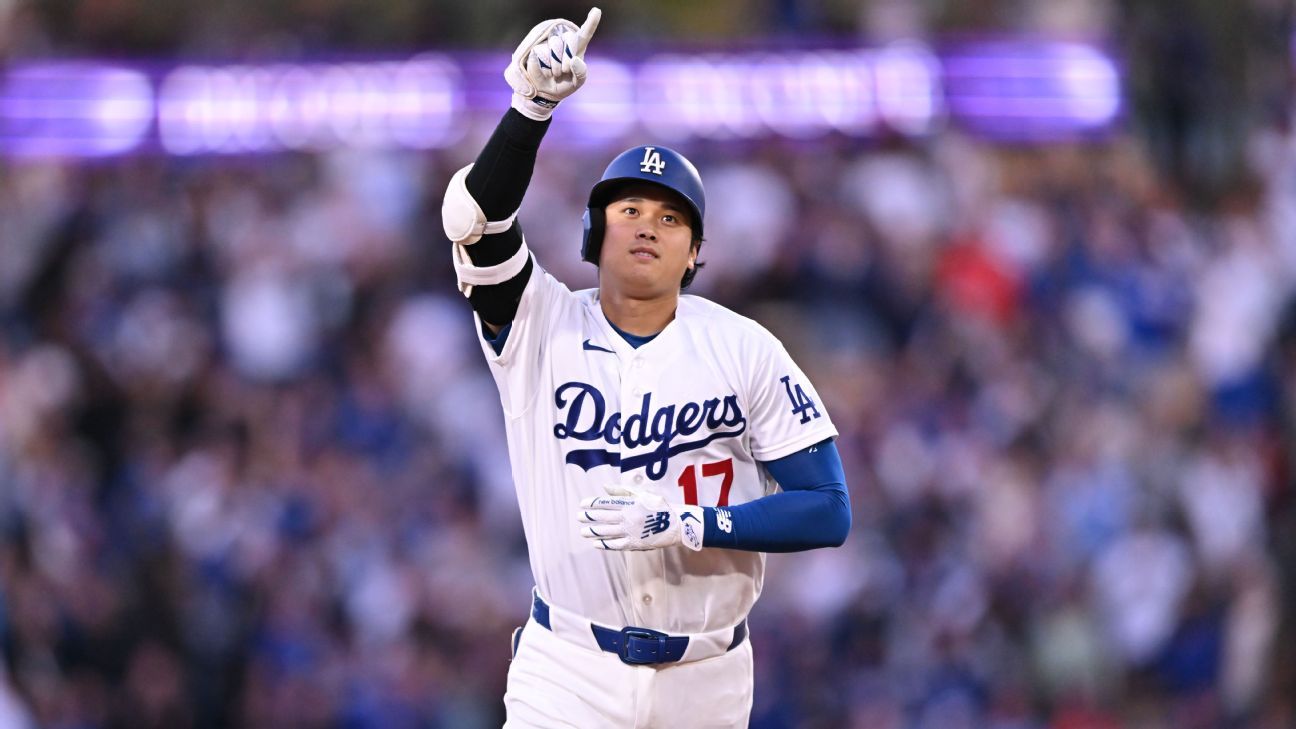
Shohei Ohtani 1-of-1 Card Sale: Florida Collector Nets $10M+
A Florida collector pulled a rare Shohei Ohtani 1-of-1 Dual Gold Logoman auto card and sold it for more than $10 million. That’s not a card; that’s a market verdict.

Max Clark Call-Up: Tigers summon MLB’s No. 13 prospect
After a patient summer and a hot July at Toledo, Max Clark is headed to Detroit. The Tigers are betting that the next wave should arrive now, not later.
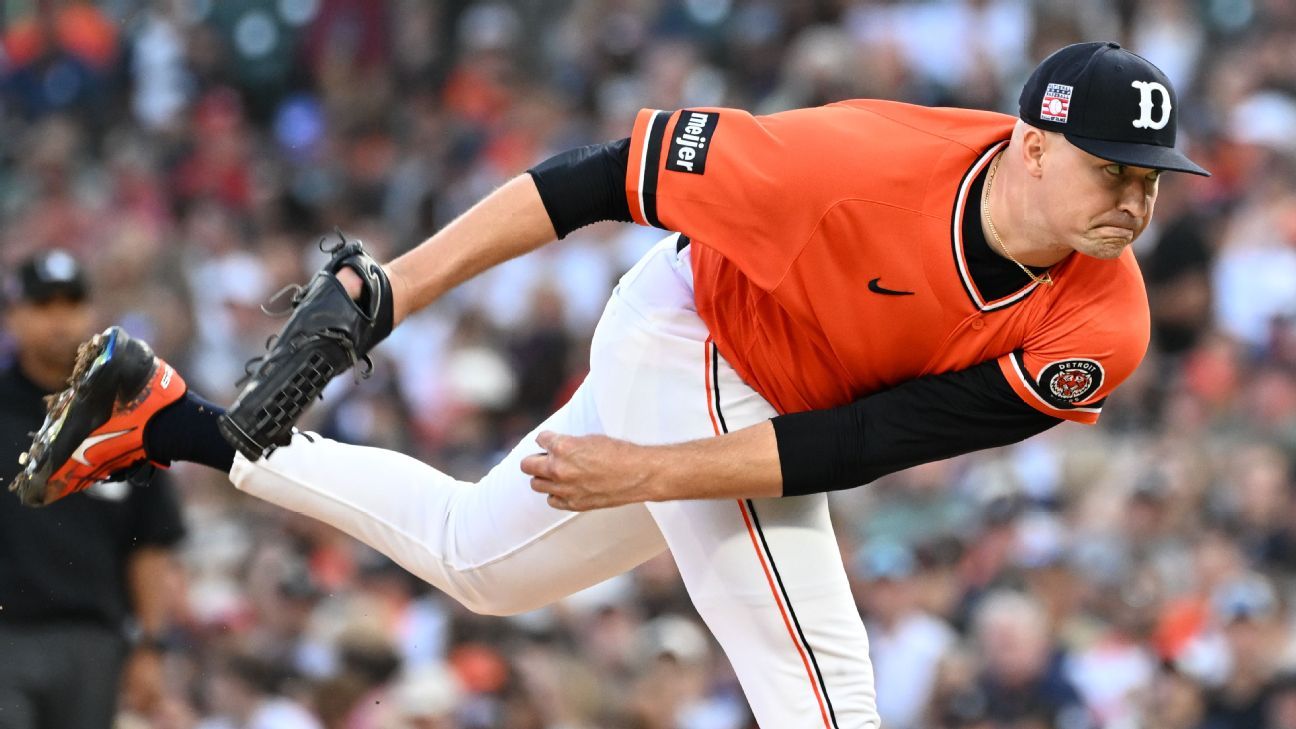
Tarik Skubal Trade: MLB deadline buzz and Tigers' real choice
The Skubal chatter is loud because it matters. Detroit can chase the future, the present, or both — but it won’t get to keep everybody happy.