
Naomi Osaka didn’t just beat Aryna Sabalenka — she looked like she belonged here all over again
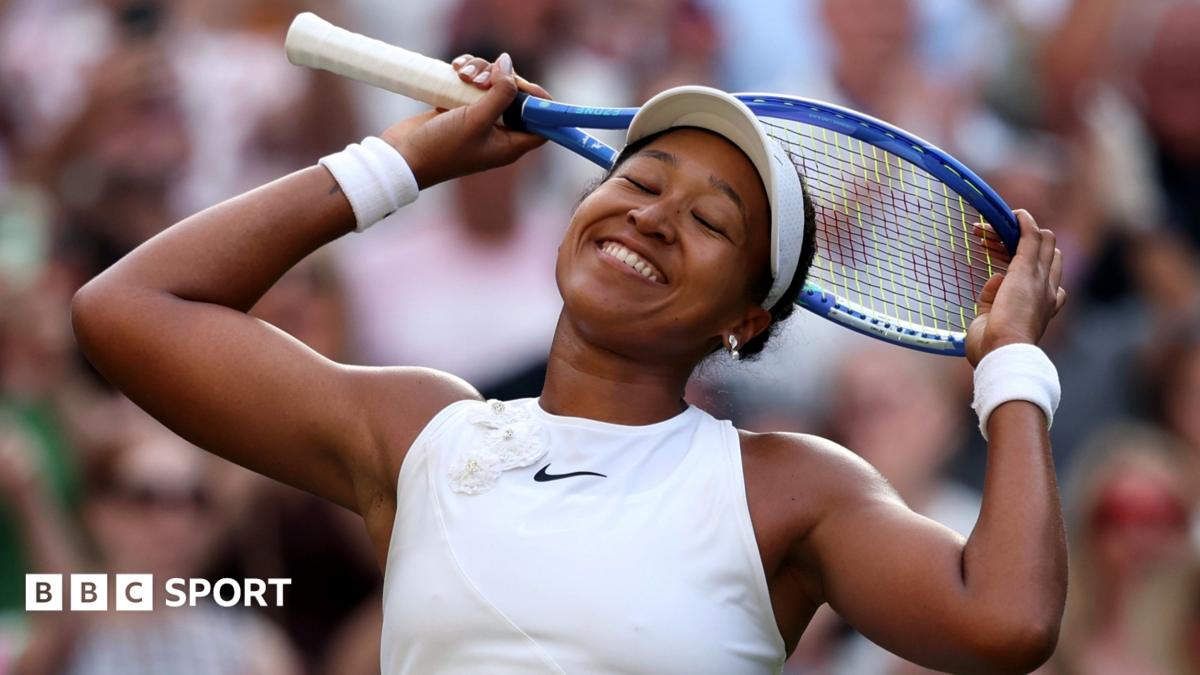
Naomi Osaka didn’t sneak past the world No. 1; she took the match apart piece by piece and left Aryna Sabalenka chasing shadows on Centre Court. For a player whose recent career has been defined as much by pauses and resets as by trophies, this was the kind of performance that changes the conversation in a hurry. Not just because she won. Because she controlled the terms.
The straight-line power was there, sure. Osaka has never needed much help from a scoreboard to look imposing. But this was more than the familiar thunder off her racket. She served with purpose, returned with conviction and, most tellingly, played with the calm of someone who had no interest in letting the moment speed her up. That matters at Wimbledon, where grass rewards certainty and punishes hesitation in the same breath.
Osaka found the cleanest version of her game on grass
Grass has always asked different questions of Osaka than the hard courts where she built her reputation. The bounce is lower, the timing tighter, the margins thinner. You can’t drift through a grass-court match and expect the surface to forgive you. Osaka understood that here. She didn’t overplay. She didn’t chase winner after winner out of frustration. She hit first, hit heavy and kept Sabalenka from settling into her preferred rhythm.
That is the real story. Sabalenka is built to bully opponents when she gets her feet set and starts leaning on the ball. Osaka denied her that comfort. She absorbed pace, redirected it, and made the top seed look a touch rushed — which is about as close to herding a lion as tennis gets.
This was also a reminder that Osaka’s ceiling is still absurdly high when the rest of her game is aligned. The serve is the engine. The forehand is the hammer. But the gap between “dangerous” and “title threat” has always been the decision-making between points. Against Sabalenka, Osaka looked like she had the right answers before the questions were fully asked.
Beating the world No. 1 changes the temperature around Osaka
Rankings matter, even in a sport that pretends they don’t until a draw sheet is posted. Beating the player at the top of the WTA Tour is not just a tidy line for a resume. It tells the rest of the field something they’d rather not hear: Osaka is still capable of taking control of the biggest matches at the biggest events.
That message lands differently now than it would have five years ago. Osaka is no longer the ever-rising force of the next wave; she’s the seasoned name trying to reclaim her place among the elite while managing the wear and tear that comes with a nonlinear career. That makes this win richer, not smaller. It says she can still climb back into the deep end, even after time away, even after the sport has spent stretches trying to move on without her.
This wasn’t a nostalgia act. It was a warning shot.
And Sabalenka’s side of it matters too. World No. 1 comes with a target on your back, and on grass the target can shrink to a postage stamp if your timing is off by half a beat. She had to see Osaka striking early, taking time away and refusing to hand over free looks. That is the kind of loss that lingers because it exposes a tactical problem, not just a bad day.
Why this quarter-final run means more than one upset
Getting to the quarter-finals at Wimbledon for the first time is a clean milestone, but milestones can be deceiving if you treat them like the whole story. For Osaka, this feels like evidence of traction. A player does not usually beat the best player in the world on grass by accident. Not with this level of control. Not with this sort of authority.
It also shakes up the rest of the draw. The comfortable assumptions about who can handle the second week suddenly get fuzzier. Players who might have preferred a Sabalenka-led bracket now have to contend with Osaka carrying confidence and a surface that suits bold first-strike tennis. That is a different problem.
For tennis fans, this is the fun part. The sport is always better when one of its most recognizable champions looks dangerous again. Naomi Osaka has the kind of profile that drags casual eyes toward a match, but she needs performances like this to pull the serious ones back in. This was the sort of win that does both.
What to watch next as Osaka tries to keep the momentum
The next match will tell us whether this was a peak day or the start of a real run. The key question is simple: can Osaka keep the same discipline when the adrenaline from beating No. 1 wears off? That’s usually where resurgences get exposed. The body gets tired, the draw gets tighter, and the clean lines from an upset begin to blur.
Watch the serve. Watch the return position. Watch whether she keeps taking the ball early instead of letting rallies stretch into something messier. If Osaka brings this same clarity into the quarter-finals, she won’t just be a feel-good storyline. She’ll be one of the players nobody wants to see across the net.
The draw is still open enough to reward courage, and Osaka just showed plenty of it. One match can’t restore a career. This one, though, sure looked like a turn.
Comments
Join the conversation — sign in to leave a comment.
Sign in to commentRelated Stories
Fog, patience and a clean sheet: Cardinals win the old-school way at Wrigley
A fog delay turned Saturday at Wrigley into a weird, grueling test — and the Cardinals handled it better than the Cubs did.
Hamilton’s Silverstone Fight Feels Bigger Than Fourth Place
Silverstone is giving Lewis Hamilton one more messy, emotional chapter. The battle with George Russell says as much about the race as the result does.

LeBron in Akron, Cavs in the Frame, and a Familiar Cleveland Whisper Grows Louder
A sighting in Akron won’t sign the paper, but it sure keeps the Cleveland rumor mill humming. LeBron James has a way of making every small move feel enormous.