
NBA Rookie Rankings: Post-Summer League Standouts Rising Fast
The draft class has already begun separating itself, and the league is watching closely.
 Beatrice Kensington7 min read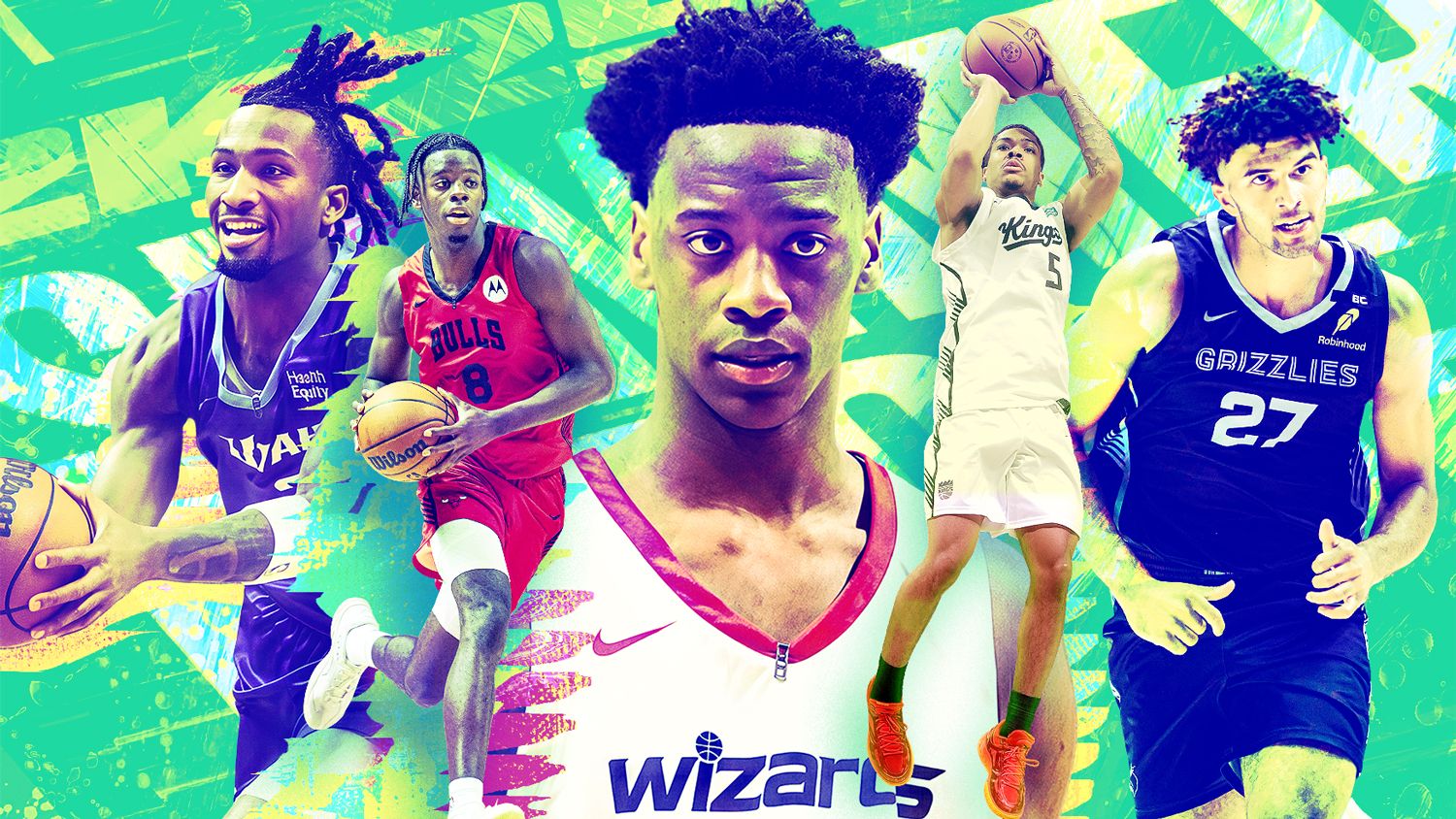
Summer League did what it always does: it drew a line
Las Vegas, with its glare and its noise, has a way of stripping the varnish off a prospect. Possessions get crowded, mistakes get counted twice, and every draft night promise is forced to live in real time. That is where this rookie class began to sort itself, at least provisionally, with a few newcomers looking less like summer curiosities and more like players who might matter by February.
There is always a temptation to declare a hierarchy too early. The league encourages it, of course. Rankings sell, and every summer the basketball public behaves as though a week of desert ball can predict a decade. But even if the order is unstable, the signal is not imaginary. A player can reveal his NBA heartbeat in summer league the way a city reveals its skeleton in winter — all the visible parts are still there, just less decorated.
The rookies who made noise — and why it matters
The most useful thing about a rookie ranking is not the number attached to a name. It is the shape of the evidence. Who handled contact without losing his dribble? Who kept defending after a missed shot? Who looked comfortable being the same player in the third quarter that he was in the first? Those are the habits that carry forward when the arenas get louder and the scouting reports stop being polite.
This year’s class has already offered a few encouraging answers. Some high picks have looked as advertised: poised, physical, and unbothered by the temporary chaos around them. Others have done the more interesting work of looking useful in a way that doesn’t always announce itself on a scoreboard. The kind of rookie who rebounds outside his area, or rotates early, or moves the ball before the defense can set its teeth. NBA coaches notice those things. So do veterans, even if they pretend not to.
A summer ranking, then, becomes less about crowns than categories. The top tier is usually reserved for players who can create offense or defend their own position without apology. The next tier is where the league’s future role players often begin their climb, the ones who may never trend on social media but will quietly earn a second contract. For front offices, that distinction is no small thing. The salary cap has a cruel memory; inexpensive competence is gold.
The draft class also looks different depending on where it landed. A rookie on a rebuilding team can take more shots, make more mistakes, and wear his learning curve in public. A rookie on a contender may have far fewer possessions and far less forgiveness. Those are not the same jobs, and summer league often blurs that reality. So the smartest reading of these early rankings is not “who is best,” but “who already looks ready for the job they were drafted to do.”
The rookies who stand out first are often not the ones who look the flashiest; they are the ones who look employable.
That is the pro game in a sentence.
Jayden Quaintance and the danger of over-reading absences
The tip from this first stretch also notes exceptions, and exceptions matter. When a name like Jayden Quaintance is missing from the summer league conversation, it does not automatically mean concern, but it does mean context. Every evaluation calendar has gaps. Some players are protected, some are recovering, some are simply being held back because the organization sees a longer runway than the summer audience does.
That caution should shape how we talk about this class overall. The rookie-rankings conversation is built for impatience, yet player development is not. The gap between a promising week in July and a stable role in April remains one of the widest in professional sports. A summer league surge can be a preview, but it can also be a mirage made of open floors and tired legs.
Still, the point stands: the class has not disappointed. Scouts wanted confirmation that the 2026 crop had legitimate depth, not just one or two headliners, and early returns suggest a useful spread of talent. That matters because the NBA is increasingly built on roster elasticity. Teams need not only stars but also the kind of cheap, adaptable young players who can survive different lineups, different tempos, different playoff pressures.
For reference, the league’s ecosystem has always been shaped by these early proving grounds. The NBA asks rookies to become professionals quickly, and not every player arrives with the same timeline. Some need touches. Some need patience. Some need a strength coach and a clean role. The wise franchises understand that summer league is less a verdict than a first deposition.
What front offices are really watching
The executives in the stands are not merely looking for scoring runs. They are measuring decision speed. They are tracking whether a rookie can absorb a second defensive coverage after seeing the first one once. They are watching body language after a turnover, because that tells them more than a made three in an empty gym. Summer league is a place where the unglamorous details are loud.
There is also a subtle roster politics at play. A strong rookie class can alter a team’s leverage in trades, accelerate a rebuild, or force a veteran into a different role. One useful newcomer can make a deadline deal easier. Two can change the arithmetic of a rotation. This is why rookie rankings matter beyond the fan conversation. They become internal planning documents disguised as public amusement.
The wider basketball context matters too. Teams that miss on the draft often spend years paying for it, while teams that identify the right two-way contributors can build sturdier, cheaper structures around their stars. If you want to see why that matters, look at how fragile even good teams can be when the supporting cast thins out. Depth is not a luxury anymore. It is survival.
That is why I keep coming back to the players who do ordinary things well. In this league, the ordinary is often the foundation of the extraordinary.
I have long believed the first weeks of a rookie’s life in the NBA tell us less about his ceiling than about his temperament. The pressure here is not abstract. It is a travel schedule, a defensive assignment, a coach who has no patience for wandering feet, and a fan base ready to narrate every possession. The rookies who survive that wash with their confidence intact tend to become the players who are still standing three years later. Not always stars. Often better than that in the aggregate. Reliable. Necessary. Present when it counts.
That is the quiet truth buried inside these rankings: the league is not only hunting the next face of the sport. It is hunting the next set of answers.
The early pecking order is real, but unfinished
So yes, the post-summer league rookie rankings tell us something. They tell us which newcomers have translated skill into function, which have earned trust, and which still need time to close the distance between potential and production. They also tell us to be careful with our applause.
The season will edit this list repeatedly. Some rookies will surge once the games matter. Others will fade under the weight of scouting and expectation. A few will settle into roles so useful they will look obvious in retrospect, which is the highest compliment the league can give a young player.
For now, the most convincing rookies are the ones who already look like they belong. That is where this class has started. The work now is to stay there.
More from Straight From The Bench
Comments
Join the conversation — sign in to leave a comment.
Sign in to commentRelated Stories

Portland Trail Blazers Lease Talks: City Sends First Term Sheet
Portland has made its first formal move in the Trail Blazers lease talks, a sign that the relationship is still salvageable. The real test is whether this term sheet is a bridge or a holding pattern.
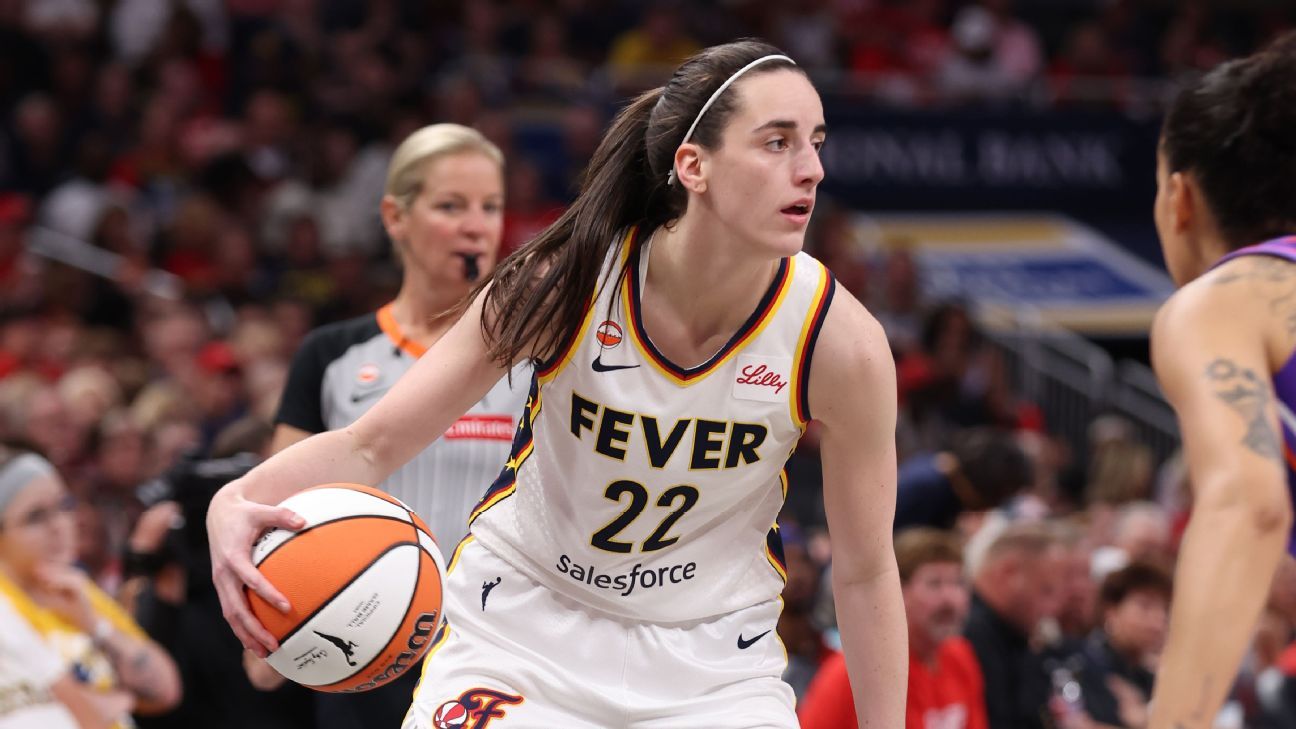
Caitlin Clark WNBA Officiating Debate: Adam Silver Weighs In
Adam Silver just stepped into the Caitlin Clark officiating storm, and that tells you how far this has spread. The WNBA’s brightest spotlight now carries real league-wide pressure.

Caitlin Clark Face of the WNBA Debate: Kareem Pushes Back
Kareem Abdul-Jabbar isn’t buying the easy label for Caitlin Clark. His criticism says as much about the league’s branding habits as it does about Clark.