
NFL International Team: Goodell Says Overseas Franchise Is Coming
The shield keeps chasing the map, and one day it’ll plant a flag where the taxes are friendlier.
 Leo Lupo6 min read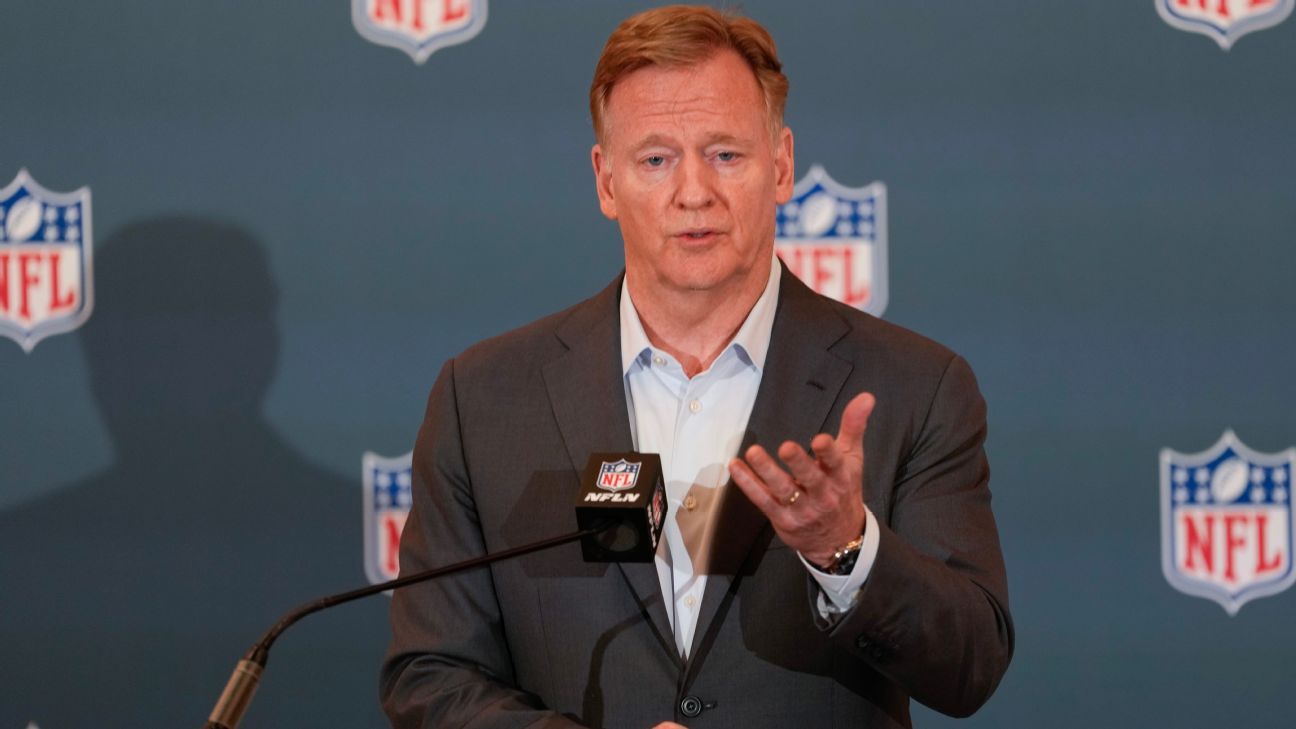
Roger Goodell didn’t exactly kick open the door, but he did enough rattling to let the rest of the league hear it. The commissioner says it’s not a matter of if the NFL lands a permanent team outside the United States, only when. That’s a heavy sentence from a man who’s spent years turning the league into a 24-hour export. The NFL has already spent the better part of two decades selling itself to London, Munich, São Paulo, and anybody else willing to host the circus. Now the question is whether the circus stops touring and moves into a permanent tent overseas.
That’s a different beast. A one-off game is a marketing stop. A full-time team is a logistical headache with a luxury box on top.
Goodell is talking expansion, not exhibition
The commissioner’s comments matter because he isn’t musing from the cheap seats. When Goodell speaks, it usually means the league has already been noodling the idea in boardrooms where the carpets are thick and the coffee costs more than a hot dog. The NFL has been building toward this for years through the International Series, and the schedule keeps getting longer in the pipeline. The league now has enough overseas dates, enough fan clubs, and enough corporate partners to convince itself the next step is natural.
Natural for whom, though? The owners, mostly. They see new revenue. They see untapped television markets. They see the chance to keep the shield rolling even after the domestic map gets crowded. That’s how these things work. Expansion always gets sold as vision. Usually it’s money wearing a tie.
A permanent team abroad would mean everything the league’s been dabbling with suddenly becomes real: travel fatigue, time-zone chaos, roster-building around those realities, and home-field advantage that looks less like a stadium and more like a hostage situation for visiting teams.
London still feels like the front-runner
If you’re drawing lines on the map, London still sits near the top of the list. It’s got the brand, the infrastructure, the media market, and a sports culture used to housing major imports. The Wembley Stadium appearances have already shown the NFL can draw a crowd there without having to lecture anybody on the rules for three hours. And if the league is serious about a permanent base, London gives it the biggest stage and the cleanest business case.
But London also has the hardest realities attached. Travel is brutal. Competitive fairness gets messy fast. The NFL loves to talk about parity until it has to schedule a team that flies across an ocean for every “home” game. And don’t kid yourself: if the league does this, every franchise lawyer and union rep in the sport will spend the next decade arguing over competitive balance, player wellness, and whether a team can truly be “home” when half the roster wakes up in another time zone.
The NFL doesn’t build for sentiment. It builds where the money says the paint should dry.
There’s also the matter of identity. Football is still tied to American cities in a way the other big leagues can’t always claim. The league can drop a logo on a foreign market, but that doesn’t instantly create the bruise-and-blood attachment that comes from generations of local pain. That’s the part the suits always underestimate. You can buy attention. You can’t buy ancestry.
What this means for the league’s old guard
This would not be some neat little add-on. It changes the temperature everywhere. Owners in smaller U.S. markets will watch this with a side-eye and a calculator. If the league proves it can plant a franchise overseas and make it work, the old argument about where the NFL should expand, and who gets priority, starts getting loud. Cities that have been waiting for a team, or hanging onto one, will see the overseas push as the league telling them to keep their hands up and their wallets open.
Players will have opinions too, and they won’t all be polished. Some will love the novelty, the travel, the chance to be part of something new. Others will hear “permanent overseas team” and think about missed holidays, long flights, and the body clock beatdown that comes with crossing the Atlantic on a weekly basis. The Players Association is not going to wave this through just because the commissioner says it sounds inevitable.
And let’s not pretend this is only about one team. If the NFL gets one permanent foreign franchise and it doesn’t stumble, the league will start poking around for a second. That’s how the machine works. One footprint becomes two. Two becomes a routine. Then everybody acts as if this was obvious all along.
I’ve been around long enough to remember when the NFL treated international games like exotic road trips. A little novelty. A little branding. A photo op with a flag, a cheerleader squad, and some local kids who may or may not know the snap count. Now the league talks like the world is just another market segment. Maybe that’s progress. Maybe it’s just capitalism with cleats on.
What I do know is this: once the NFL starts calling a foreign city a true home, the league is no longer merely exporting its product. It’s admitting the product has grown so big it can live elsewhere. That’s a milestone, whether folks like it or not.
The next fight will be about fairness, not fantasy
The fantasy version is easy. Big crowds. New jerseys. Fresh broadcast angles. Global buzz. The real fight starts when somebody has to explain how a team based outside the U.S. handles travel, practice schedules, bye weeks, and the rest of the grind that makes football a brute’s game disguised as entertainment.
If the NFL goes down this road, it will need more than a promise and a passport stamp. It will need real planning, real labor agreement muscle, and a willingness to stomach a few years of ugly optics while the format gets hammered into shape. Fans are patient for a minute. They are not patient forever, especially when they smell a gimmick.
Still, this is where the league is headed. Goodell didn’t say it because he enjoys hearing himself talk. He said it because the line has already been crossed in spirit. The NFL is an empire now, and empires don’t like borders. They like stadiums, broadcast windows, and any place that can be turned into a weekly habit.
Watch the schedule. Watch the next round of international games. Watch which city gets mentioned with a straight face instead of a marketing grin. That’ll tell you the boardroom has moved from dreaming to drawing the map.
More from Straight From The Bench
Comments
Join the conversation — sign in to leave a comment.
Sign in to commentRelated Stories

Za'Darius Smith Falcons signing: veteran pass rush gets one more run
Za’Darius Smith is back in the NFL, and the Falcons are taking the swing on a one-year deal. Atlanta gets edge-rush teeth, while Smith gets one more crack at relevance.

Bills Highmark Stadium field: early test passes in debut
Buffalo’s new Highmark Stadium got its first real examination under game conditions, and the grass came through cleaner than the chatter around it.
Keenan Allen Colts deal: why Indianapolis needed him now
The Colts have their veteran target. Keenan Allen’s one-year deal gives Indianapolis a reliable chain-mover and a cleaner answer for a thin receiver room.