
NFL Practice Squad Signings Tracker 2026: 16-Man Depth Lives On
The cutdown-day bruises fade fast; the real roster war begins in the shadows.
 Beatrice Kensington7 min read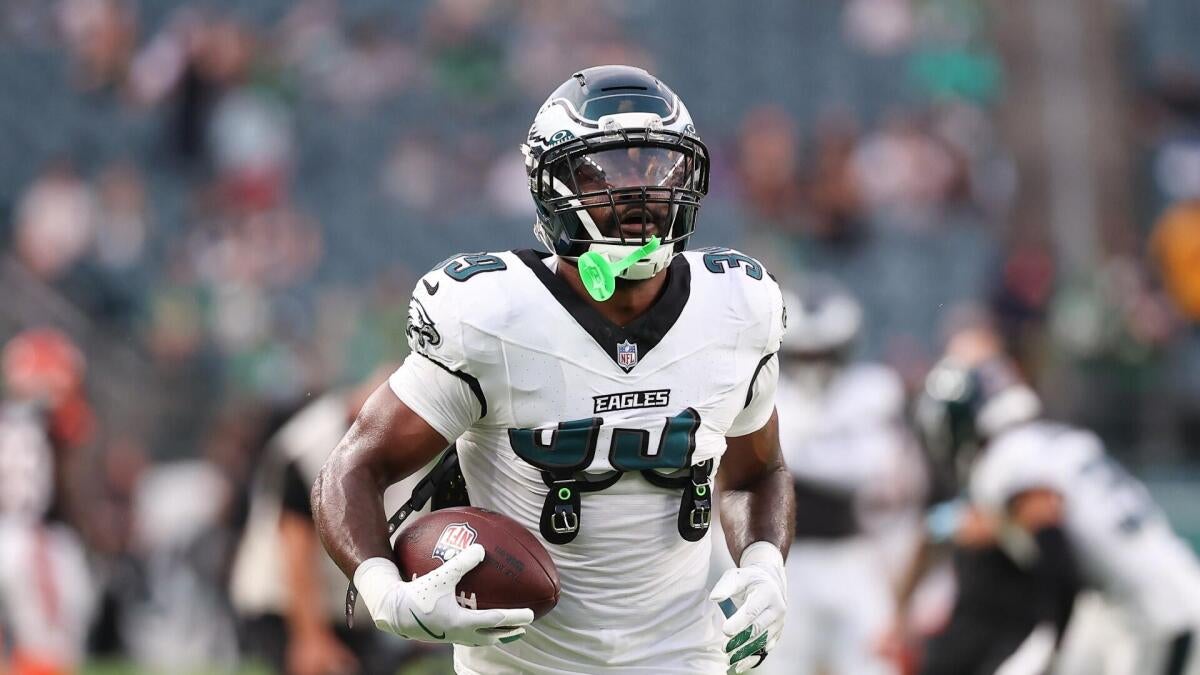
The league likes to sell roster cutdowns as a clean, decisive act — the brutal sweep to 53, the tidy pause before Week 1. It is never that neat. By the time the ink dries on the active roster, the real work has already started, tucked into the back corridors of the NFL where the practice squad has become one of the sport’s most consequential pieces of architecture. Sixteen players per team. Six veterans with unlimited experience. A second life for some, a proving ground for others, and a quiet confession from front offices that no roster is ever finished.
The modern NFL is built on contingency. A hamstring pulls, a special teamer slips, a rookie linebacker loses his footing in September, and suddenly the guy who spent August on the practice field is standing on the sideline with a headset and a chance. That is why these signings matter. They are not clerical afterthoughts. They are the league’s emergency exits, and sometimes its hidden staircases.
The practice squad is no longer a footnote
The notion of a “taxi squad” belongs to a different football age, one when the game moved slower and the roster rules were looser. Today’s practice squad is a controlled pipeline of depth, a place where teams can keep a developmental quarterback, a rotational tackle, a coverage safety, or a return man who has not yet found his lane. The rules have changed the economics of roster-building. Clubs can carry more bodies, but they can also manipulate them more aggressively, shuttling players up and down with a velocity that would have seemed unthinkable a generation ago.
That flexibility is not a luxury. It is survival. In a league of violent attrition, the practice squad keeps the season from collapsing under its own injuries. It also lets teams protect their own investments a little longer, especially the young players who were not quite ready on cutdown day but are still worth nurturing in the shadow of the 53.
For the fans who track every waiver claim like a detective follows footprints, this is where September rosters become living documents. The names on the back end are not filler. They are clues.
Why veterans on the squad change the math
The most important wrinkle in the current setup is the allowance for six veterans with unlimited NFL experience. That rule has made the practice squad less like a nursery and more like a reserve bench with real teeth. A team can keep a seasoned guard, a third-down corner, or a backup quarterback who has already seen the speed of the league and won’t blink at a Sunday call-up.
That matters because experience is often the difference between holding the line and watching the whole thing buckle. A veteran on the squad can stabilize a room when injuries begin to nibble at the depth chart. He can bridge a week, or three, or the stretch in November when the standings harden and the weather turns mean. He can also make a young quarterback’s life less lonely, which is its own form of value.
The ripple effect runs beyond the player himself. For a franchise like the Detroit Lions, the Philadelphia Eagles, or the Kansas City Chiefs, a practice squad is not merely a safety net; it is a competitive tool. These teams know that a roster is built as much in August and September as it is in the draft room. That is why Detroit Lions practice squad tracker: waiver wire and roster moves, Eagles practice squad tracker: Signings, claims, roster moves, and Chiefs Practice Squad Tracker: Kansas City Builds Depth are not idle housekeeping stories. They are maps of how contenders preserve an edge.
The practice squad is where the NFL hides its most honest roster decisions: not who was famous, but who can still help.
What this means for players on the bubble
There is a particular ache to being waived and then retained on the practice squad. It is not dismissal, exactly. It is a waiting room with helmets. Some players are young enough to treat it as apprenticeship. Others, especially veterans, know it can feel like standing just outside the house you built.
And yet this arrangement can be meaningful, even dignified, in a league that often chews up the lower half of the roster. A practice-squad contract keeps a player in the building, near the coaches, near the film, near the next opportunity. It keeps the dream breathing. For late-round picks and undrafted rookies, that proximity can turn into a call-up in October. For a veteran with a scarred knee or fading speed, it can be the difference between football and the cold silence of free agency.
There is also a moral dimension here, if one is willing to look at it plainly. The NFL asks a great deal of the bodies that populate its margins. Practice-squad rules soften the edges only a little, but that little matters. It gives teams a way to keep players engaged rather than discarded, and it gives players a way to remain visible in a business that is all too ready to look past them.
How teams actually use these 16 spots
The smartest franchises treat the practice squad like a chessboard, not a waiting room. One spot might be devoted to an emergency quarterback. Another to a swing tackle. Another to a specialist who can help the scout team mimic a division rival’s offense. Teams also use these spots to keep developmental talents close, especially raw linemen and defensive backs who need another season of hand work, leverage, and technique before they can survive regular-season speed.
The dance after cutdowns is especially important because it is rarely stable for long. The NFL season starts rearranging depth charts almost immediately, and clubs must be ready to elevate players on short notice. Injuries will create openings. Game plans will create openings. The calendar itself will create openings.
That is why the smartest roster builders do not stop at 53. They think in 69s, really: the active roster and the practice squad together, the whole ecosystem of a team. The headline may crown the starters, but the season is often saved by the fifth receiver, the backup center, or the cornerback who spent August getting beat in practice and September getting the call.
Beatrice Kensington on the hidden roster war
I have always believed the most revealing part of football is not the Sunday theater, with its lights and its roar and its polished mythology. It is what happens after the cameras move on. The practice squad is football stripped of ornament, a ledger of optimism and compromise. Teams tell themselves they are building a roster; in truth, they are building a series of escape hatches against the inevitable.
That is why I find these signings more emotionally honest than the cutdown-day ceremony that precedes them. The 53-man roster is a statement. The practice squad is a confession. It says: we are not certain, and neither is the season. It says: keep your cleats by the door.
In a softer sport, this might seem like bookkeeping. In the NFL, it is an alternate front line. The men and women in the personnel departments understand that championships are often protected by the player nobody outside the building can name in September. History keeps proving the point. Contenders are not only born in the draft room or on the marquee signing. They are also preserved in the quiet, unglamorous labor of the back end.
The roster may be cut to 53 in the rulebook. On the ground, the season begins with 69 lives attached to every team. And before long, a few of those names on the practice squad will matter in ways no one saw coming.
Watch the churn. That is where the real season starts.
More from Straight From The Bench
Comments
Join the conversation — sign in to leave a comment.
Sign in to commentRelated Stories

Detroit Lions practice squad tracker: waiver wire and roster moves
Detroit is shaving the roster and hunting for help. The practice squad is where the real roster work starts now.
Cowboys right tackle competition: Terence Steele vs Broderick Jones
Brian Schottenheimer says the Cowboys are not handing the right tackle job to anyone. With the opener two weeks away, Terence Steele and Broderick Jones are in a real fight.

Eagles practice squad tracker: Signings, claims, roster moves
Philadelphia’s 53 is set, but the real roster churn starts now. The Eagles are already working the practice squad and waiver wire with the same cold-blooded urgency that built the depth chart.