
NFL Pro Bowl Changes: No More Standalone Game
The league finally admits spectacle can’t keep pretending to be sport.
 Beatrice Kensington6 min read
The Pro Bowl has spent years living a double life: officially an honor, functionally a shrug. Now the NFL is doing what the event itself has been telegraphing for a while — ending the standalone game and, in effect, conceding that the old model no longer deserves prime real estate on the calendar. The move is less a shocking pivot than a tidy surrender to reality. The league has been selling prestige from a product that too often looked like a half-open dress rehearsal.
For a sport built on collision, the Pro Bowl became a careful thing. Too careful. Once the injuries started carrying real cost and players started treating the week like a civic obligation instead of a competitive summit, the whole enterprise drifted. Fans noticed. So did the players. What remained was an awkward ritual: the best names in the league gathered in one place, then asked to do the one thing everyone understood they could not safely do at full speed.
The honor survived. The game did not.
That distinction matters. The Pro Bowl has never been meaningless in the narrow sense; being named still says something about reputation, production, and peer respect. If anything, the NFL has been protecting that part of the brand while letting the actual game wither in public. The league is now choosing to keep the badge and retire the performance.
There is a kind of honesty in that. The NFL has spent decades polishing ceremonies around the edges of its business, but the annual all-star game was increasingly a relic from another era — one when television habits were different, player salaries were different, and the audience was more forgiving of exhibition theater. Modern fans are not nearly so patient with anything that pretends to be consequential without paying the full price of consequence.
The league’s decision also reflects a truth executives rarely say out loud: the NFL’s brand is strong enough that it does not need to force a fake contest to sell the idea of its stars. Patrick Mahomes, Lamar Jackson, Jalen Hurts, Justin Jefferson — the sport’s marquee figures already move ratings and headlines when they show up for meaningful football. The Pro Bowl, by contrast, became a reminder of absence. Everyone knew what they were not watching.
A reflection of where football fandom has moved
The decline of the standalone Pro Bowl is part of a broader shift in how fans consume sports. They want stakes, or at least the honest appearance of them. The old exhibition model has been under siege across the sports landscape for years, from baseball’s All-Star Game losing its automatic allure to the NBA leaning ever harder on format tweaks in hopes of manufacturing urgency. Football was never going to escape that pressure.
And football has a particularly ruthless way of exposing anything ornamental. The same violence that makes the regular season compelling also makes soft-touch exhibition football feel like a counterfeit bill. Fans do not tune in to see their favorite offensive tackle shuffle through a coconut-tree relay or a quarterback float passes with one eye on the sideline trainer. They tune in for conflict, for jeopardy, for the sense that something real might break one way or the other.
The Pro Bowl did not die because fans stopped loving stars. It died because fans stopped pretending a safe imitation of football was enough.
That is the blunt truth beneath the league announcement. The NFL could have kept dressing the event up with novelty, but the audience had already filed its verdict. The Pro Bowl was no longer an event to which fans brought anticipation. It was something to be endured, or ignored.
What this means for players, and for the league’s image
The practical impact is fairly obvious: one less date that can expose a star to injury in an unrewarding setting. That will matter to coaches, general managers, and the players themselves, especially in an era where the season already feels like a long argument with the body. The NFL’s labor machine has spent years trying to balance celebration and preservation, and this is one of those rare moments when the balance tilts toward common sense.
There is also a reputational benefit for the league, even if it arrives through the back door. The NFL has always been ruthless about monetizing attention, but it is at its best when it projects seriousness. No one has ever accused the league of lacking confidence. The problem with the Pro Bowl was not that it failed to be fun; it was that it made the league look slightly embarrassed by its own product. That is not a good look for a billion-dollar colossus.
I’ve always believed the NFL’s smartest instinct is to protect scarcity. The league understands that every extra event, every extra layer of spectacle, risks diminishing the value of the real thing. When the league forced the Pro Bowl into the spotlight year after year, it was asking fans to invest in a substitute. That is a difficult sell in any market, but especially in one as emotionally exacting as football.
Years ago, leagues could count on the novelty of a best-on-best gathering to carry them through. That era has passed. The modern fan has seen too much, and the best players have too much at stake. The league is finally catching up to the audience. It happens less often than the marketing departments would admit.
The bigger question: what replaces it?
That is where the real test begins. Eliminating the standalone game solves an image problem, but it leaves the league with a vacancy. The NFL has tried versions of skills competitions, made-for-TV programming, and alternative formats before, and none of them have fully captured the old ceremonial weight. Something will fill the space, because the league hates empty calendar real estate almost as much as it hates bad optics.
The challenge is finding an event that feels playful without feeling disposable, competitive without being reckless. That is a thin line. The league may end up leaning harder into the idea of honoring elite seasons rather than staging a false contest around them. That would be sensible. The best version of an all-star week in the NFL may not look much like football at all.
The Pro Bowl’s disappearance as a standalone game does not shrink the league. If anything, it clarifies it. The NFL is strongest when it respects the singular nature of its product. Sundays are the cathedral. Everything else is side chapel, gift shop, and parking lot.
The league has finally stopped pretending the old exhibition was sacred. Good. Let the honor remain. Let the fiction go with the parade lap.
Now the NFL gets to decide whether it wants a celebration of excellence — or just another televised obligation wearing a smile.
More from Straight From The Bench
Comments
Join the conversation — sign in to leave a comment.
Sign in to commentRelated Stories
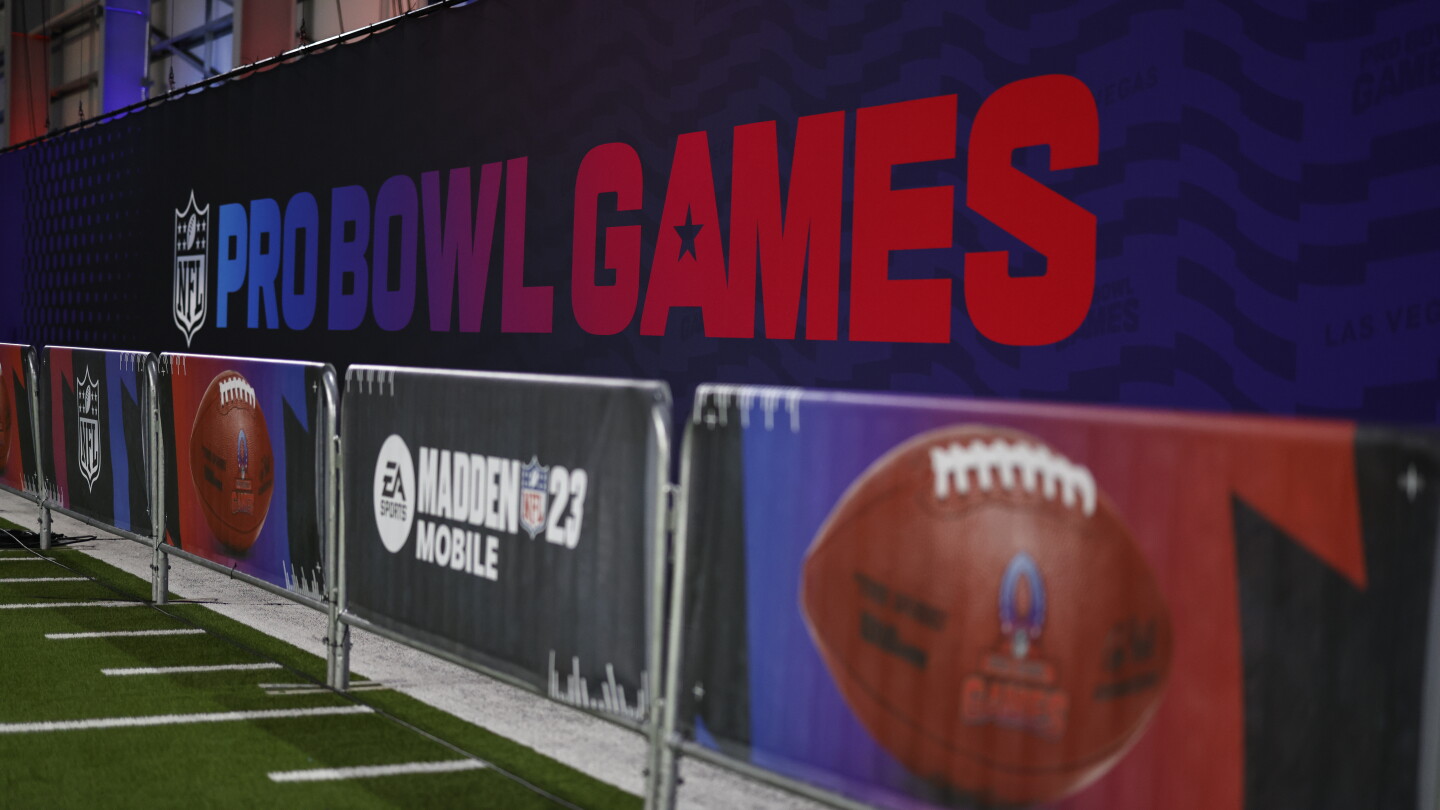
Pro Bowl changes: Roger Goodell wants honor over exhibition
Goodell is trying to rescue the Pro Bowl’s meaning without pretending the old game still works. The NFL knows the brand needs status, not another shrug.
Giants Malik Nabers Practice Update: Why His Exit Matters
Malik Nabers left practice early, and the Giants spent the day explaining rather than easing minds. For a team built on fragile hope, even small ambiguity feels heavy.
2026 Fantasy Football Sleepers: Thunder Dan's Favorite Draft Picks
Thunder Dan’s 2026 fantasy board is loaded with draft values and sleeper targets. The real edge is spotting where ADP and actual role are about to split.