
NFL Roster Cuts 2026: Winners and Losers Across the League
The brutal arithmetic of cutdown day always tells the truth.
 Beatrice Kensington6 min read
.jpg?w=1120&h=630)
The NFL always reveals its most unsentimental self on cutdown day. By late August, the music stops, the jerseys are folded, and the league reduces thousands of dreams to a number that fits on a spreadsheet: 1,696 men, exactly, across 32 teams. There is no tenderness in that math, only consequence. Some clubs emerge with cleaner depth charts and a sharper sense of purpose. Others leave the day with holes where confidence used to be.
The great lesson of roster cuts is that the league does not merely separate the good from the bad. It separates the needed from the expendable. That distinction can be cruel, and it can also be revealing.
Pittsburgh found a real pulse in Germie Bernard
Among the names that mattered most in this round of roster sorting, Germie Bernard stood out for Pittsburgh. Rookie classes are usually measured in flashes and projections, in the kind of practice-field praise that vanishes under live fire. Bernard has apparently done more than flash. He has forced his way into the conversation through consistency, and that matters in a league that too often mistakes pedigree for readiness.
What makes Bernard notable is not simply that he survived the cull. It is that he seems to have changed the shape of the decision-making around him. A receiver who impresses in minicamp and carries that through joint practices and the preseason is not just filling a depth role; he is altering how a coaching staff allocates trust. For a team like Pittsburgh, that can have real downstream effects on how the passing game is organized, which routes get emphasized, and which veterans can no longer take their places for granted.
The Steelers have spent years trying to thread the needle between development and urgency. Bernard’s rise, if it holds, is the kind of low-cost win that can stabilize a roster for a season or two. These are the players who keep a team from having to shop the bargain bin in November.
The thin edge between stability and vacancy
Roster cuts always look cleaner on paper than they do in reality. A team may celebrate keeping 53, but the truth is that those final decisions often reflect compromise. One injury, one special-teams lapse, one bad week from a veteran, and the whole construction starts to shake.
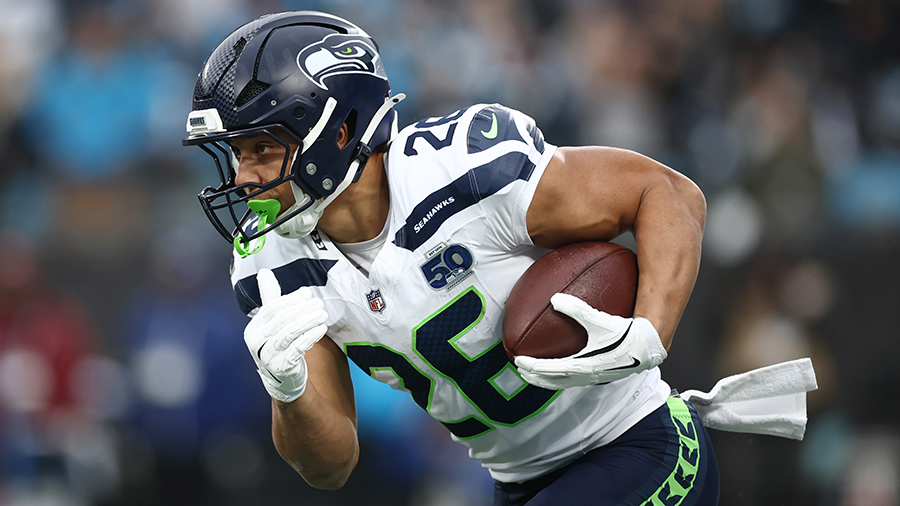
That is why cutdown day matters so much for the clubs that handled it well. The Seattle Seahawks, for example, were one of the teams whose decisions suggested a front office with a clear sense of where its margins lie. The same can be said for a handful of others that entered camp with crowded position groups and left with something closer to a working plan. Our deeper look at the Seahawks’ initial 53-man roster speaks to that broader theme: the strongest teams are not merely talented, they are coherent.
By contrast, the clubs that hesitated on the back end of the roster often betray themselves later. A shaky third linebacker or an unproven backup tackle can become a monthly crisis by October. Cutdown day is the last time a franchise can pretend those issues are theoretical.
Cutdown day does not create contenders. It reveals which teams already knew who they were.
That is the harsh beauty of it. The league gives everyone the same deadline, but not everyone arrives there with the same clarity.
Why the waiver wire matters more than the speeches
The true work of roster cutdowns does not end with the announcements. It moves immediately to waivers, where one team’s discarded receiver becomes another team’s emergency solution. The Cincinnati Bengals are among the clubs that understand this better than most. When your roster has visible pressure points, the waiver wire becomes less a shopping trip than a survival exercise.
That is the part the public often misses. The performances that happened in August do not disappear when the initial 53 is set. They are sorted, reevaluated, claimed, hidden on practice squads, or lost entirely. For players on the fringe, the difference between staying employed and going home can be one waiver claim away.
This is also where a front office proves whether it has been watching carefully or merely filing notes. Teams that wait too long on a weak position can find themselves paying a premium later, either in free agency or through trade. The smartest organizations treat final cuts as the first move in a longer game, not the end of one.
The human cost beneath the numbers
I have watched enough of these days to know that the league likes to present them as housekeeping. Clean rosters. Efficient decisions. Businesslike language designed to dull the blade. But there is always a human cost hiding behind the terminology. A player who loses a job here is not just losing a jersey. He is losing routine, income, proximity to the thing he has organized his life around since childhood.
That is not melodrama. It is the job.
And yet the sport’s hardness is part of what makes the good roster decisions so consequential. If a team discovers a player like Bernard early, or correctly identifies its weak spots before September, it is preserving future pain. Better to feel the discomfort now than to spend the autumn paying for denial. The clubs that understand this tend to last.
I keep coming back, in moments like this, to the old truth that the NFL is less a league than a filtration system. It tests not only talent but timing, temperament, and patience. The teams that prosper are rarely the ones with the flashiest August. They are the ones with enough humility to accept that the back end of a roster can decide a season. That is a lesson the Kansas City Chiefs have made into an art form, and one many others keep relearning the hard way.
What to watch as the season takes shape
The next few days will tell us more than the first roster lists ever could. Practice squad signings will reveal which teams were merely trimming and which were truly planning. Waiver claims will show where the league believes the value sits. And a handful of names that looked buried on Tuesday may resurface by mid-October wearing different colors.
That is the strange, grinding rhythm of the NFL’s calendar. The roster cut is the ending of one story and the opening sentence of another.
The standings will arrive soon enough. For now, the real measure is simpler: who kept belief, who kept flexibility, and who confused familiarity with merit. Those answers tend to travel.
More from Straight From The Bench
Comments
Join the conversation — sign in to leave a comment.
Sign in to commentRelated Stories

Patriots roster cuts: 8 winners and losers from cutdown day
New England trimmed to 53 with a pile of moves and a clear message. Some jobs were earned, some were handed back, and some are still hanging by a thread.
Seahawks Initial 53-Man Roster: 4 Takeaways From Cutdown Day
The Seahawks’ first 53 gave real clues on health, roles, and who they trust now. Cutdown day always tells you more than the press release.

Bengals Waiver Wire Options: 5 Targets After Final Cuts
Cincinnati’s backfield could use a little more grown-man football. The waiver wire is where the Bengals can find it — if they’re willing to be honest about what they have.