NFL Trade Block Big Board: Week 7’s names to watch
The deadline is still weeks away, but the market is already sorting itself.
 Beatrice Kensington7 min read
The NFL does not wait for permission to become urgent. By Week 7, the season has a way of stripping away the polite fiction that everyone is still “evaluating.” The tape is in. The injuries are piling up. The teams with something to prove can see the playoff road, and the ones without a map can already feel the deadline clock ticking somewhere in the background like a door left open in a cold house.
That is where the trade market lives now: between hope and triage. Not every club will admit it, but plenty are already sorting their rosters into two piles — keepers and movable pieces. The calendar says November 10 is still ahead. Football says otherwise.
The deadline starts long before November 10
A trade deadline in the NFL is never just about the last week. It is a slow referendum on each front office’s honesty. By the time the leaves turn, general managers know which holes can be patched and which are structural. They know whether the quarterback is good enough to justify a short-term addition, whether the pass rush is one player away or three, whether the locker room still believes the season is going somewhere.
That is why the Week 7 board matters so much. It is not merely a list of names. It is a portrait of desperation, ambition, and arithmetic. Teams that believe in their windows will reach for veterans who can stabilize a corner, deepen an offensive line, or give a defense one more disruptive body on third down. Teams that have fallen behind will begin asking harder questions about expiring contracts and tradable value.
The NFL has turned roster management into a kind of chess match played at full speed. The move is never just about the player being acquired. It is about the draft capital surrendered, the cap space preserved, the message sent to the locker room, and the one no one says out loud: whether ownership is willing to spend for relevance.
Sellers, buyers and the uncomfortable middle
The cleanest trade markets are built on clarity. Contenders buy. Rebuilders sell. The league’s middle class, though, is where the real tension lives. Those are the teams sitting one win above embarrassment and one bad Sunday away from a teardown. They do not want to sell. They do not want to admit they should buy. They want the standings to make the decision for them.
That is why the most interesting names on any trade board are often not the stars, but the useful players who can change the texture of a lineup without turning the entire roster inside out. A dependable edge rusher. A receiver who wins on timing routes. A veteran linebacker who can survive coverage snaps. A starting-caliber tackle. The sort of player whose value is clearest to the people who have to game-plan against him.
And this season, the pressure feels especially sharp because the league’s contenders are so easy to spot and so vulnerable in places. One team may have a quarterback and not enough help around him. Another may have the league’s most intimidating defense and still need a receiver who can win a contested ball on third-and-8. The trade market is built for exactly this kind of imperfection.
The deadline does not reward patience; it rewards the teams brave enough to admit what they are missing.
Why the best trade chips are never just about talent
There is a temptation, every October, to treat trade value as if it were a simple inventory of yards, sacks, or catches. It is never that neat. The players who move best are the ones whose contracts, age, and role line up in a way that gives a buyer clean fit and a seller clean exit.
That is where the market gets fascinating. A productive veteran on an expiring deal is not merely a football asset; he is a financial instrument with cleats on. A younger player with team control has more theoretical value, but also a higher price tag. A backup who can start in a pinch may be worth more to a contender than a louder name with diminishing explosiveness. The league’s calculus is cold, and merciless, and usually correct.
I have always believed the trade deadline reveals more about organizational confidence than talent evaluation does. Teams that know who they are tend to act with a kind of sober precision. They identify the exact seam in the roster and attack it. Teams that don’t know who they are tend to drift — neither buying enough to matter nor selling enough to reset. In that sense, the deadline is less a shopping season than a truth serum.
The most dangerous front offices are the ones that understand this before the rest of the league does. They do not chase headlines. They chase leverage. They know that a modest move in October can spare them a panic move in March. They also know that standing still is its own decision, and often the most expensive one.
What contenders will be hunting first
If history is any guide, the market tends to sort itself around a few familiar needs: pass rush, offensive line help, and secondary depth. Those are the positions that crumble fastest under the strain of a long season. They are also the easiest places for a contender to hide a weakness until a playoff opponent exposes it in 15 brutal minutes.
For the teams near the top, the question is not whether to improve. It is how much future they are willing to trade for a clearer path now. That choice can define a season and, in some cases, a franchise’s reputation. Fans remember the splashy moves. Front offices remember the ones that fit. The difference is everything.
The other layer here is psychological. A midseason acquisition can stiffen a room, especially if the player has postseason mileage and arrives with credibility intact. But it can also telegraph doubt if the wrong piece is chased for the wrong reason. Teams sometimes buy the wrong solution because the right one costs too much. That is how you end up with a jersey number and a press release instead of an answer.
For readers tracking the broader league mood, it is worth watching how this intersects with other deadline-adjacent storylines across the sport. A roster on the rise can look one way in September and another once the injuries hit, much like the pressure points that have shaped stories such as Chargers offense update: Los Angeles plans to simplify its scheme or the way a team’s season can tilt after a single catastrophic absence like the one in the Jalen Hurts blood clots update: Eagles star faces long absence. The NFL never stops teaching the same lesson with fresh faces: depth is not a luxury. It is survival.
The real story is control
What makes the Week 7 trade board worth watching is not just the names. It is the power map behind them. Which teams are acting from strength. Which are acting from fear. Which general managers trust their scouting enough to buy now, and which are waiting for a better price that may never come.
The league’s harshest truth is that no one gets to stay perfectly balanced for long. The contenders will chase reinforcement. The stragglers will look for leverage. The rest will pretend the standings have not already made some choices for them. By the time the deadline arrives, the market will not merely reflect the season. It will have helped decide it.
And that is why the next few weeks matter. The names will change, but the stakes are already fixed. The smart teams know it. The nervous ones are catching up.
More from Straight From The Bench
Comments
Join the conversation — sign in to leave a comment.
Sign in to commentRelated Stories

Chargers offense update: Los Angeles plans to simplify its scheme
Los Angeles is trimming the menu, not rewriting the meal. That choice says plenty about where the Chargers are and what they still are not.

Packers vs. Lions: Green Bay’s Surge Meets Detroit’s Big Test
Green Bay has cleaned up its mess and found its legs. Now the Lions walk into a division fight against a team that looks a whole lot more dangerous than it did a month ago.
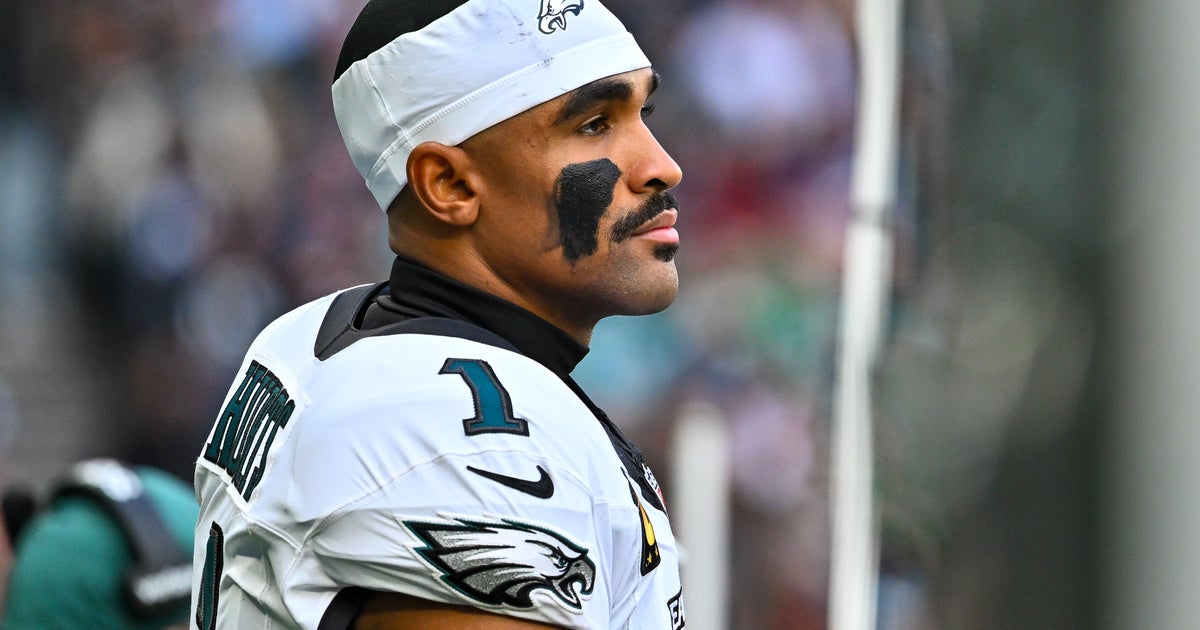
Jalen Hurts blood clots update: Eagles star faces long absence
Jalen Hurts is dealing with blood clots in his lungs and leg, and the Eagles are now staring at a quarterback absence with massive football and human stakes.