
NFL trade deadline: Jonathan Taylor, Kirk Cousins headline 16 names
A month out, the league is already sorting buyers from the rest.
 Beatrice Kensington6 min read
The NFL’s trade season does not arrive with trumpets; it creeps in like weather pressure, changing the air before anyone admits the storm is here. A month before the Nov. 10 deadline, the league has already seen movement, already seen the first cracks in the wall, and already learned the oldest lesson of this business: the most valuable commodity is not always the best player, but the player a team can no longer quite afford to keep.
Jonathan Taylor sits near the top of that conversation because he always does when the Colts’ push-pull between contention and caution comes back into view. Kirk Cousins belongs there because quarterbacks warp every market they enter. And around them is a crowd of names that tell the same story in different accents — veterans, expensive contracts, uneven fits, defensive help for one club and a life raft for another. The deadline is not just a filing date. It is a verdict on who believes in the present.
The deadline is already speaking before Nov. 10
What makes this particular trade season feel combustible is not one blockbuster rumor, but the accumulation of small admissions. Teams do not move useful players early unless they sense a market, and they do not shop expensive names unless the internal math has already become uncomfortable. That is why the first moves matter. They are the opening notes of a negotiation season in which every general manager suddenly sounds like a philosopher of scarcity.
The league has been here before. A season can tilt quickly once a few teams decide their window is real. In that sense, this year’s deadline carries the same undertow that has followed modern NFL roster building for the last decade: if you have a quarterback, a pass rush, and a roster sturdy enough to survive January weather, you buy. If you don’t, you sell with a straight face and call it prudence.
The names being floated, from running backs to quarterbacks to defensive starters, reveal a market that is not waiting around for the perfect fit. It is shopping for leverage.
Jonathan Taylor and the running back problem nobody wants to solve
Jonathan Taylor’s name drifts through every deadline season because he is the rare back good enough to change the terms of a conversation. He is also a reminder of how strangely the league values elite runners: adored when the yards are needed, rationed when the contract bill arrives. The Indianapolis Colts know this better than almost anyone, and every other team with a beaten-up backfield knows it too.
The economics are stark. A back can be a fulcrum in September and a negotiable asset by November, not because the position lacks importance, but because the sport has made replaceability an article of faith. That belief is often wrong in the thin air of the red zone, where vision, acceleration and decisiveness still decide Sundays. Taylor remains the kind of runner who can make a mediocre offense feel briefly, gloriously inevitable.
If he is truly available, the market will not lack suitors. What it may lack is sanity. A trade for a back of his stature is a declaration that a team believes its offensive line, quarterback and defense are all good enough to justify the expense. That is a narrow club.
Kirk Cousins and the quarterback market’s cruel arithmetic
Kirk Cousins changes the temperature of any deadline because the quarterback market always does. Teams can bluff at every other position. At quarterback, bluffing is what gets you fired. Cousins is not just a name; he is a mirror held up to the desperation of clubs that think they are one steady passer away from turning a decent season into something more dangerous.
The Minnesota Vikings know the toll of quarterback uncertainty better than most, and Cousins has long represented both security and complication — the sort of veteran who stabilizes an offense while forcing the front office to decide how much certainty is worth in a league addicted to future flexibility. That is why any Cousins talk carries weight even when it starts as smoke. A veteran quarterback on the board alters draft capital, alters locker room mood, alters the entire emotional architecture of a season.
The deadline is where ambition stops being theoretical and starts costing picks.
There is no tidy way to price peace of mind at the most important position in sports. That is why the quarterback market behaves like a panic room with a spreadsheet taped to the wall. If a contender needs Cousins, it is usually because something else has already failed.
The defenders and the price of urgency
The other names in this market tell a different truth: that defense, too, gets traded when a team convinces itself it is close. Players such as Joey Porter Jr. and Gervon Dexter Sr. do not just represent talent; they represent the kind of roster-building tension that general managers spend all year trying to avoid and then embrace in late October with admirable hypocrisy.
Defensive players often move because the buyer is looking for one missing piece, one stabilizer in the secondary or on the line, one body that can survive a playoff game in the mud. This is where deadlines become revealing. Offensive desperation tends to make the headlines. Defensive shopping tells you who believes their offense is already good enough to keep them alive.
If you want the hidden story of the deadline, it lives in these names. It lives in the teams willing to sacrifice a fourth-round pick for a corner or a tackle because they have looked at their own schedule and seen January reflected back at them.
What these rumors say about the teams willing to push chips in
I’ve always believed the trade deadline is less about the players on the block than the front offices willing to admit they can see the edge of the map. A contender that moves for a veteran now is not merely buying talent; it is buying narrative, selling its locker room the idea that management still believes in the room’s ceiling. Sometimes that belief is the oxygen a team needs. Sometimes it is just expensive incense.
The last decade has made executives bolder and, in some ways, less honest. They speak constantly about building sustainably, about preserving flexibility, about not mortgaging tomorrow. Then October arrives, the losses pile up, and suddenly a midseason deal is described as responsible aggression. I have never minded the contradiction. Football is a violent enough sport that the people in charge might as well be honest about wanting to cheat time.
That is why these next few weeks matter beyond the names themselves. The teams that move early are telling us they trust their evaluation. The teams that wait are telling us they trust their luck. Both can be right. Only one gets rewarded by February.
The deadline won’t wait for anyone’s comfort
The next month will sort the pretenders from the believers, the patient from the frantic. Some of these names will move, some will stay, and a few will become deadline ghosts, forever attached to a rumor that felt bigger than the market ever truly was. But the tension is the point. The league is asking which clubs are willing to pay for urgency.
By Nov. 10, we will know who answered yes.
More from Straight From The Bench
Comments
Join the conversation — sign in to leave a comment.
Sign in to commentRelated Stories
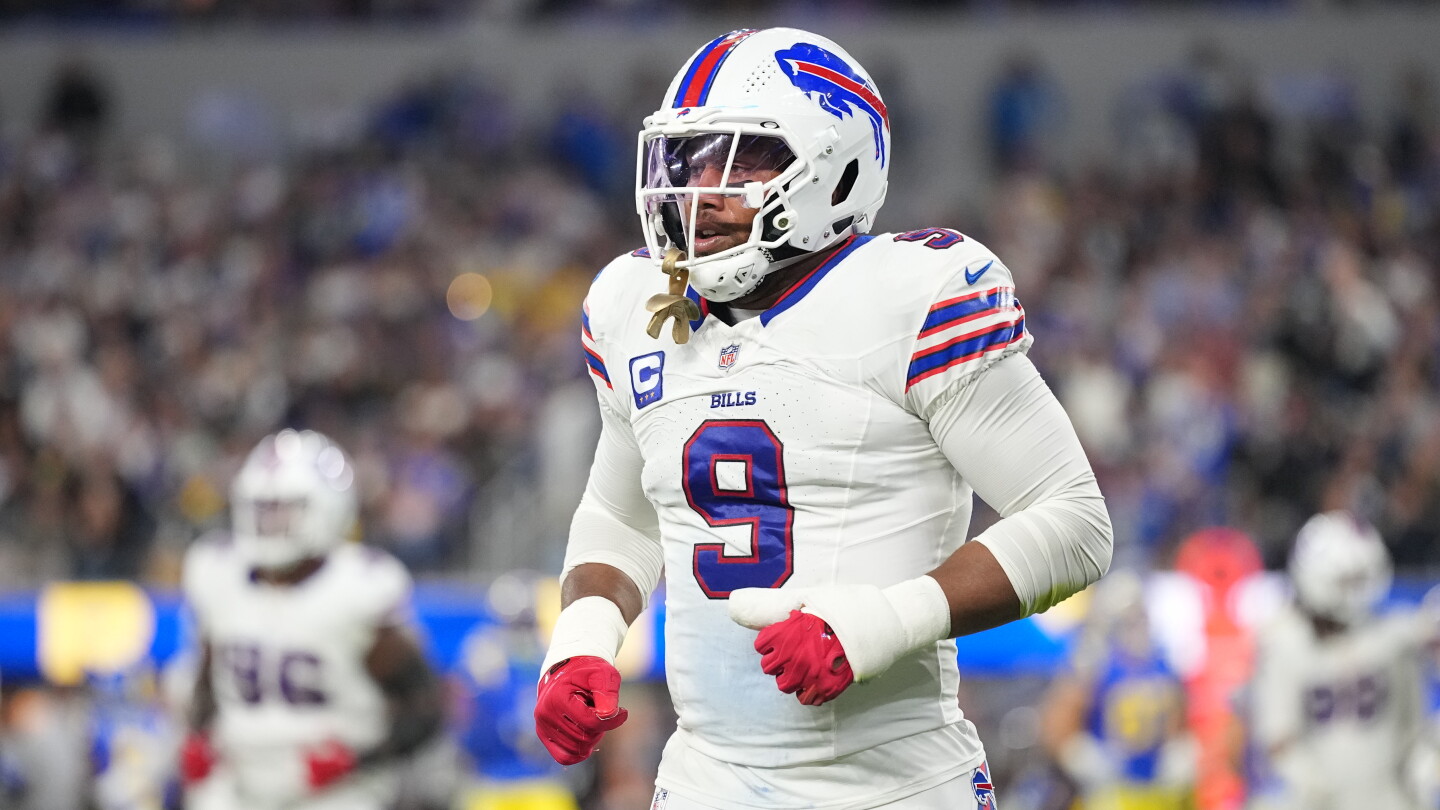
Bradley Chubb altercation explanation: Rams, Bills, and Alaric Jackson
Bradley Chubb says his version of the dustup is simple enough. The bigger story is what Alaric Jackson’s reduced suspension means for the Rams and the edge that still lives in this league.
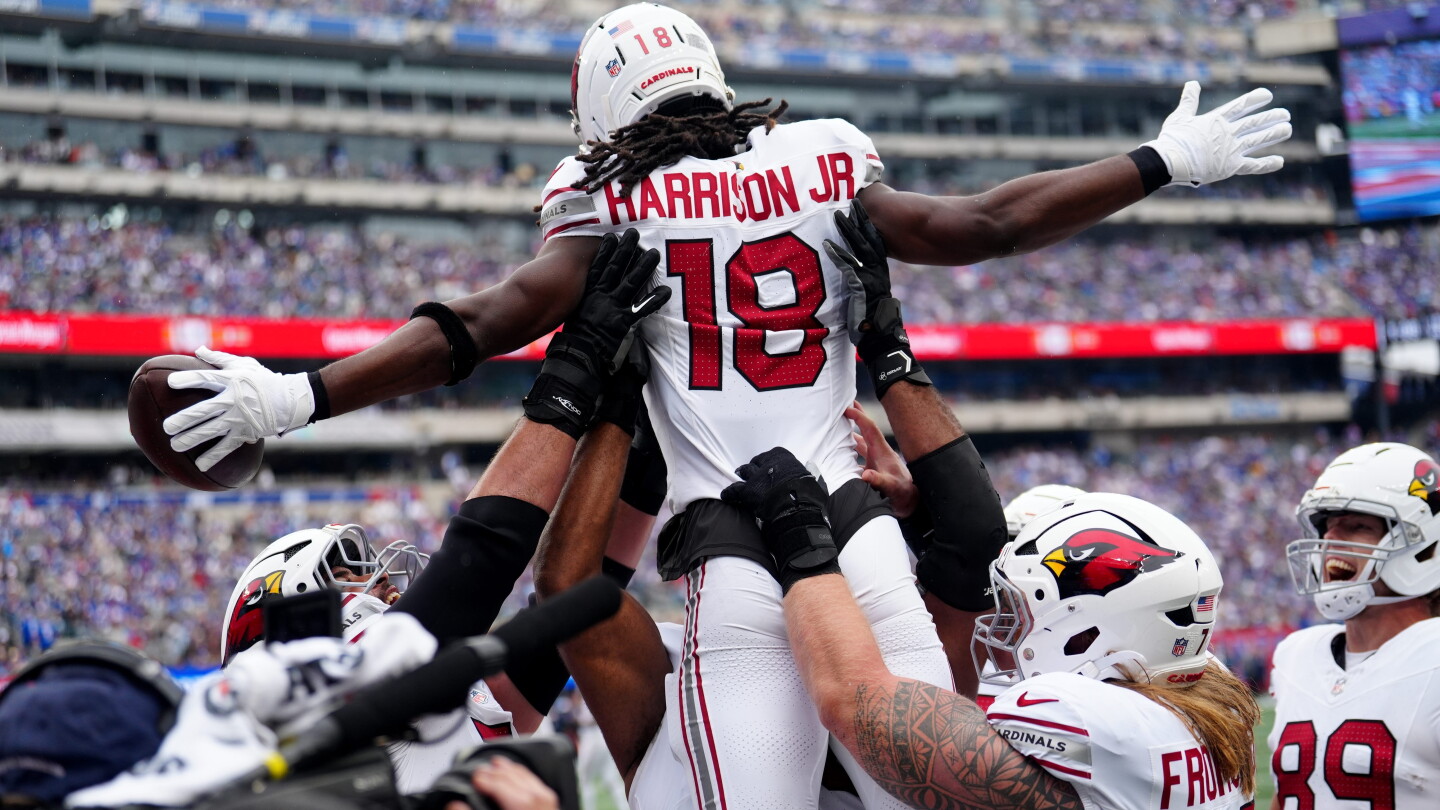
Marvin Harrison Jr. Trade: Texans Deal Was Finalized Friday
Houston had this move locked in before the first fuzzy half-report hit the timeline. That changes the way you read the trade, and the way the Texans are building.
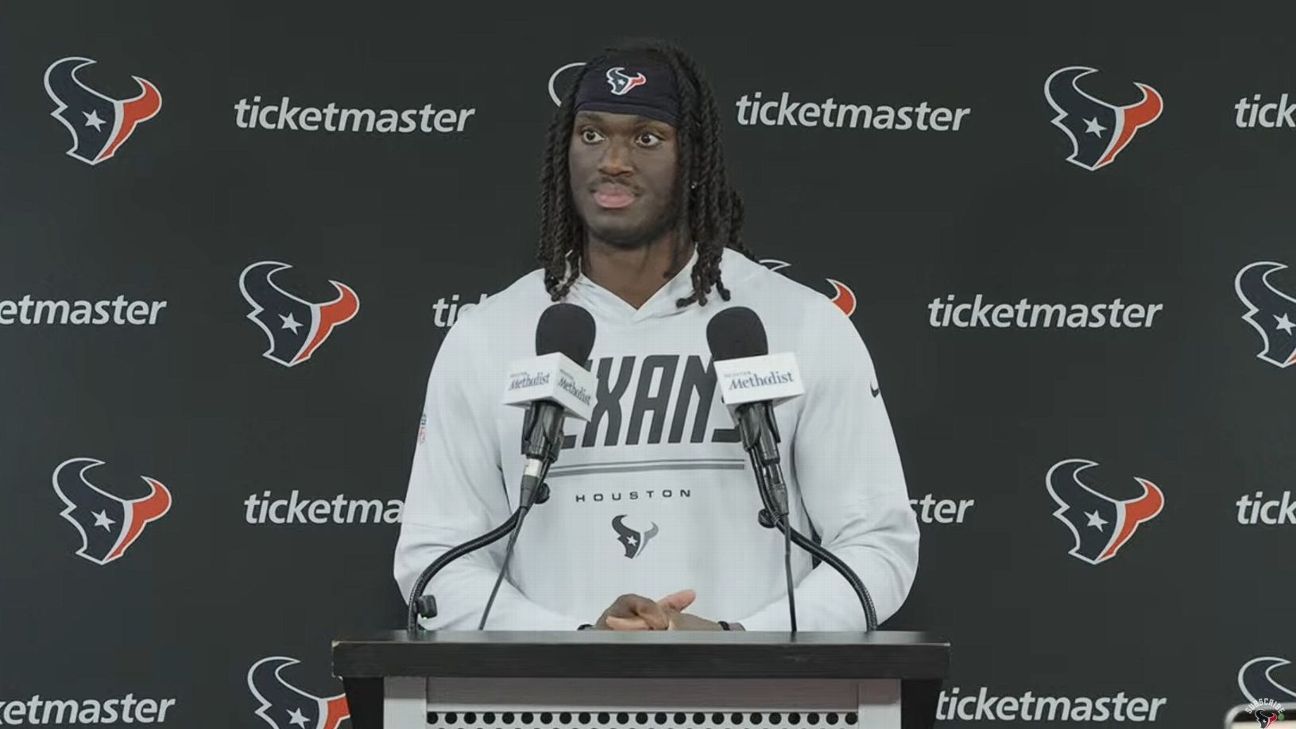
Marvin Harrison Jr. Texans debut: Houston to play him Sunday in London
Marvin Harrison Jr. is set to play for Houston against Jacksonville in London, and the Texans are clearly moving fast. That tells you plenty about their urgency and their plans.