
NFLPA Statement on Jeff Seeman Comments: Cardinals Take Notice
A sideline exchange turned into a labor-relations headache in a hurry.
 Leo Lupo6 min read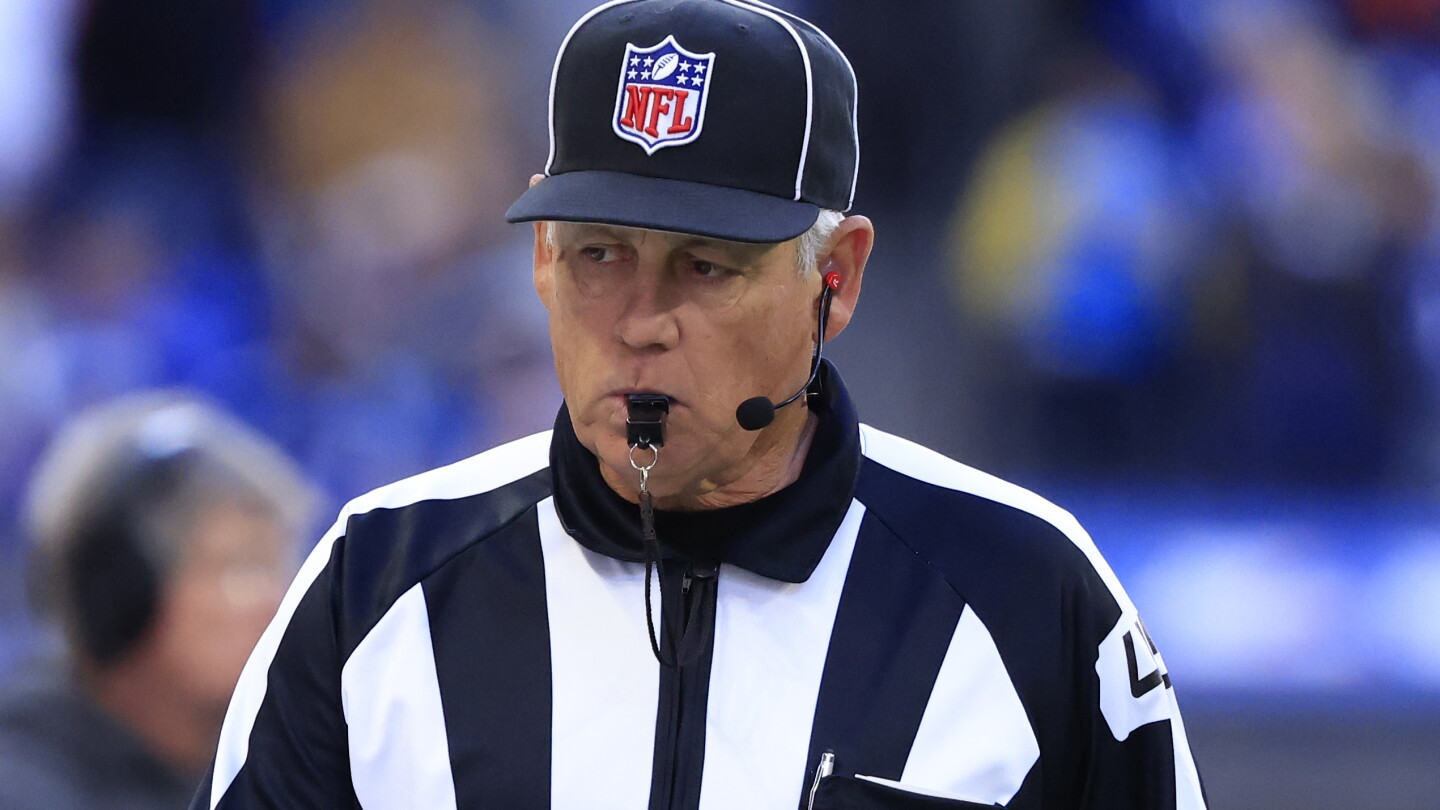
The NFL has survived a thousand Sunday controversies, but it still gets tripped up by the smallest-looking ones. A camera catches a sideline exchange, a union issues a statement, and suddenly everybody’s squinting at a grainy clip like it’s the Zapruder film with shoulder pads. That’s where we are with the NFLPA and line judge Jeff Seeman after his interaction with Trey McBride during the Cardinals and Giants game.
The footage, brief as it was, was enough to light the fuse. The players’ union doesn’t generally go looking for smoke unless it thinks there’s fire nearby. So when the NFL Players Association stepped in with a statement, the message was plain enough: it wants the league to take a hard look at how officials carry themselves when the cameras are rolling and the tempers are already warm.
A sideline moment that turned into a league problem
Football is supposed to have a clear order to it. Players play, coaches coach, officials enforce, and everybody pretends the third piece of that deal isn’t constantly being tested. Then a referee or line judge gets caught in a tense exchange with a player, and the tidy little theory falls apart.
That’s the problem here. It isn’t just about one phrase, one tone, or one look. It’s about how quickly trust gets shredded when an official appears to cross from neutral custodian into participant. The NFL has spent years polishing the image of officiating as if it’s some priesthood above the dirty work. Fans know better. Players know better. A bad day from an official can tilt a game, and a bad look from one can poison the whole afternoon.
The league has enough credibility issues without handing people another reason to think the stripes are freelancing.
Why the NFLPA had to say something
The union doesn’t issue statements for decoration. It’s there to protect the players from a system that too often asks them to swallow the whistle and move on. When the NFL and its officials get sideways with that balance, the players’ side usually keeps score, even if it doesn’t say so out loud.
That’s the real backdrop to this little sideline flare-up. McBride is one of the more important pieces in Arizona’s offense, a big-bodied tight end who matters on third down, in the red zone, and anywhere the Kyler Murray offense needs a sturdy hand. When a player like that is in the middle of a sideline exchange with an official, the union is going to look twice. And if CBS cameras catch it clean enough for everybody to replay, the NFLPA knows it has a public-relations lane to drive through.
This also lands at a time when officials are under a brighter microscope than ever. Every crew is one missed call away from a week of radio outrage, and every public interaction is now fair game for replay, screenshots, and internet detective work. That’s the modern game. Nobody gets the private benefit of the doubt anymore.
In the NFL, a bad look from an official spreads faster than a bad call.
What this says about the officiating climate
Here’s the part the league never likes to admit: officiating doesn’t just affect the box score. It affects the mood of the entire season. Players grumble. Coaches simmer. Front offices file it away. By December, all that residue shows up in every complaint about consistency, accountability, and “the standard.”
That’s why this matters beyond Arizona and New York. If the NFLPA feels compelled to go public over a line judge’s conduct, it’s usually because the temperature around officiating is already rising. And once the union plants a flag, the league has to respond carefully. Ignore it, and you look arrogant. Overreact, and you make the official into a headline.
Nobody inside the league office wants a long public fight over a brief sideline interaction. But the NFL loves its own discipline right up until discipline is directed inward. Then everybody develops amnesia and calls it a misunderstanding.
The comparison that comes to mind is simple: officiating crews are like dinner guests. If they behave properly, nobody remembers them. If they don’t, they dominate the conversation and ruin the meal.
McBride, the Cardinals, and the cost of distraction
For Arizona, this is one more scrap of noise in a season that doesn’t need extra seasoning. The Cardinals are trying to build something real, and that means every possession, every third-down sequence, every red-zone snap matters. Trey McBride is too important a player to become a side plot in an officiating story.
The same goes for the Giants, who can’t afford to spend energy on someone else’s sideline drama either. Teams fighting for traction do not need a referee-adjacent controversy dragging them into the mud. They need clean football, or as close to it as the league can manage, which is to say not very close at all.
I’ve been watching this league long enough to know one thing: the officials are never as invisible as they’re supposed to be, and the players are never as calm as they’re asked to be. That’s the bargain. But the bargain only works if the men in stripes remember they’re not part of the show. The minute they start looking like they are, the whole operation gets sloppy.
I’ll say this straight: the NFL has to treat these moments like more than PR inconveniences. If officials are speaking to players in a way that invites controversy, the league should be quicker, cleaner, and more transparent about it. Not because every clip proves misconduct. Because ambiguity is gasoline in this business.
And let’s not kid ourselves. The union isn’t doing this for manners alone. It’s drawing a boundary. Today it’s a sideline exchange. Tomorrow it’s a pattern. That’s how these things go. The NFLPA knows the league’s history, and so do the players who live under it.
What the league needs to do next
The sensible move is simple: review the exchange, address it internally, and keep the talking to a minimum unless there’s something serious to explain. The NFL is best when it acts like grown folks’ business, though that’s been a losing habit around these parts for years.
If there was nothing improper, fine. Say so clearly and move on. If there was, then deal with it like adults instead of letting the internet build the case from a TV replay and a thousand guesses.
Either way, the league has a familiar job here. Keep the game from turning into a courtroom drama. Good luck with that. But if they can’t manage even that, don’t act surprised when the players’ union keeps stepping in.
This one won’t decide a season. It might not even decide a week. But it tells you something about where the trust sits between the players and the men with the whistles. And in this league, trust is the first thing to go sideways.
Watch the response. That’s where the real story is heading.
More from Straight From The Bench
Comments
Join the conversation — sign in to leave a comment.
Sign in to commentRelated Stories
49ers vs Broncos: San Francisco moves to 4-0 behind Purdy
Brock Purdy kept the offense humming as San Francisco stayed spotless, while Kyle Shanahan’s place in franchise history quietly sharpened the night’s edge.
Panthers Inactives vs. Lions: Jalen Coker Out for Week 4
The Panthers will be short at receiver against Detroit, with Jalen Coker ruled out and Ja’seem Reed called up for depth. Sunday night just got thinner.

Tony Romo CBS settlement: likely to collect most remaining money
Tony Romo’s split with CBS may have ended in private, but the money trail is still very public. The former analyst is reportedly set to collect most of what remained on his deal.