
Nick Chubb Retirement: Browns and Texans Star Ends NFL Run
A bruising runner leaves with grace, and the league feels a little less human without him.
 Beatrice Kensington6 min read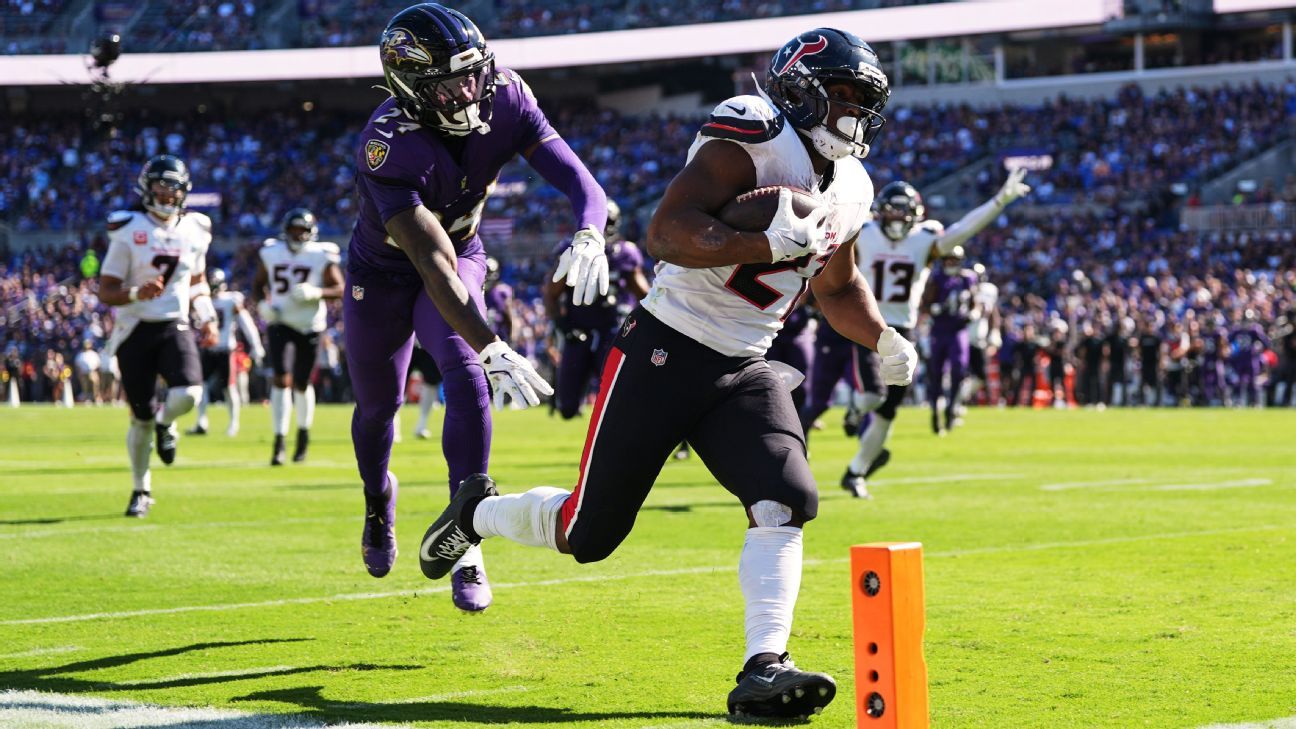
Nick Chubb did not play the game like a man chasing applause. He played it like a man carrying stone uphill, each carry measured, each cut made with the kind of balance that belonged to another era, when the running back was still expected to be a laborer as much as a star. His retirement, announced Friday night after a career that took him from the Browns to a final stop with the Texans, ends one of the most recognizable acts of violence and grace the modern NFL has produced.
He leaves with four Pro Bowl selections, the admiration of peers who understood the rarity of his craft, and the sort of reputation money cannot buy: the feeling that when Nick Chubb got the ball, something honest was about to happen.
The end of a runner built on restraint and force
Chubb was never the loudest player on the field, and that restraint was part of his power. He ran with a compact fury, knees pumping, pads low, legs churning through contact as if gravity were merely a suggestion. In an age of spread formations and passing volume that can make a back feel like a decorative feature, Chubb remained old-fashioned in the best sense. He was the answer to a simple question: what happens when a defense knows what is coming and still cannot stop it?
That kind of runner matters because he changes the emotional weather of a game. A 12-yard burst on first down is not just a statistic; it is a warning. It tells a defense to get ready for a longer afternoon than it expected. It tells a quarterback he can breathe. It tells an offense it no longer has to beg the playbook for mercy.
Chubb’s career also carried a broader truth about the NFL itself: the league will always celebrate speed, but it is still built on collision. There is no soft version of the running back position, no elegant way around the truth that the job demands repeated punishment in exchange for brief bursts of glory. Chubb embodied the bargain and, for a long stretch, seemed to make it look almost sustainable.
What his retirement means for Cleveland and Houston
For the Browns, Chubb was more than production. He was continuity in a franchise life often marked by churn and anxiety. Cleveland fans knew what they were getting when Chubb lined up behind center: professionalism, toughness, and a runner who looked like he was carved from the same weathered material as the city itself. He became one of the team’s most reliable symbols of competence, and that is not a small thing in a place starved for it.
For the Texans, his final chapter was quieter, but no less meaningful. Veteran backs arrive in new cities all the time, usually as insurance policies or stopgaps. Chubb arrived as a living reminder of what running back excellence has historically looked like, even if the body was no longer allowing him to sustain it at the level that once made him a weekly threat. The Texans were not buying a future. They were borrowing history.
This is where Nick Chubb leaves a larger imprint than his stat line can hold. Teams can scheme around age. They can replenish depth charts. They cannot easily replace the credibility a player like Chubb lends to a locker room. Young backs watch how veterans move through meetings, how they handle pain, how they prepare when the spotlight is dim. Those habits seep into a roster like rain through old brick.
Nick Chubb was the kind of back who made you believe in yardage as a moral act.
The human cost behind a career like his
There is a temptation, especially in football, to speak only of durability until the day durability runs out. Then the language grows sentimental. Retirements reveal how thin the line is between admiration and extraction. Chubb spent years giving the sport everything it asked for: contact, balance, patience, fearlessness, and the willingness to keep returning to the pile. That commitment creates highlights, yes. It also leaves a body with a history written in bruises.
The league has become more efficient, more scientific, more careful with language around injuries, and yet the running back remains the position most likely to be treated as replaceable once the mileage climbs. Chubb’s farewell arrives with an uncomfortable honesty about that reality. There are players who are celebrated for how high they can rise. He was celebrated for how much punishment he could absorb while still rising again.
I have always believed there is a moral seriousness to great runners, and Chubb was among the clearest examples of it. He was not an improviser trying to dazzle from the edge of the frame. He was a craftsman. The discipline of that style is easy to overlook because it does not shout. It grinds. It insists. It accumulates.
And perhaps that is why his retirement lands with more weight than a typical roster note. It marks the departure of a player who reminded us that football is not only about invention; it is also about repetition, about choosing the same hard path and trusting your feet to find daylight one more time.
What the league loses when backs like Chubb leave
The modern NFL has plenty of spectacle. It is short on ballast. Chubb supplied ballast. He gave offenses a spine and fans a reason to lean forward on second-and-4. His presence made games feel less disposable, more rooted in the old argument that football ought to be won, at least partly, by who can impose will at the point of attack.
That is why his retirement belongs in the same conversation as other recent exits that have quietly thinned the league’s stock of familiar, bruising stars. We have seen this drift for years, and Nick Chubb’s retirement is another marker on that road. The backfield heroes of one generation are becoming archival figures, their style preserved in memory even as the sport keeps moving toward lighter feet and faster throws.
Beatrice Kensington’s view: the league should not mistake this for nostalgia alone. It is a warning. When a player as accomplished and as respected as Chubb chooses the door, the NFL loses not just a producer of yards, but a kind of football language. The game can survive without it. It will be less interesting for that, and a shade less stern in the bargain.
There is a tenderness to the way some careers end, and Chubb’s feels like that kind of ending. Not tragic. Not theatrical. Just complete.
The league will keep running. The whistles will come, the cuts will sharpen, the next back will emerge with fresh legs and a clean jersey. But there will be a small, stubborn absence in the middle of it all, the sort you notice most when a defense has stacked the line and the only thing left is a runner who can make a hard truth look inevitable.
More from Straight From The Bench
Comments
Join the conversation — sign in to leave a comment.
Sign in to commentRelated Stories
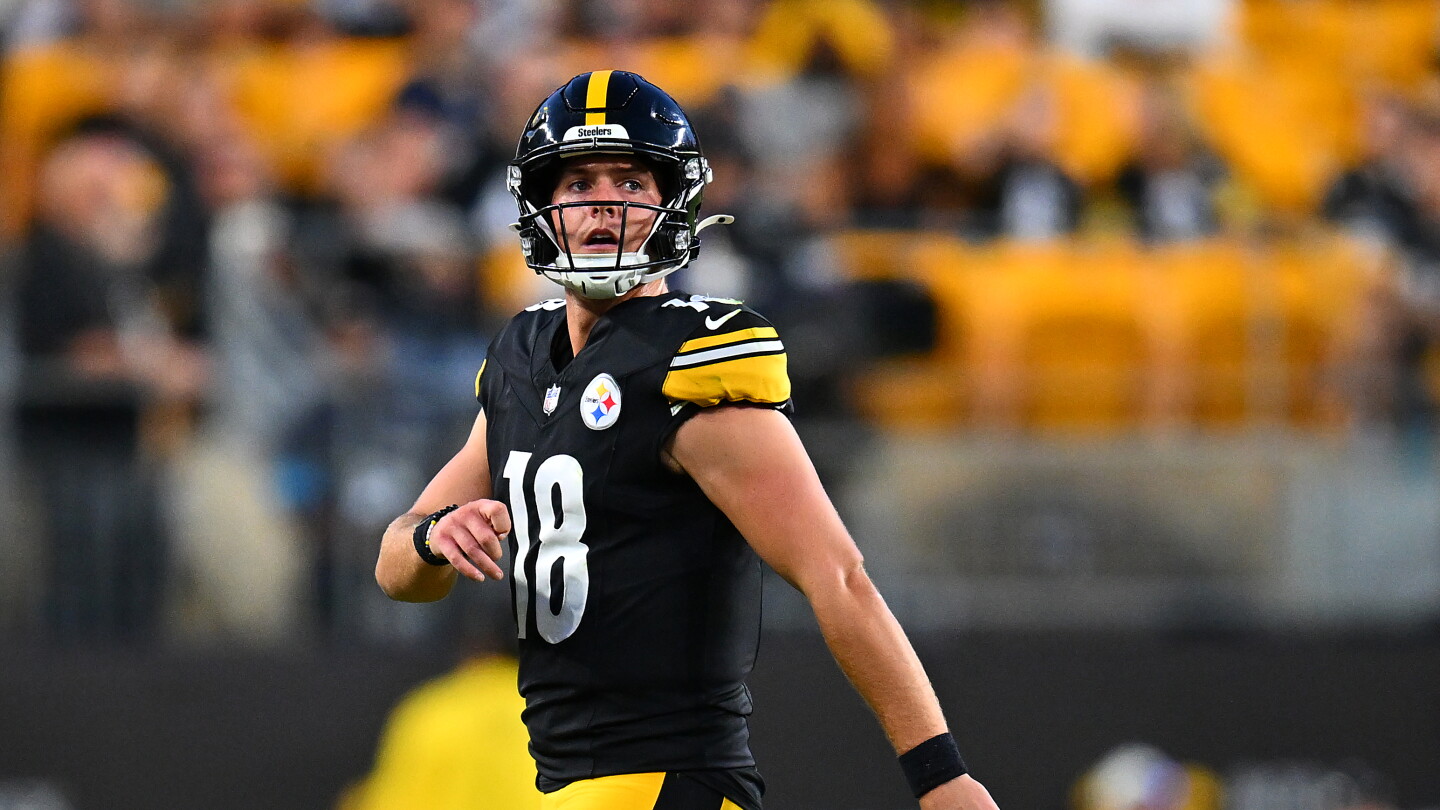
Will Howard roster spot: two interceptions put Steelers QB battle on edge
Will Howard’s two interceptions arrived at the worst possible time, with the Steelers’ quarterback pecking order still unsettled. A crowded room can clear quickly when the ball starts finding the wron
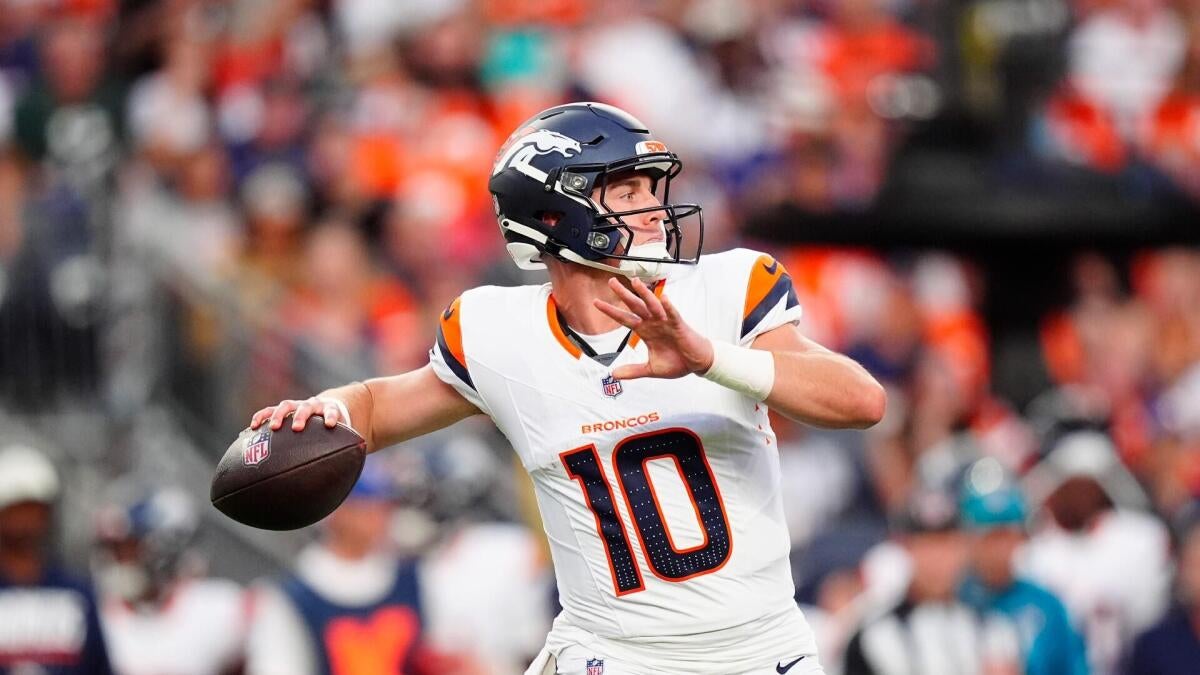
NFL Preseason Week 2: Bo Nix Shines, Fernando Mendoza Struggles
Bo Nix looked sharper in Denver, Fernando Mendoza had a rougher night, and the preseason’s strange little hierarchy is starting to harden.

Packers vs Broncos Preseason: Trey Smack Keeps Kicking
The Packers handled the Broncos in preseason play, and Trey Smack kept stacking clean kicks. That’s the kind of detail coaches actually keep.