
Packers WR Jayden Reed Neck Surgery: season-ending blow
Green Bay loses a top separator, and the ripple effects are immediate.
 Zane Miller4 min read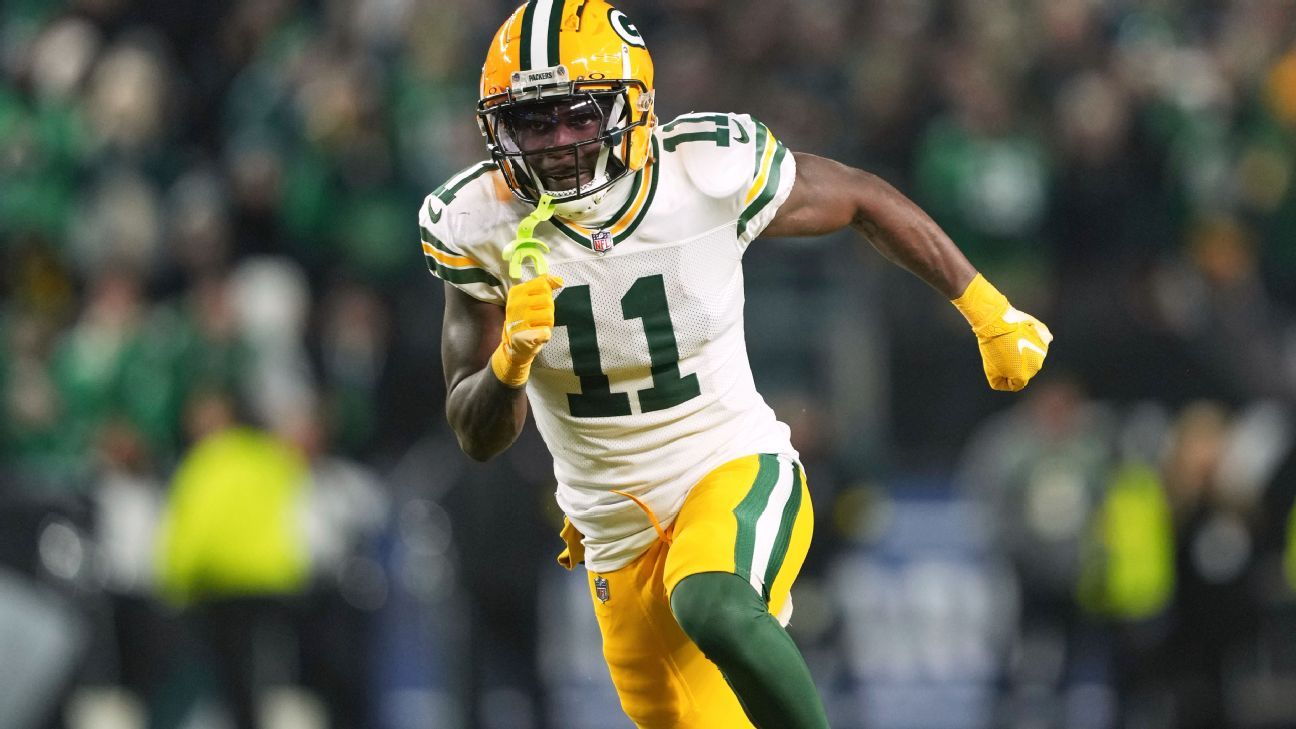
Green Bay just lost one of the cleanest separators in its receiver room, and the timing is brutal. Jayden Reed is headed for season-ending neck surgery and will go on injured reserve, Matt LaFleur confirmed Wednesday. That’s not a tweak, not a week-to-week thing, not the usual November roster churn. That’s a real hit to the structure of the offense.
Reed got hurt in Week 2 and Green Bay had been waiting for the medical picture to settle. Now it has. And the answer is the one teams dread: the season is done, the depth chart gets reshuffled, and the Packers have to figure out how to replace a receiver who does a little bit of everything without needing the ball drawn up in crayon.
Reed’s absence hits more than the box score
This is where injuries start messing with design, not just production. Reed isn’t just a stat line. He’s the guy who can stress nickel corners, work underneath, and turn a routine first-down throw into a drive-sustaining play. Lose that, and you don’t simply lose targets. You lose flexibility.
That matters in Green Bay because this passing game already lives on timing and spacing. The Packers have been trying to build an attack that forces defenses to pick their poison, and Reed is one of the players who makes that possible. Without him, the margin gets thinner fast.
It also changes how opponents will defend them. Defenses can crowd differently when they don’t have to account for Reed’s motion, quickness, and ability to win in the intermediate layers. That puts more pressure on the other receivers to win on schedule and stay healthy themselves. In the NFL, that’s always the part people skip over until it becomes the headline.
Green Bay’s receiver room now gets tested
This is where roster construction gets exposed. Every front office thinks it’s one injury away from proving its depth plan is real. Then the injury hits and everybody finds out whether the “next man up” group was built for October football or just sounded good in August.
The Packers don’t need a miracle. They need answers. Someone has to soak up the snaps, and someone else has to handle the jobs Reed handled from formation to formation. That can mean more targets for the top of the depth chart, more responsibility for the slot and motion packages, and more pressure on Jordan Love to keep the offense on schedule even when the routes are less varied.
That’s the hidden cost here. A team can survive losing one receiver’s catches. It’s harder to survive losing the receiver who makes the whole thing feel coordinated.
Reed’s injury doesn’t just thin the Packers — it changes how defenses can game-plan them.
Why this stings in a season built on margins
The NFL is not a league where teams get to shrug off this kind of loss, especially not a contending team that wants to stay dangerous in the middle of the schedule. Every offense has its fragile points. Green Bay just found one of theirs.
Reed had become the kind of player who helps keep a system humming even when the game turns sloppy. Those players are gold because they don’t need perfect conditions. They create a little order in the mess. Take that away and the offense has to lean harder on timing, route precision, and whoever is healthy enough to step into space.
I’ve covered enough of these roster gut-punches to know the pattern. Teams always say they like their depth until they actually need it. Then the truth comes out in a hurry. If the Packers are going to keep their offensive identity intact, this is where the coaching staff earns its money. Not with a speech. With a plan.
And that’s why this feels bigger than one receiver. Reed was part of the connective tissue. The Packers can survive without a lot of things. They’re going to have to prove they can survive without that.
The next move belongs to LaFleur and the offense
The decision tree now gets a lot narrower. Green Bay has to redistribute touches without turning the whole passing game into a panic drill. That means simplifying where necessary, leaning into matchups where available, and trusting the quarterback-receiver chemistry that’s already in place.
It also means the coaching staff has to be honest about what Reed’s role covered. There’s a difference between replacing a player and replacing what a player allows the rest of the offense to do. The Packers are chasing the second part now.
For a team that wants to hang around the upper tier in the NFC, this is the kind of injury that can quietly alter a season if it isn’t handled cleanly. Not dramatic. Just cumulative. One missing piece leads to one less answer, which leads to one more obvious tendency for defenses to attack.
Green Bay has a real test in front of it now. The receiver room gets reworked, the playbook gets tighter, and the spotlight shifts to who can absorb Reed’s job without the offense losing its edge. That clock starts now.
More from Straight From The Bench
Comments
Join the conversation — sign in to leave a comment.
Sign in to commentRelated Stories
Mike Vrabel Drake Maye Report: Patriots tension gets swatted down
Mike Vrabel brushed off talk of friction with Drake Maye, and the bigger story is what the Patriots are trying to protect: their reset, their quarterback, and the room around him.
Commanders Sonny Styles Defensive Player of the Week: a rare honor
Sonny Styles’ first defensive player of the week honor lands like a quiet trumpet note for Washington. It also ends a long drought for a franchise that has spent too much time chasing respect.

Justin Boone Trade Value Charts: Week 4 RBs for Fantasy Owners
Week 4 trade values give fantasy managers a cleaner read on the running back market. The trick isn’t buying talent — it’s buying touches, volume, and timing.