
Payton Talbott Farid Basharat Beef: UFC Cut Sparks War of Words
A bantamweight release turned into a public squabble, and nobody in that weight class looks especially dignified.
 Beatrice Kensington6 min read
A cut that did more than clear roster space
Farid Basharat’s departure from the UFC should have been the kind of transaction that vanishes into the machinery of fight business: a roster move, a handshake lost in the churn, the sort of decision that makes room for the next prospect and is forgotten by the weekend. Instead, it has found a second life in the one place where modern combat sports never truly let anything die — the public square.
Now Payton Talbott is in a war of words with a recently cut UFC bantamweight, and the noise says as much about this division as it does about either man. Bantamweight has always been a crowded, sharp-elbowed neighborhood, full of athletes trying to separate themselves by inches and moments. When tempers flare, they rarely stay personal for long. They become status claims.
That is what makes this little dust-up matter. It is not merely a feud between names on a screen. It is a fight over standing, over who gets to act like the division still belongs to him.
Talbott’s name is starting to carry weight
Talbott has the look of a fighter whose ceiling is being discussed before his floor is fully understood. That is flattering, of course, but it is also dangerous territory. Once a young bantamweight starts getting attention, every comment, every stare-down, every stray insult can be translated into momentum or arrogance depending on who is holding the pen. In that sense, Basharat has offered Talbott a small but useful mirror.
For a prospect, the temptation is always to treat every exchange as proof of arrival. Don’t. The UFC has a long memory for the fighters who confuse noise with progress. The athletes who last are usually the ones who learn to let the volume rise around them without reaching for it too quickly.
Basharat, for his part, remains a fighter with the peculiar leverage of the recently removed. A cut does not erase a résumé; it changes the tone of the conversation. He no longer speaks from the inside of the machine, yet he still knows how the machine thinks. That makes him a prickly sort of exiled voice, and prickly voices can still draw blood in this sport.
The bantamweight class runs on old grudges and fresh ambition
If you want to understand why this exchange landed, look at the division itself. Bantamweight is built on speed, pressure and ego, a place where one clean exchange can make a contender and one flat performance can send a promising name sliding into the crowd. It is no accident that so many feuds in this class feel intimate. The margins are tight enough that fighters begin measuring each other before the bell ever rings.
There is also a cultural reason these disputes carry a little extra voltage. In the age of the clipped quote and the reposted jab, fighters are encouraged to brand themselves in real time. A measured athlete can be mistaken for a timid one; a loud one gets rewarded with attention that can outlive actual achievement. The line between promotion and self-parody grows thinner every year.
In today’s UFC, a feud can buy you relevance faster than a ranking can.
That is the grim little bargain underneath this episode. Basharat may be out of the promotion, but he has still succeeded in dragging Talbott into a conversation that will be noticed. Whether that helps Talbott depends on what happens next. Fighters can gain visibility by speaking up, yes. They can also become trapped in a cycle where every exchange is treated as a substitute for the work itself.
What this says about how fighters survive now
I’ve covered enough combat sports to know that the most revealing thing in these moments is often not the insult but the instinct behind it. Some fighters treat a public slight like a dare; others treat it like a trap. The smart ones usually do neither. They recognize the modern fight game for what it is: a brutal competition layered with theater, and the theater can sometimes swallow the athlete if he leans too far into it.
My own view is that Talbott should be wary of letting Basharat set the emotional terms here. That is not because Basharat is irrelevant — he isn’t, not in a division this thin — but because the cut fighter always has a different kind of freedom. He can jab, sneer, and provoke without paying the immediate cost of a camp, a contract, or a next opponent already waiting in the gym. The active fighter has to live with tomorrow.
I have always thought the most dangerous moment for a rising bantamweight is the one just after he begins believing his own hype. Not because confidence is bad. It isn’t. But confidence can turn to static very quickly, and static is where bad decisions breed. The fighters who endure are the ones who keep one eye on the mirror and the other on the clock.
This particular squabble also exposes something the UFC rarely says out loud: roster status shapes public dignity. Once a fighter is cut, every line he throws in public comes preloaded with resignation or resentment. Sometimes both. That gives the exchange a slightly bitter aftertaste. Talbott is still climbing; Basharat is trying to remain visible. They are no longer arguing from the same place, and the audience can feel it.
What to watch before the next bell
The next step is simple, even if the personalities involved will try to make it look complicated. Does Talbott answer with restraint and keep his focus on his own campaign, or does he spend energy on a man the promotion has already moved past? Does Basharat settle for a final parting shot, or does this become a longer campaign of remaking himself in the court of public opinion?
The smart money is on the sport doing what it always does: moving on, then circling back if one of these names wins enough to force the issue. That is the hard truth of MMA. Today’s argument is tomorrow’s footnote unless the cage gives it a sharper shape.
For now, though, the message is plain. Talbott has drawn a line of attention he did not ask for. Basharat has found a way to remain in the conversation. And bantamweight, as ever, has turned a small spark into something worth watching.
The next response will tell us whether this was noise or a warning.
More from Straight From The Bench
Comments
Join the conversation — sign in to leave a comment.
Sign in to commentRelated Stories
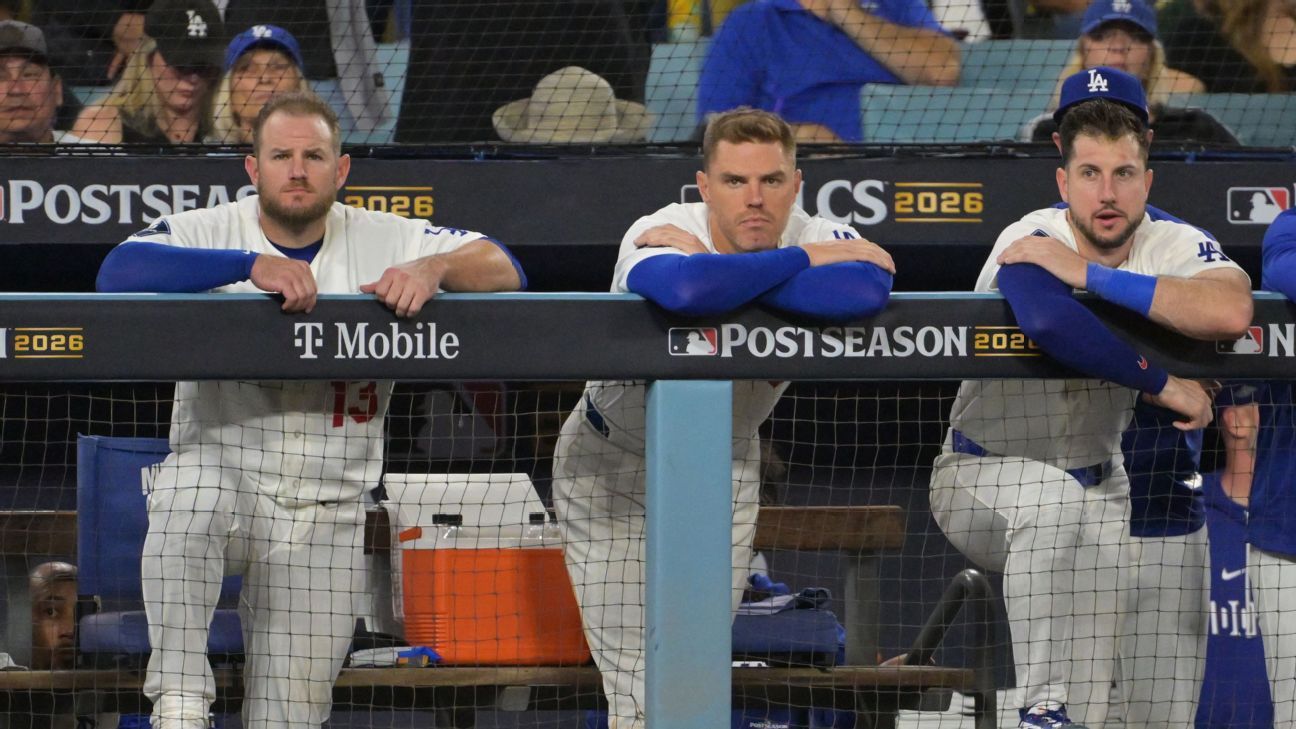
Dodgers vs Brewers NLCS Sweep: L.A.'s Repeat Bid Ends
The Dodgers’ three-peat chase ended in a 6-4 NLCS loss, with Milwaukee leaving no easy alibis behind. This was less a collapse than a clear-eyed lesson in October pressure.

Bo Nix Night: Ryan Fitzpatrick Blasts Broncos Offense
Denver beat the defending champs in overtime, but the Broncos’ offense left plenty to shred. Ryan Fitzpatrick said the quiet part out loud.
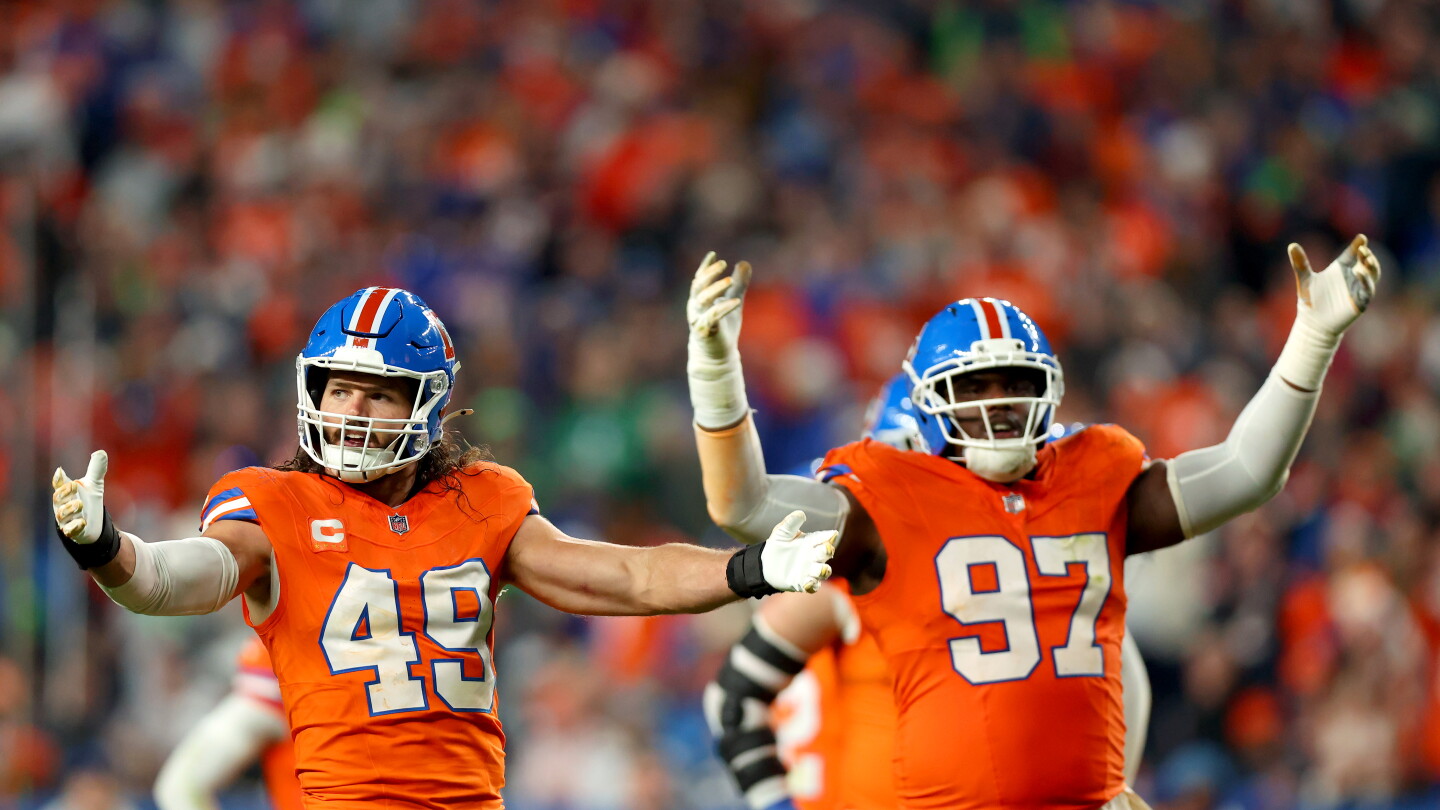
Broncos vs Seahawks: Denver survives overtime scare 17-14
Denver blinked late, but Wil Lutz bailed it out in overtime after a Ja'Quan McMillian interception. The Broncos still own a stubborn home streak, and the Seahawks left another one behind.