
Penn State coaching search: Franklin firing becomes a warning
The grass looked greener. Turns out it was just a mess with better lighting.
 Leo Lupo6 min read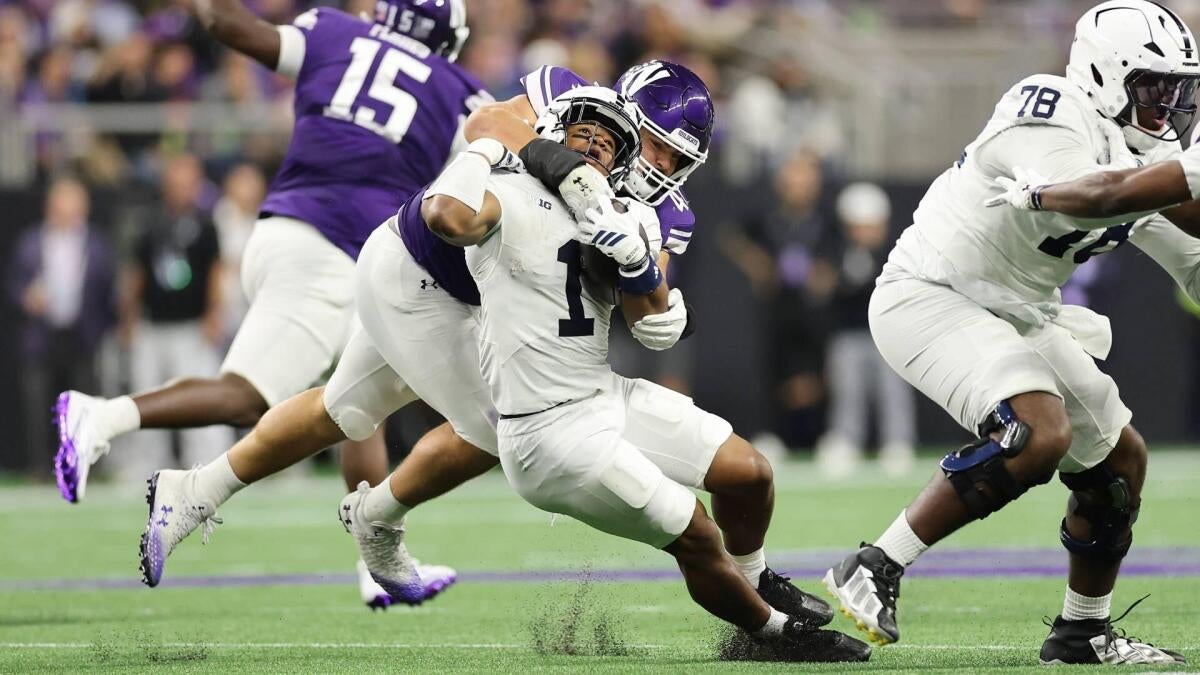
Penn State thought it was making a clean, ruthless football decision. Cut loose a coach, chase the next level, and join the grown-up table with the Ohio State Buckeyes and the Georgia Bulldogs of the sport. Instead, the Nittany Lions turned a hard break into a long, noisy reminder that firing a good coach is the easy part. Living with the aftermath is where the bill comes due.
The whole thing has the smell of one of those athletic department bets made by people who confuse motion with progress. James Franklin wasn’t perfect. Nobody serious is trying to frame him as some untouchable cathedral saint. He had his limits, and everybody in Happy Valley knew the pain points by heart: the same old ceiling, the same old questions in the biggest spots, the same old complaints from a fan base that can sniff out a November flop from three counties away. But there’s a difference between being tired of a coach and being prepared for life after him.
Penn State didn’t just fire a coach. It opened the trapdoor and forgot to check what was underneath.
The search that was supposed to be a climb turned into a crawl
This is the part folks never want to hear. Coaching searches are not clean corporate transitions. They’re half horse-trade, half funeral. The louder the fan base screams for change, the fewer people seem to ask the most basic question: change to what, exactly?
Penn State had a brand, a stadium that shakes the earth, and a recruiting footprint that still matters. That’s not nothing. But the college game doesn’t hand out trophies for being prestigious in October. It rewards schools that know who they are and build accordingly. The trouble is, a lot of big programs think a new coach is a magic key. One turn and the door swings wide. Usually it’s a busted lock and a doorknob in your hand.
The Nittany Lions’ messy search and the stumble out of the gate under new leadership have only sharpened the point. Fans wanted a leap. They got a slog. That’s how these things go when a program fires into the dark and assumes the next name on the board will somehow solve the old problems, the locker room tension, the roster churn, and the impossible expectations all at once.
Firing a coach is easy. Building a better program is the expensive part.
Why the Franklin era should have taught a little patience
There’s a reason this story keeps repeating itself around college football. Stability has value, even when it comes with warts. James Franklin) gave Penn State a level floor. That matters. It matters for recruiting. It matters for culture. It matters when the wheels start wobbling in late October and the sport’s bloodthirsty little news cycle starts sharpening its knives.
Franklin’s Penn State always lived in that awkward zone between “good enough to matter” and “good enough to trust.” That is a brutal place for any coach to stand. Win 10 games and folks say you should have won 11. Lose two and the pitchforks come out. But if your idea of progress is to reset the whole operation every time the season gets sticky, don’t be shocked when the replacement doesn’t land like a savior.
A lot of schools like to believe they are one coaching move away from elite status. Most aren’t. Some are just one wrong move away from spending two years explaining themselves to donors, parents, and recruits who suddenly discovered the transfer portal has better hospitality.
And yes, the portal changed the math. So did NIL. So did the way agents whisper into phone calls before the season even ends. That’s why these firings have gotten more dangerous. In the old days, you might lose a class or two and call it a rough patch. Now the roster can start melting before the new coach has even found the coffee machine.
Matt Campbell’s start and the cold lesson in expectations
Under first-year coach Matt Campbell, Penn State is 3-2, and that alone ought to stop everybody in their tracks. Not because three wins and two losses is some grand collapse. It isn’t. But because it is a decent little snapshot of reality. A proud program doesn’t fire a longtime coach and instantly become more dangerous. It usually becomes more fragile.
That’s the lesson the hot-heads never want to absorb. They want the immediate payoff. They want the shiny offensive system, the new energy, the viral intro video, the idea that the next guy will somehow bring the old place back to life and then improve it on top of that. College football is full of expensive illusions like that.
Matt Campbell has a hard road in front of him, and that’s not all on him. New coach. New expectations. Old baggage. It’s a bad combination if the administration hasn’t lined up the support, patience, and roster continuity to match the ambition. Too many schools fire the previous guy with a parade in their heads and then act surprised when the replacement inherits a cracked foundation.
I’ve seen this movie for decades. Different uniforms, same bad ending. A big-name program gets restless, mistakes dissatisfaction for vision, and decides the cure is to burn the whole thing down. Then they spend the next season trying to explain why the ashes don’t recruit.
Here’s my read: Penn State didn’t expose a unique failure so much as it exposed the sport’s favorite delusion. Too many people believe elite status is a switch. It’s not. It’s a stack of decisions, and one bad one can knock the whole pile sideways.
What this means for the next school itching to make the same move
Every fan base has the same fantasy during the bad stretches. Fire the guy. Start over. Clean break. Fresh energy. And sure, sometimes it works. Lane Johnson retirement talk hits different because in pro sports you can at least point to a known replacement plan, a salary cap, a defined structure. College football is messier. You can lose your coach, your quarterback, and half your defensive two-deep before breakfast.
That’s why Penn State should be studied, not mocked. This isn’t about one program deserving its headache. It’s about the rest of the sport learning something from it. If your school has no clear succession plan, no roster retention strategy, and no realistic idea of what “better” actually looks like, then firing a coach is just public relations with a chainsaw.
The smarter schools wait until the right opening. The impatient ones chase headlines. There’s your gap. That’s the difference between a program building toward something and a program reacting to its own noise.
Penn State wanted elite. Instead it got a lesson in how thin the line is between ambition and self-inflicted damage. The next coach, the next search, the next big promise — all of it starts with that uncomfortable truth. The green grass usually has weeds.
And this one’s got a few deep roots.
More from Straight From The Bench
Comments
Join the conversation — sign in to leave a comment.
Sign in to commentRelated Stories
Missouri OL Johnnie DJ Jones Heart Transplant: Tigers Face Reality
Missouri freshman lineman Johnnie “DJ” Jones is hospitalized in Florida and needs a heart transplant. The football story is real, but the human story is bigger.
Michigan Zack Marshall apology: OC Jason Beck criticism fallout
Michigan tight end Zack Marshall has apologized after messages tied to a leaked group text criticized offensive coordinator Jason Beck. The damage here is bigger than one awkward note.
College Football Playoff Prediction: bubble survives Week 5
Week 5 was supposed to shake the tree. Instead, the top of the playoff race held mostly firm, and the bubble is still crowded.