
Pete Fairbanks Thoracic Outlet Surgery: Marlins Face Closer Void
Miami’s bullpen just lost its safety net, and the timing is brutal.
 Zane Miller6 min read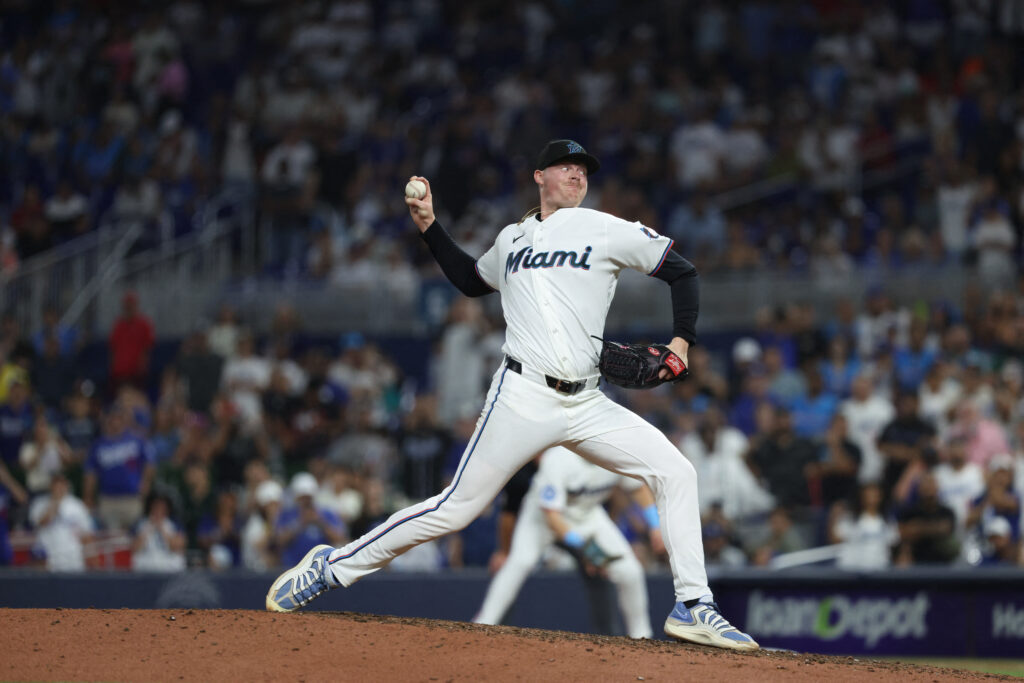
The Marlins didn’t just lose a closer. They lost the guy who stabilizes everything behind him.
Pete Fairbanks is set for thoracic outlet surgery, and that’s the kind of news that changes a bullpen’s entire operating plan. This isn’t a tweak, a maintenance stop, or a clean return timetable. It’s a significant operation for a pitcher whose value lives in the highest-leverage outs on the board. For Miami, that means the ninth inning just got a lot less predictable, and probably a lot more expensive in terms of stress, matchups, and roster churn.
A brutal ending for Miami’s late-inning structure
Fairbanks has been the sort of reliever front offices love to think they can replace until they actually have to do it. Power arm, closer experience, late-count presence. The stuff plays. The role matters. And in a season where bullpen health already looks like a weekly inventory check, losing the back-end anchor is a problem that ripples outward fast.
Thoracic outlet surgery is not a normal IL stint and it’s not something teams shrug off in March or May. It’s the kind of phrase that immediately changes how executives talk about the player: no more day-to-day language, no casual optimism, just recovery timelines and risk management. For a club like the Marlins, that matters even more because there usually isn’t a pile of veteran relief depth waiting in the wings. You patch holes. You don’t usually inherit solutions.
Miami now has to decide whether to re-rank its leverage arms or let the ninth inning become a committee. Either choice comes with tradeoffs. Committees can work, but only if the rest of the bullpen is stable. Right now, that’s not exactly the profile here.
What this means for the Marlins’ roster math
This is where the business side of baseball kicks in. A closer injury doesn’t just cost innings; it changes the way a front office values the rest of the staff. The seventh and eighth inning become more important. Matchup relievers get pushed into bigger spots. A middle reliever who was supposed to throw low-leverage frames suddenly becomes a high-wire act.
The Marlins have already had to manage a season that feels like it’s been held together by tape and timing. If you’re following the club, you already know how fragile these builds are. One injury can force three other roster decisions. That’s especially true in a bullpen, where a single unavailable arm can shift roles up and down the board in a hurry.
Fairbanks’ absence also tightens the margin on every lead. One-run games become a little more nerve-wracking. Extra-inning games become a little uglier. And the trade market gets louder, even if the asking price for proven late-inning help is usually steep. Teams never love paying for bullpen certainty, but they hate losing it even more.
If you want a clean comparison for what a front office nightmare looks like, think about how quickly a club can go from stable to scrambling. We’ve seen that kind of ripple effect before, and it’s why the bullpens around the league are always one bad medical update away from a rewrite. The Marlins are now in that rewrite stage.
Anthony Bender’s injury adds another layer of mess
The Fairbanks news would be enough on its own. But the fact that setup man Anthony Bender is also headed for surgery turns this from a problem into a full-on bullpen identity crisis.
That’s the real punch here. It’s one thing to lose a closer and reshuffle the last three outs. It’s another to lose the guy who should have been stepping into the biggest bridge work before the ninth. That’s a two-tier hit to the leverage chain. And once that chain breaks, managers start using pitchers out of role just to survive the week.
This is how a bullpen goes from strength to emergency room in one bad stretch.
For Miami, the practical question now is less about who closes and more about who is still available to get the game to someone who can. That’s a much uglier conversation, and it’s the one that tends to expose whether a roster was built with enough depth or just enough hope.
I’ve always thought the most overrated phrase in bullpen planning is “next man up.” That sounds neat when everyone is healthy and the spreadsheet looks balanced. In real life, the next man up is often a guy with a different release point, a different workload history, and a different idea of what his role should be. You can survive that for a week. You don’t want to live there.
The Marlins are now staring at that reality. Fairbanks was supposed to provide order at the end of games, and Bender was supposed to help form the bridge to it. Losing both doesn’t just thin the pen. It changes the strategy.
The bigger takeaway: bullpen volatility is costing clubs real games
This is where the league-wide lesson lives. Bullpens are supposed to be flexible, but flexibility can become fragility in a hurry. Every team talks about leverage, matchups, and depth until a couple of arms go down and suddenly the entire late-game structure looks improvised.
That’s why this Fairbanks surgery matters beyond Miami. The market for relievers is always unforgiving because teams know how replaceable most bullpen innings are and how irreplaceable the high-end ones are. A closer with legitimate swing-and-miss stuff isn’t just another arm. He’s insurance against chaos. When he’s gone, the club pays for it in close games, lineup matchups, and probably a little clubhouse calm too.
If the Marlins had any illusion that they could coast through the rest of the season with the same late-inning formula, that’s out the window now. They need answers, and they need them from inside the room unless the front office wants to shop for relief help in a market where everyone knows the buyer is desperate.
For more on how Miami has been trying to patch things around the margins, the Heat’s Pelle Larsson extension shows the same kind of roster-value thinking: lock in what you can before the board shifts again.
And if you want another example of how quickly an injury update can scramble a team’s planning, look at Aaron Judge’s latest calf situation. Different sport, same pain: when the centerpiece is compromised, everyone else gets asked to do more.
Miami’s next move will tell you whether this is a short-term survival project or the start of a deeper bullpen overhaul. Either way, the ninth inning just got a lot harder to trust.
More from Straight From The Bench
Comments
Join the conversation — sign in to leave a comment.
Sign in to commentRelated Stories
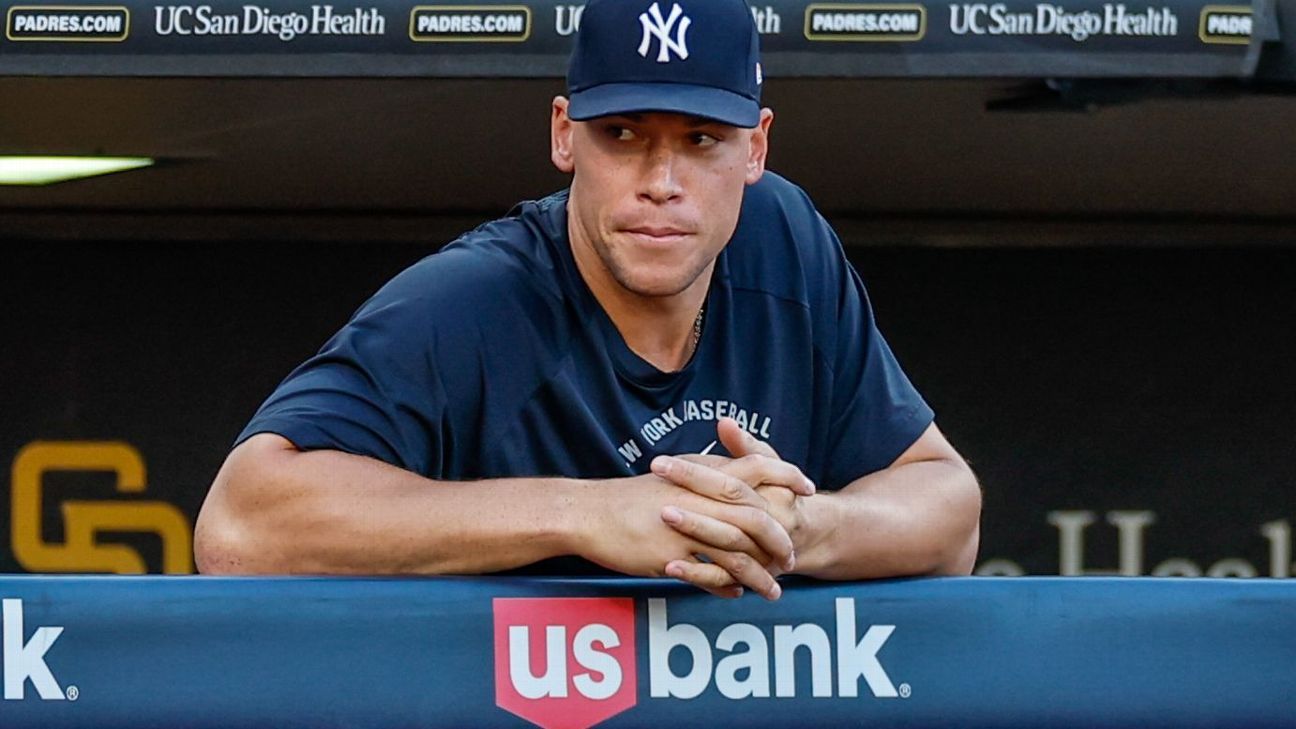
Aaron Judge Injury Update: Yankees Fear Another Calf Setback
Aaron Judge is headed back to the injured list with a right calf strain, and the Yankees are suddenly staring at October with no guarantee their best bat will be there.
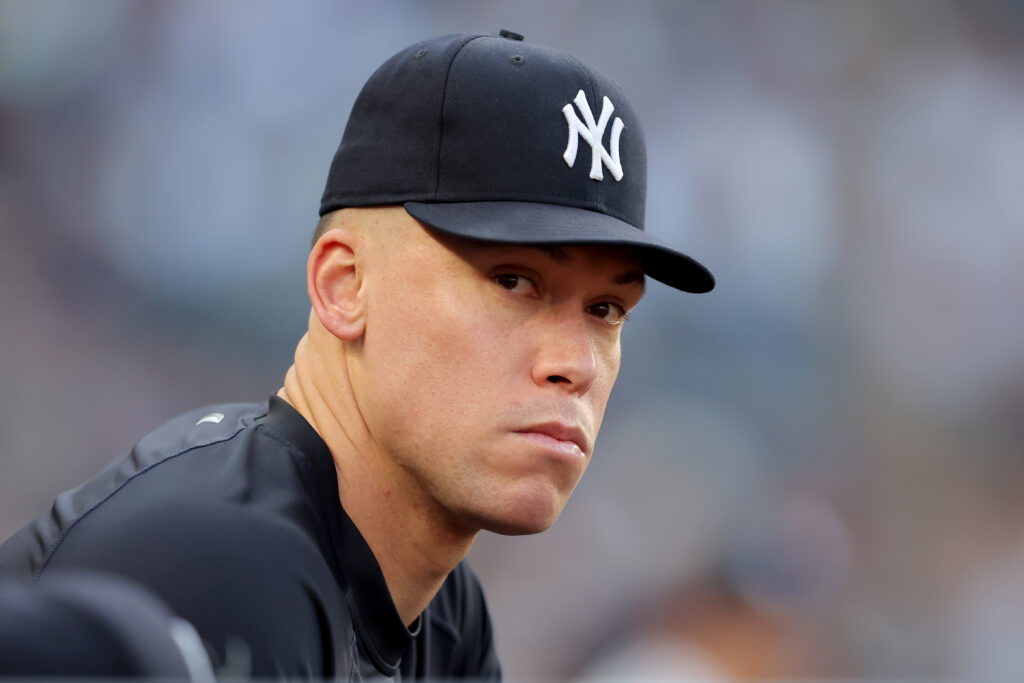
Yankees Aaron Judge IL Update: Calf Strain Sends Captain Back
Aaron Judge is headed back to the injured list with a right calf strain, another blunt reminder of how fragile New York’s margin really is.
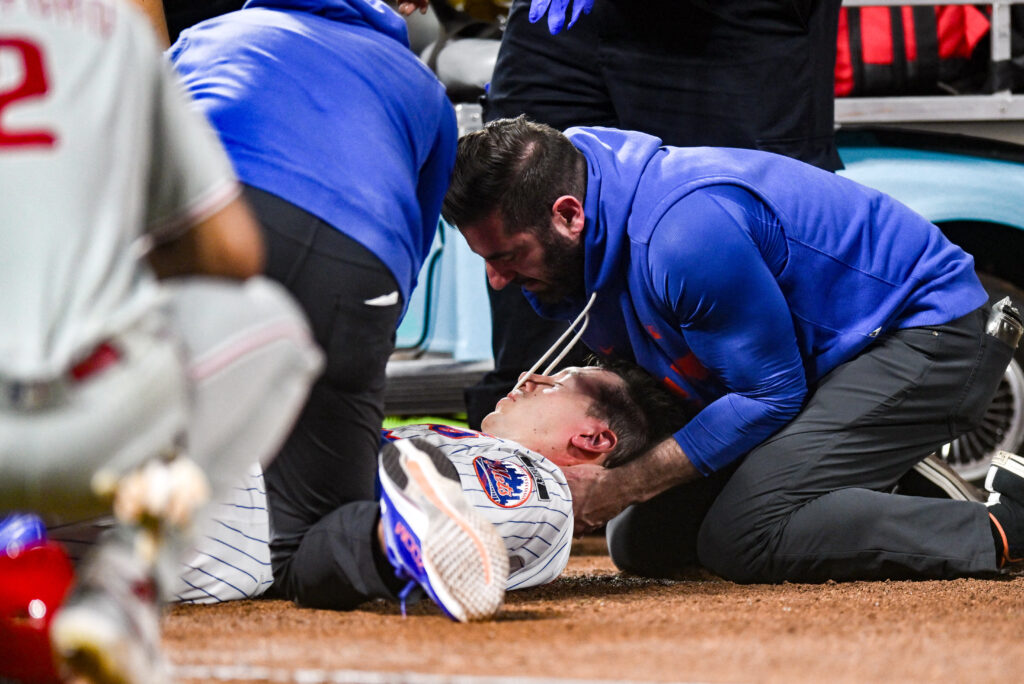
Jared Young Injury Update: Mets First Baseman Has Full Movement
Jared Young has full movement in his extremities after Thursday’s injury scare, but the concussion symptoms are the real story now. For the Mets, it’s a health win with a roster question looming.