
Phillies Kick the Ball Around: Fifth Spot Woes Deepen
A night that begged for competence and got calamity instead.
 Beatrice Kensington6 min read
The Phillies did not lose this game in one dramatic lurch; they surrendered it in small, ordinary humiliations, the kind that pile up quietly until the scoreboard tells the full, ugly story. Tim Mayza and Brian Keller gave them enough of a bridge to cross, and still the club walked off the wrong side of it, dragged under by defensive sloppiness and an offense that might as well have left town early.
This was not simply a bad night. It was the latest installment in a stretch that has begun to feel like a stain. The Phillies came out of the All-Star break needing ballast and instead found drift. They have been trying to steady themselves after a rough run, and the margin for those fifth-rotation nights — the games that should feel like a release valve, not a referendum — is shrinking by the day.
A fifth-starter night turns into a test of nerve
There is a particular fragility to the back end of a rotation, a sense that every inning is being negotiated rather than owned. That is where this game lived. Mayza and Keller were asked to keep the seat warm, to hand the baton to the more trusted arms without drama. They did. The problem was everything around them.
Baseball has a way of exposing the softest fibers in a roster. A ball not handled cleanly. A throw a half-step late. An at-bat that ends with the sort of meek contact that leaves no imprint. One mistake invites the next. Before long, a game that should have remained manageable starts looking like one of those old houses with the foundation giving way in plain sight.
The Phillies have spent enough money and enough years building toward October to know that they are not judged only by the heroic nights, the walk-offs, the deep October-posture wins that flatter a club's self-image. They are judged by whether they can absorb a sloppy inning and survive it. On this night, they could not.
The defense made the loudest noise
Defensive errors have a special cruelty because they do not merely cost outs; they change the emotional weather. Pitchers pitch tighter. Infielders start setting their feet a little more gingerly. The dugout, once hopeful, goes still. Nothing about the box score feels more deflating than a game that slips because the club could not complete the ordinary tasks that define professional baseball.
That is what made this loss so corrosive. The Phillies were not beaten by a barrage of impossible offense from the other side. They were undone by self-inflicted noise, by the kind of defensive mess that makes every subsequent at-bat feel heavier. The gloves spoke louder than the bats, and not in the flattering way.
A team that keeps handing away outs eventually discovers how expensive an out has become.
The Phillies know this better than most. Teams with postseason expectations are not supposed to volunteer extra life to opponents, especially not in the middle months when the standings can still be rescued by routine competence. Yet here they are, staring at the same problem in different clothes: games where the pitching staff does just enough, and the field players fail to convert that effort into a win.
The bats have gone quiet at the worst possible time
Every slump has its own texture. This one is not noisy, not dramatic, just deeply inconvenient. The Phillies are not whiffing their way into self-destruction. They are producing the kind of offense that leaves the bench in a long, exhausted exhale. There is contact, but not enough damage. There are chances, but no punctuation.
That matters because Philadelphia does not have the luxury of shrugging off lost opportunities. The Phillies are built to contend, and contending clubs are supposed to punish mistakes, not merely notice them. When the lineup goes soft, it turns every defensive miscue into a crisis and every middling outing from the rotation into a burden.
The fifth spot in the rotation is often treated like a clerical matter, something to be managed until a healthier answer appears. In a season with the kind of expectations hanging over this one, it becomes a referendum on depth, planning, and the front office's margin for error. If the club cannot consistently get through those innings with enough stability to let the offense breathe, then every series starts with one hand tied behind its back.
What this says about the Phillies' larger problem
I have covered enough seasons to recognize a dangerous pattern when one starts to harden: talented teams that assume their best version will arrive on schedule, only to find themselves paying interest on every lapse. The Phillies have enough stars to make a postseason run plausible, and enough scars to know that talent alone does not keep a season upright.
My own read is this: the most worrisome part of this stretch is not the losing itself, but the sameness of it. The Phillies keep finding different paths to the same result. One night the bats vanish. Another night the defense misfires. Another night the pitching covers for everybody until one small break, one clumsy inning, turns the whole thing over. That is how a good team starts to look ordinary, and ordinary is a dangerous place for a club carrying championship hopes.
There is still time to correct this. Of course there is. Baseball seasons are built on long arcs, and even the sharpest disappointments can be blurred by a strong week. But the Phillies are no longer in the stage where they can merely count on regression to the mean or trust that the next win will fix the mood. They need cleaner baseball, the hard and unromantic kind. Fewer free passes. Fewer extra outs. Better two-strike at-bats. More nights when the pitching staff is supported rather than stranded.
I keep thinking about how contenders reveal themselves not in the glamorous games, but in the ones that smell of travel grease and stale coffee, the ones where nobody looks particularly inspired and the good teams still find a way. That is the test now. Not brilliance. Not theater. Just competence with stakes attached.
The next stretch needs to feel different
The Phillies do not need another speech. They need a cleaner inning, a sharper double-play turn, a two-out hit that changes the temperature of a dugout. They need to stop treating the small stuff as if it will take care of itself.
The calendar is already asking questions. The Phillies have to answer with their hands, their gloves, and a little more urgency at the plate. The season will not wait for them to tidy up the mess.
More from Straight From The Bench
Comments
Join the conversation — sign in to leave a comment.
Sign in to commentRelated Stories
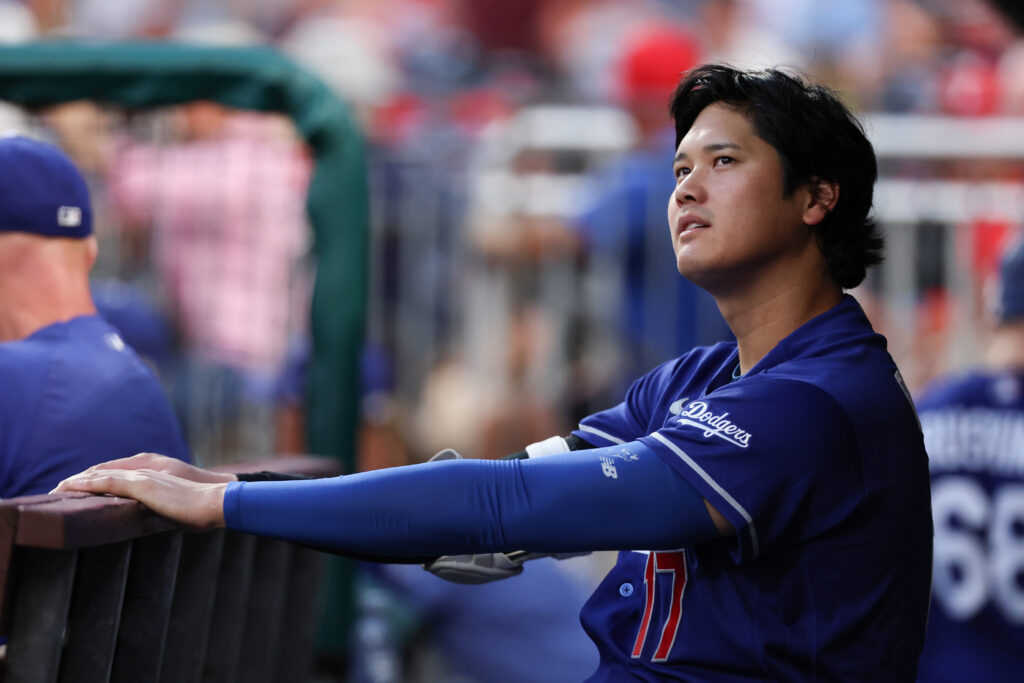
Shohei Ohtani Knee Update: Dodgers Skip Bullpen Session
Ohtani’s planned bullpen session got scrubbed after his knee didn’t bounce back the way the Dodgers wanted. The club says it’s caution, but caution has a way of turning into concern.
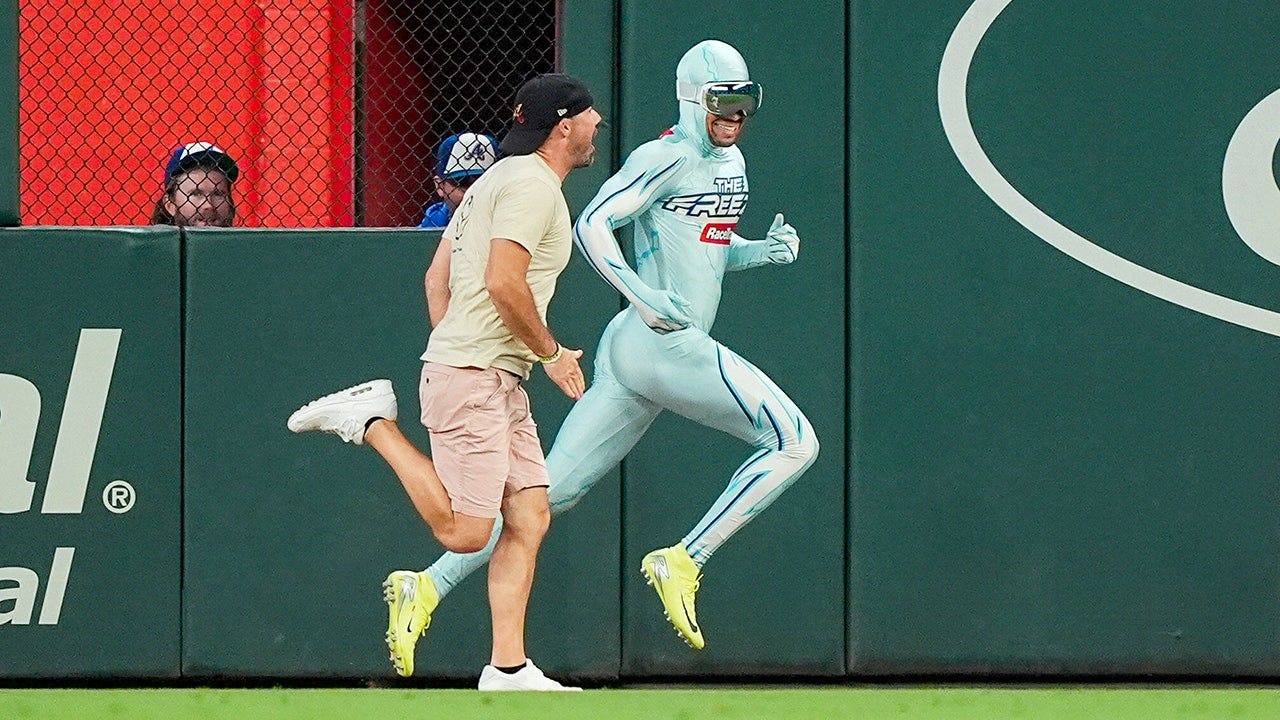
Atlanta Braves The Freeze Taunt: Fan Gets Blown Past
A Braves fan tried to needle The Freeze with a blown kiss. The result was a cautionary tale in park-speed humiliation.

MLB Trade Deadline: Mason Miller, Tarik Skubal Market Watch
The deadline market is still soft and strange, with stars like Mason Miller and Tarik Skubal hanging over clubs that haven’t picked a lane yet.