
Quinnen Williams Contract: Cowboys Bet Big on Their Front
Dallas paid for disruption, and now the cap math has to cooperate.
 Zane Miller5 min read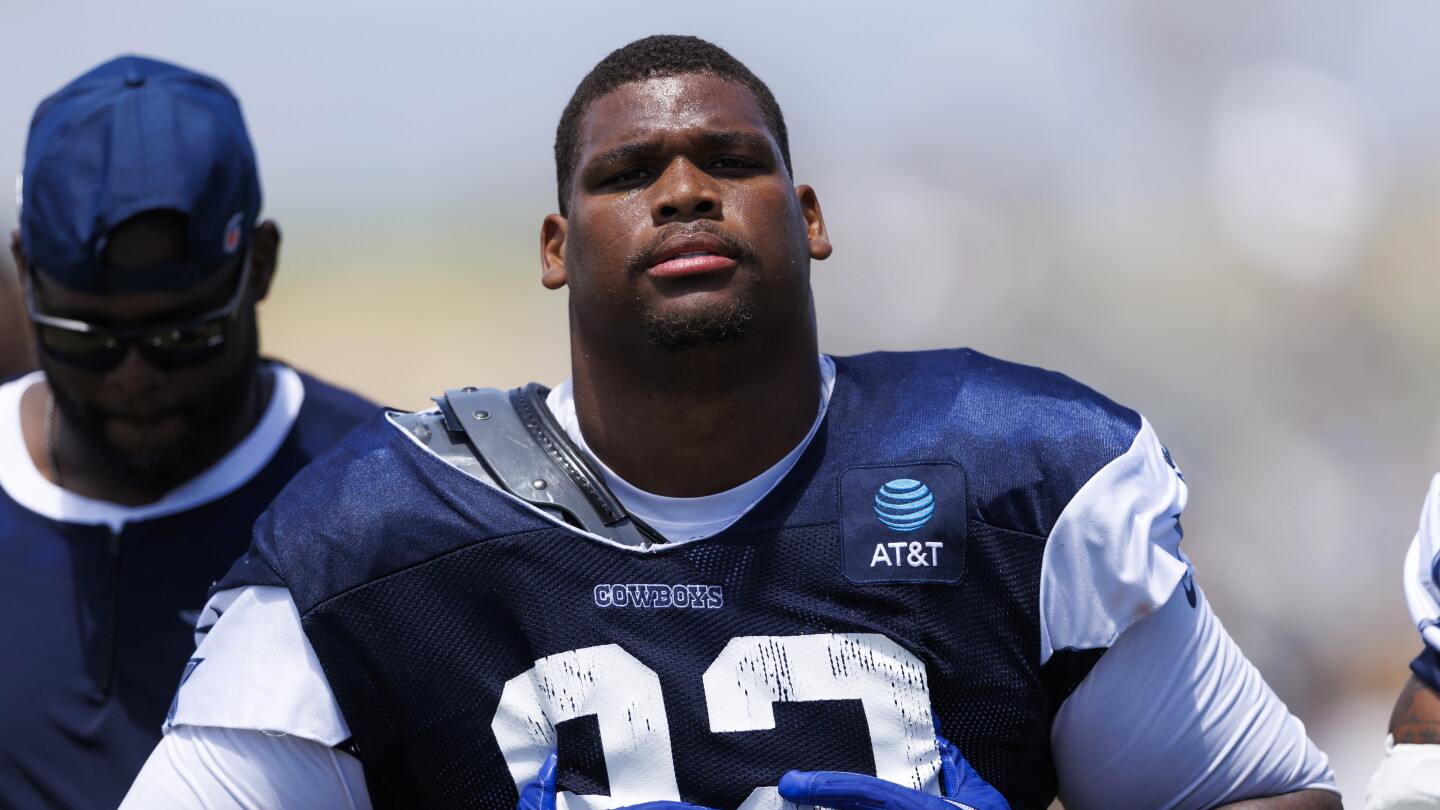
The Cowboys didn’t just extend Quinnen Williams. They made a statement about what they think wins in January: violent interior pressure, not cute promises about “depth” and “competition.” Dallas added three new years to the two left on his deal, and the new-money average immediately jumps off the page. That’s the part the agents notice. That’s the part the locker room notices too.
Williams has been one of the rare defensive tackles who changes how an offense calls the game. You don’t pay that type lightly. You pay because your quarterback needs cleaner pockets, because your linebackers need blockers turned away from them, because your pass rush can’t live on edge speed alone. The Cowboys have spent too many seasons acting like the front can be patched together. This move says they’re done with that.
Dallas finally acted like a team that knows where pressure comes from
Inside league circles, the logic is simple. Interior defenders who can collapse a pocket are market movers, and the market has been marching up for years. A premier tackle doesn’t get judged on sacks alone anymore. It’s snaps altered. Protections shifted. Quarterbacks drifting off their spot before the ball is ready. That’s the real currency.
Dallas has long had star power at the top of the roster, but the defensive identity has too often felt like a collection of parts rather than a system built from the middle out. Williams gives them a player offenses have to account for every single snap. That matters in a division where every game can get dragged into trench football fast.
The Cowboys also know the alternative. If you don’t pay the disruptor, you end up shopping for three cheaper answers and hoping one sticks. That’s how cap space gets burned. It looks tidy in March and ugly by October.
This is the kind of deal contenders make when they’re tired of pretending the middle of the defense can be ordinary.
The cap number is the point, not just the headline
The new-money average is what will dominate the conversation, and for good reason. It tells you where Williams lands among the league’s elite interior defenders. It also tells you Dallas wasn’t trying to bargain-shop a premium position. Once you start paying for real difference-makers inside, the rest of the roster has to be built with sharper edges.
That’s where this gets interesting. The Cowboys have already been living in a world where they need cost-controlled wins elsewhere. Draft hits matter more. Mid-tier veterans matter more. A quarterback-friendly structure matters more. If you’re allocating big dollars to the interior, you better believe the front office has a plan for the rest of the board.
This is also the kind of deal that can clean up a future headache before it starts. Two years left is enough time for a club to procrastinate itself into a worse negotiation. Dallas moved early, and early usually costs less than late. Not cheap. Just less bad.
The best franchises understand that premium positions aren’t only about stars. They’re about avoiding the year-to-year scramble for replacements. Dallas is trying to avoid that scramble here.
What it means for the defense around him
Williams changes the math for everyone else on that side of the ball. Edge rushers get more one-on-ones. Off-ball linebackers get cleaner lanes. The secondary gets a better chance to live in the intermediate windows instead of surviving off pure coverage talent.
That ripple effect is why interior tackles are so valuable even when their box score doesn’t scream every week. A quarterback’s comfort level collapses when the pocket caves from the center outward. That’s where throws get late. That’s where drives die. That’s where good defenses become annoying, and great ones become seasonal problems for everybody else.
For Dallas, this also sets a tone in the building. You can talk all day about culture. Real culture shows up in extensions like this. It shows up when the team keeps the engine and doesn’t get seduced by the idea that it can just find another one later.
If you want a clean comparison point, look at the way teams treat elite trench players the way front offices treat franchise quarterbacks: pay now, apologize less later. That’s the tier Williams lives in.
Why this echoes beyond Dallas
I’ve been around enough of these contract cycles to know when a team is buying a player and when it’s buying relief. This feels like both. Dallas gets the player, obviously. But it also gets relief from the weekly pressure of trying to explain why a supposedly aggressive defense keeps failing to control the line of scrimmage.
I’ll say this plainly: this is the kind of commitment that usually tells you the team believes its window is open right now, not someday. Maybe not perfect. Maybe not without holes. But open. And when a front office believes that, it stops treating blue-chip defenders like optional luxuries.
That’s the part opponents should care about. A Dallas defense built around Williams is harder to wear down in December. Harder to game-plan for in the playoffs. Harder to bully when the weather turns and the route tree shrinks. That’s where contracts stop being accounting and start becoming football.
This also has ripple effects on future negotiations around the league. Every monster extension resets expectations for the next interior star waiting on his payday. Agents track these deals obsessively. Clubs do too. Nobody wants to be the team that sets the market by a mile, but everybody wants the player who can actually move it.
For Dallas, the play is clear. Keep the disruptive core. Draft better around it. Let the big man make everybody else look faster.
The contract is signed. Now the Cowboys have to prove the investment wasn’t just expensive — it was necessary.
More from Straight From The Bench
Comments
Join the conversation — sign in to leave a comment.
Sign in to commentRelated Stories

Detroit Lions preseason opener: players with most to gain or lose
Detroit’s preseason opener against Cincinnati is more than a tune-up. For several Lions, it is a small stage with very large consequences.

J.J. McCarthy QB Update: What Kyler Murray Means for Minnesota
Kyler Murray’s arrival changes the texture of Minnesota’s quarterback plan and leaves J.J. McCarthy in a more complicated, more human spot. The future is still his — just not on the schedule he imagin

Rashee Rice Jail Time: Chiefs Receiver Gets Reality Check
Rashee Rice says the jail stint was a learning experience. The Chiefs just need the lesson to stick, because talent only travels so far.