
Ravens Cam Jurgens Trade: Baltimore Fixes Its Center Crisis
A bruising roster hole got patched fast, and that tells you exactly how urgent this was.
 Beatrice Kensington6 min read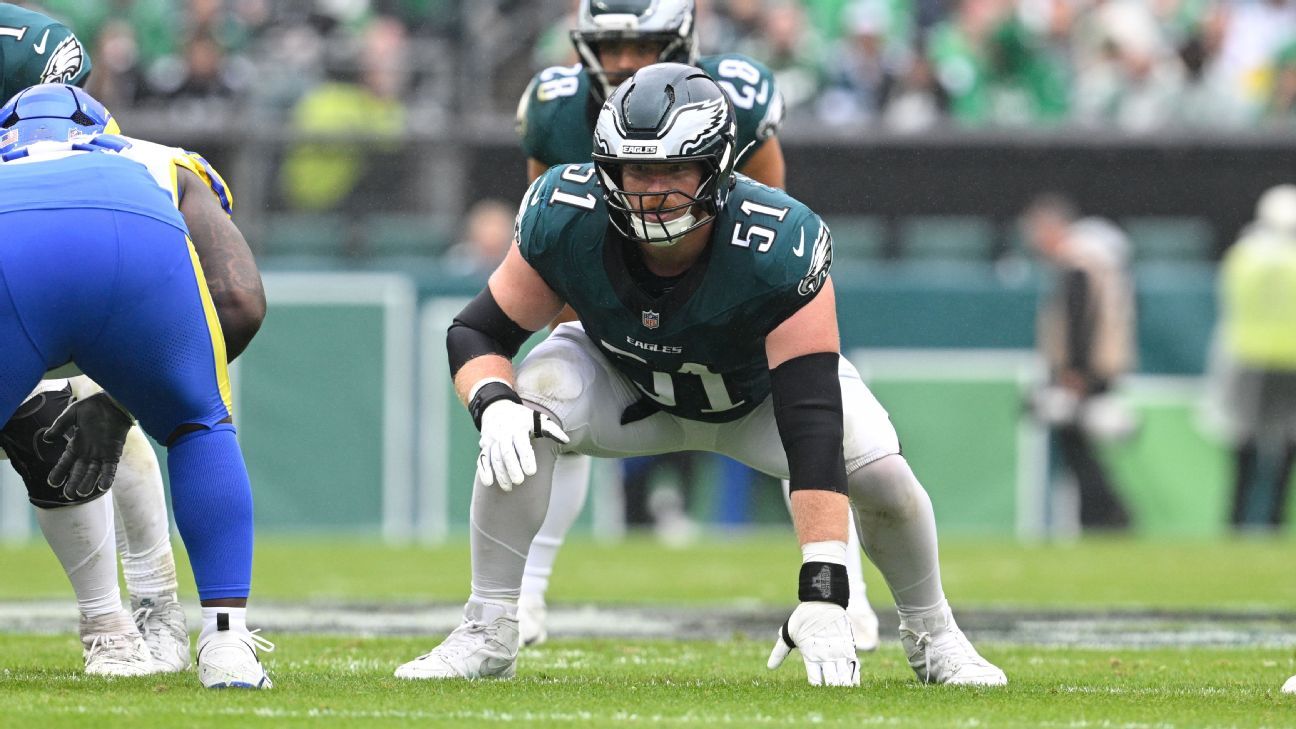
Baltimore found the quickest route out of its center mess
The Ravens have spent enough autumns learning the same lesson in different handwriting: a football team can survive plenty of inconvenience, but not always a broken middle. Baltimore’s trade for Cam Jurgens from the Philadelphia Eagles is not the sort of splash that lights up a Thursday-night panel, but it may prove more valuable than most of the glamorous deadline theater that usually gets oxygen. A two-time Pro Bowl center does not arrive in a city by accident. He arrives because the need was loud, persistent, and impossible to ignore.
For the Baltimore Ravens, this is about more than a replacement. It is about restoring the shape of an offense that depends on timing, leverage, and the kind of clean interior work that rarely earns a replay cut unless it goes wrong. Snap issues, protection leaks, and the subtle erosion of confidence in the offensive line can unmake even a gifted attack. Baltimore knew the cost of waiting. So it acted.
Why center is never just a position
In a league that worships quarterbacks and prices pass rushers like rare art, center can feel like the most invisible chair in the room. It is not. The center is the metronome. The traffic cop. The first domino. If the player in that spot cannot identify pressure, handle communication, and deliver the ball on time, the entire rhythm of an offense begins to wobble.
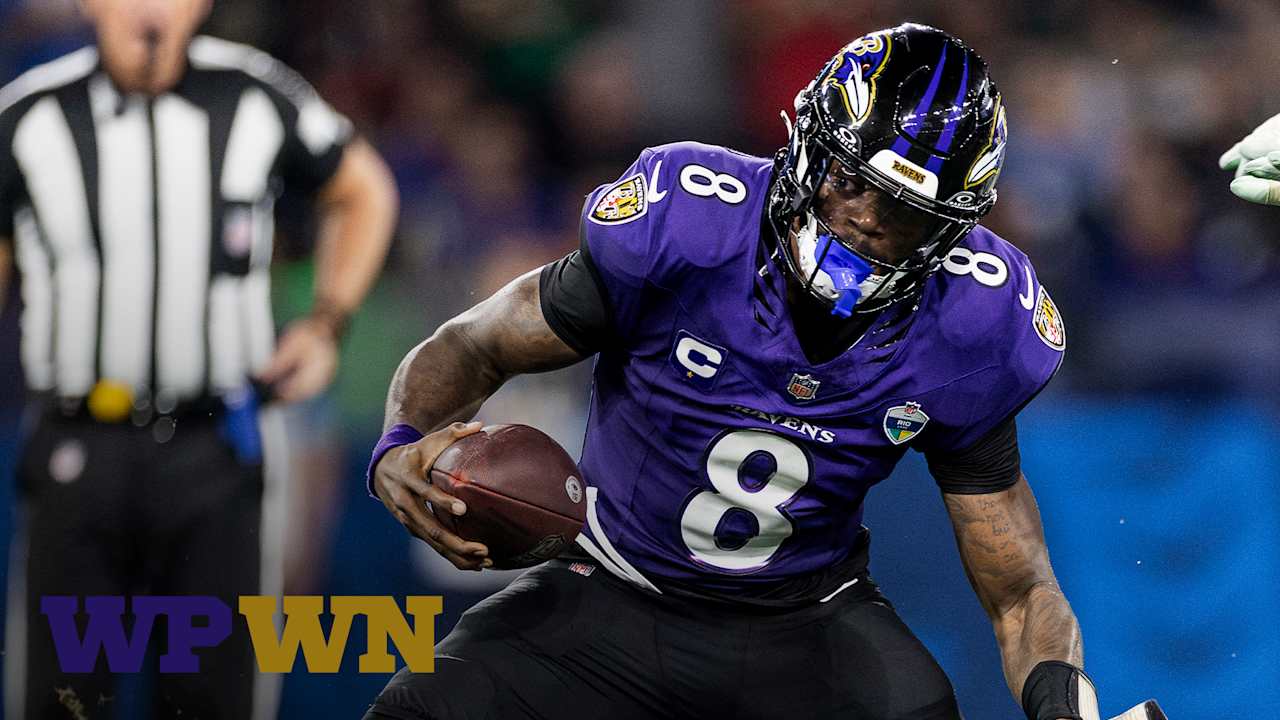
That matters even more in Baltimore, where the offense has long been shaped around motion, cadence, and the edge threat created by Lamar Jackson. Jackson’s brilliance shrinks defenses, but it also asks something specific of the men beside him: stay organized, stay connected, and do not force him to live in the backfield. A center upgrade is not a luxury for this team. It is plumbing.
The Ravens have been living with urgency at this spot, and urgency in the NFL has a way of turning into damage if it is not addressed before the weather turns. This trade says Baltimore was not interested in letting the season drift into improvisation.
Philadelphia’s decision says plenty too
The Eagles did not move a player like Jurgens for sentimental reasons. Good teams do not. They move pieces when the internal calculus says the roster can absorb the loss, the draft capital or future flexibility is worth more, or the succession plan is already waiting in the hallway. However this deal is structured, Philadelphia’s willingness to make it tells you the Eagles believed they could afford to deal from strength.
That is the part of this trade that should make the rest of the AFC take notice. Baltimore was not shopping at the bottom shelf. It found a team with standards, a team accustomed to line play that can survive December weather and postseason trench wars. This was not a patch from the bargain bin. It was a football decision made by two franchises that understand exactly where games are won when the passing windows narrow.
Baltimore just bought something rarer than headlines: order.
What it means for Lamar Jackson and the offense
The easiest temptation is to treat this as a clean fix, as if one center can absolve all previous line sins and turn a shaky front into a cathedral. Football is not that merciful. But Jurgens should raise the floor, and maybe the ceiling with it. A steadier center can settle protection calls, clean up the exchange, and help an offense get into its plays faster and with more confidence.
That matters for Jackson in a way that box scores never fully capture. Quarterbacks who play on the move still need a pocket that does not collapse like a folding chair. Jackson has spent enough of his career carrying the extra weight of protection uncertainty. Baltimore has often asked him to be both escape artist and architect. A reliable center lets him do more of the second part, and the difference between those roles can decide January games.
There is also a ripple effect for the backs, the guards, and the play caller. Interior stability changes how a defense rushes. It can blunt the kind of free, downhill pressure that ruins timing on play-action and keeps an offense from living in the rhythm it prefers. The Ravens did not trade for glamour. They traded for cleaner arithmetic.
Beatrice Kensington’s read: this is how contenders behave
I have long believed that the most revealing roster moves are the ones that seem almost boring to the casual eye. Not the fireworks. The housekeeping. A contender can survive an awkward receiver rotation or a thin bench at a non-premium spot. It cannot survive dysfunction up front forever, because dysfunction up front is contagious; it seeps into the quarterback’s footwork, the running back’s patience, the coordinator’s temperament, and then into the sideline itself.
Baltimore’s move feels like the kind of decision made by a front office that understands its own window. When a team senses the ledger tightening around its season, it stops indulging hope and starts purchasing certainty. I have seen this pattern before in good clubs with championship habits: they do not wait for the emergency to become a public spectacle. They spend early, sometimes at a premium, because they know the cheaper answer is usually the expensive mistake.
The Ravens have not guaranteed themselves anything by landing Jurgens. What they have done is refuse to drift. That counts. In a conference where a single blown protection can change the temperature of an entire winter, refusing to drift is a serious act.
The next question is fit, not fantasy
The immediate test is whether Baltimore can integrate Jurgens smoothly enough for the move to matter before the season slips deeper into the meat grinder. Chemistry along the line is not a slogan; it is repetition, call-and-response, and trust under stress. The Ravens will want this to feel natural fast.
For fantasy managers and obsessives parsing the edges of roster value, this is a reminder that line play can reshape the outlook for everyone attached to the offense. If you want a sharper read on how roster construction can distort player value, take a look at our piece on Puka Nacua trade value, because the same old truth applies here in a different uniform: context is not decorative. It is destiny.
Baltimore has made its move. Now the line must hold, the quarterback must trust, and the season must answer.
More from Straight From The Bench
Comments
Join the conversation — sign in to leave a comment.
Sign in to commentRelated Stories
Lamar Jackson Ankle Injury Update: Ravens Hold QB Out of Practice
Lamar Jackson was absent from early Ravens practice with an ankle injury, a reminder of how quickly Baltimore’s margin for error can shrink. The team now waits on the health of its most indispensable

Tony Romo Career Update: Jerry Jones Says He’s Just Getting Started
Jerry Jones poured gasoline on the Tony Romo conversation, and the message is clear: this is not a sunset story. CBS may be done, but Romo still has plenty of runway.

Fantasy Football Trade Tips: Puka Nacua Is the Sell-High Alarm
Justin Boone’s trade board is a warning label for fantasy managers. Puka Nacua sits near the top of the sell window, and the smart money knows why.