
Roger Clemens Presidential Medal of Freedom: Hall of Fame Push
Trump’s honor revives baseball’s oldest argument—and one of its messiest.
 Beatrice Kensington6 min read
Roger Clemens has spent years living in baseball’s strange half-light: too decorated to forget, too controversial to canonize. Now, with the announcement that he will receive the Presidential Medal of Freedom, the sport’s old argument has been handed fresh gasoline. The seven-time Cy Young Award winner remains outside the National Baseball Hall of Fame, and that absence has always stood as a verdict as much as a statistic.
The new honor changes none of the arithmetic in Cooperstown. It does, however, sharpen the contrast between two very different institutions: one political, one custodial, one concerned with symbolic recognition, the other with guarding a museum of baseball memory. Clemens can receive a medal from the White House without altering the electorate that keeps him out of the Hall. Those are separate rooms in the house. They have different keys.
A medal does not erase the stain
Clemens’ baseball case has never been merely about velocity, though the radar gun made him feel like a force of nature. It was always about what followed the fastball, the era, and the residue of suspicion that clung to the Steroid Era like tobacco smoke in an old clubhouse. The Hall of Fame voters have treated that history as a moral ledger, and for a long time Clemens has paid the price.
That part of the story is unchanged. A presidential honor does not suddenly make him eligible. It does not rewrite the ballots. It does not compel anyone in Cooperstown to soften. What it may do, though, is reopen the cultural argument around whether baseball’s institutions are punishing the player, the era, or the sport’s own appetite for selective memory.
Baseball loves its absolutes until the talent becomes too large to fit inside them.
That is the awkward truth here. Clemens was not some fringe great whose candidacy can be handled with a shrug; he was one of the defining pitchers of his generation, a man whose name belongs in the same breath as the most overpowering arms the game has seen. The discomfort comes from the fact that greatness and credibility were wounded in the same era, sometimes in the same season.
What the White House is really saying
The Presidential Medal of Freedom is not a baseball award, which is precisely why this matters. It is a civic judgment, a signal about who a president believes helped shape the country’s story. In that sense, Clemens’ selection is as much about politics and cultural alignment as it is about sports merit.
President Donald Trump’s public push for Clemens to enter the Hall of Fame adds another layer, though one should be careful not to mistake influence for authority. As reported, the president said he called MLB commissioner Rob Manfred about Clemens’ Hall candidacy earlier this year. But Rob Manfred does not control the Hall of Fame, and that detail matters because it exposes the limits of presidential muscle when pointed at baseball’s gatekeepers.
There is always a temptation in moments like this to treat the loudest voice as the deciding one. Baseball, fortunately or frustratingly, is more stubborn than that. It has committees, rules, voters, and a long institutional memory. It also has a habit of outlasting whoever thinks they are currently steering the room.
Cooperstown, politics, and the burden of memory
For fans, the Clemens debate has never really been about one man. It has been about whether Hall of Fame voting is supposed to document history or bless it. That distinction is where all the tension lives. If the Hall is a museum, maybe you tell the whole story and let the plaque sit beside the controversy. If it is a shrine, then exclusion becomes its own form of judgment.
Baseball has already lived through this argument with others, and the arguments do not age neatly. Barry Bonds remains another towering example of a player whose statistical profile and cultural baggage refused to reconcile. The sport has spent decades trying to draw bright lines through a gray century. Sometimes it succeeds. Sometimes it just leaves more people unsatisfied.
The Medal of Freedom changes the tone of the conversation because it arrives from outside baseball’s jurisdiction and carries the scent of national validation. But national validation is not the same as historical absolution. A government medal can acknowledge a life. It cannot settle a baseball argument.
I have always believed the Hall’s hardest job is not deciding whether a player was great. That part is usually easy, and with Clemens, almost embarrassingly so. The hard part is deciding what kind of greatness the institution wants to preserve. Baseball is a game built on nostalgia, yet it cannot survive on nostalgia alone. It has to decide whether it wants a clean museum case or an honest one.
My own instinct is that the Hall should resist being bullied by the latest burst of political theater, no matter which side of the aisle is applauding. If Clemens belongs, he belongs because the baseball record demands it, not because a president wants the argument moved along. If he does not belong, then the reason should be stated plainly and consistently, not wrapped in reverence for public ceremony. The sport has spent too many years trying to have it both ways—honoring the number while ducking the narrative.
The larger lesson for baseball’s gatekeepers
What this moment really exposes is baseball’s discomfort with its own past. The game likes clean monuments. Its actual history is messier: labor fights, exclusions, sudden moral crusades, and eras of chemically inflated performance that the sport helped cultivate before it tried to punish. Clemens is only one figure in that landscape, but he remains one of the most symbolic.
That is why the White House announcement lands with such force. It does not merely celebrate a pitcher. It reminds everyone that America has no shortage of institutions willing to reward achievement while leaving the accounting to someone else. Baseball, for all its ceremony, is not exempt from that habit.
There will be people who see this as vindication and others who see it as provocation. Both reactions are understandable. What should not be mistaken for inevitability is the leap from national honor to Cooperstown bronze. The Hall’s door is not opened by presidential announcement, and it should not be.
The story now is not whether Clemens has been honored. He has. The question is whether baseball can keep pretending its final judgment on him is somehow easier than the evidence suggests.
That answer, as ever, is still waiting in the record book.
More from Straight From The Bench
Comments
Join the conversation — sign in to leave a comment.
Sign in to commentRelated Stories
Padres NLDS Exit: What Could Have Been Still Lingers
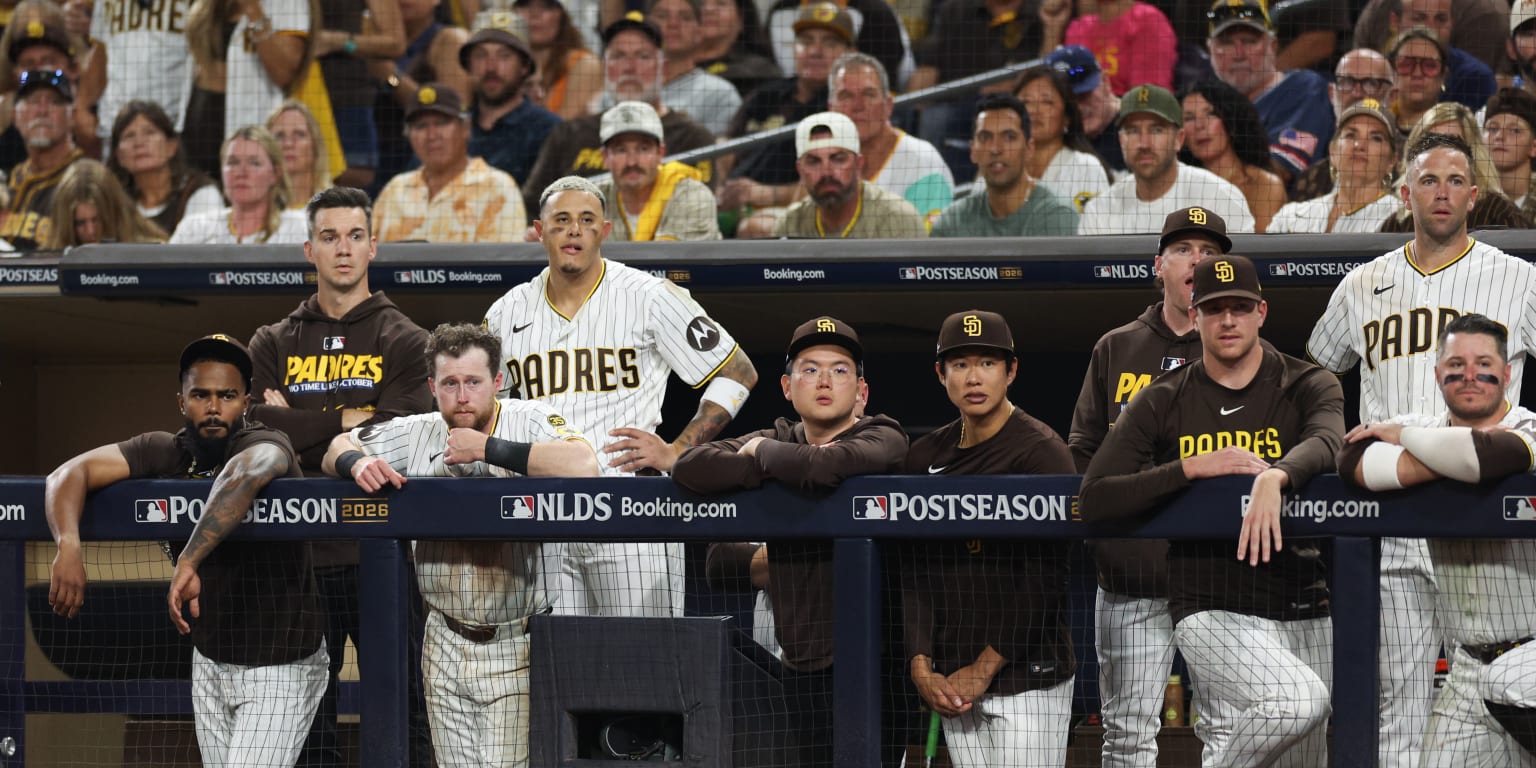
San Diego’s October run ended one step short, and the sting comes from the shape of the series as much as the result. The Padres leave with evidence they belong — and with questions that will not sit

Rays vs Yankees ALDS: Tampa Bay Punches Ticket to the ALCS
Tampa Bay shook up the roster, leaned on unsung pieces, and walked out of New York with an ALCS berth. The Yankees never found the counterpunch.
Yankees Postseason Failure: Aaron Judge Calls for All-In Move
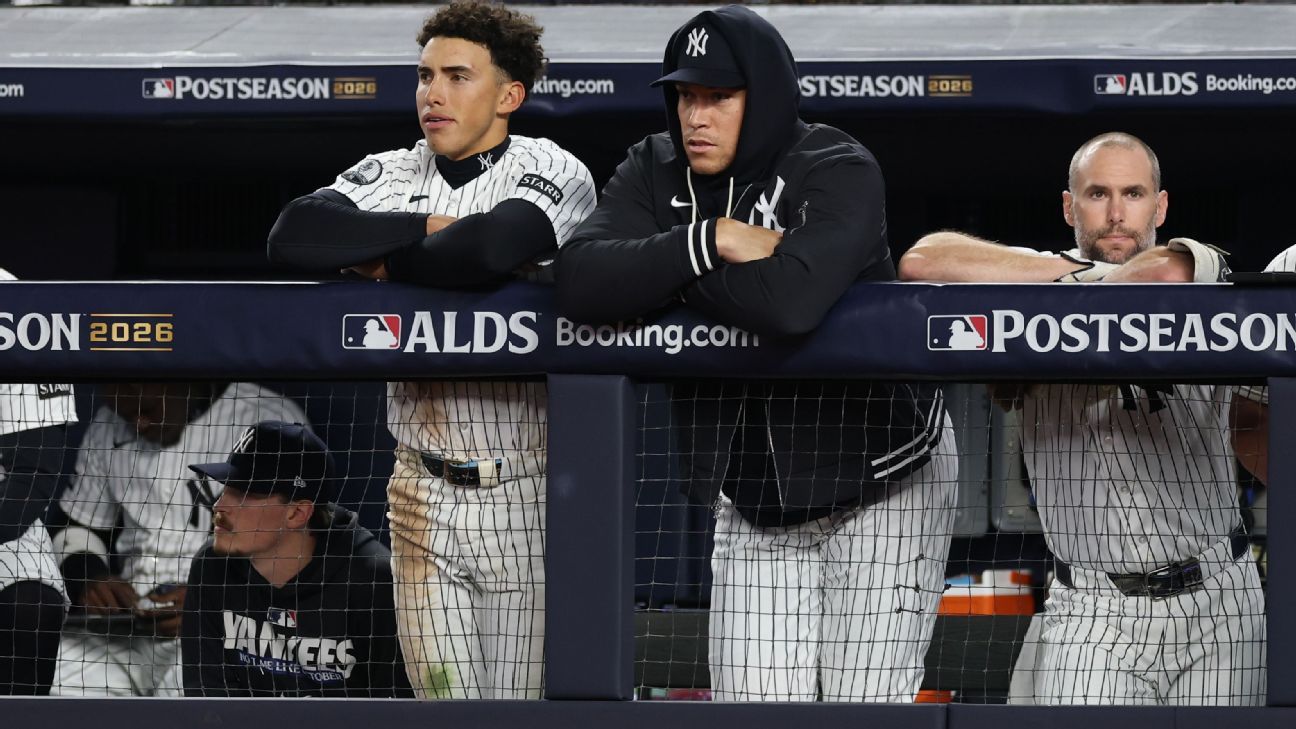
Aaron Judge didn’t hide from another Yankee Stadium exit. He stuck around, then asked the front office to go big or go home.