
Russia Ice Hockey World Championships Return: CAS Opens the Door
A ruling, a thaw, and a sport still trying to outrun geopolitics.
 Beatrice Kensington6 min read
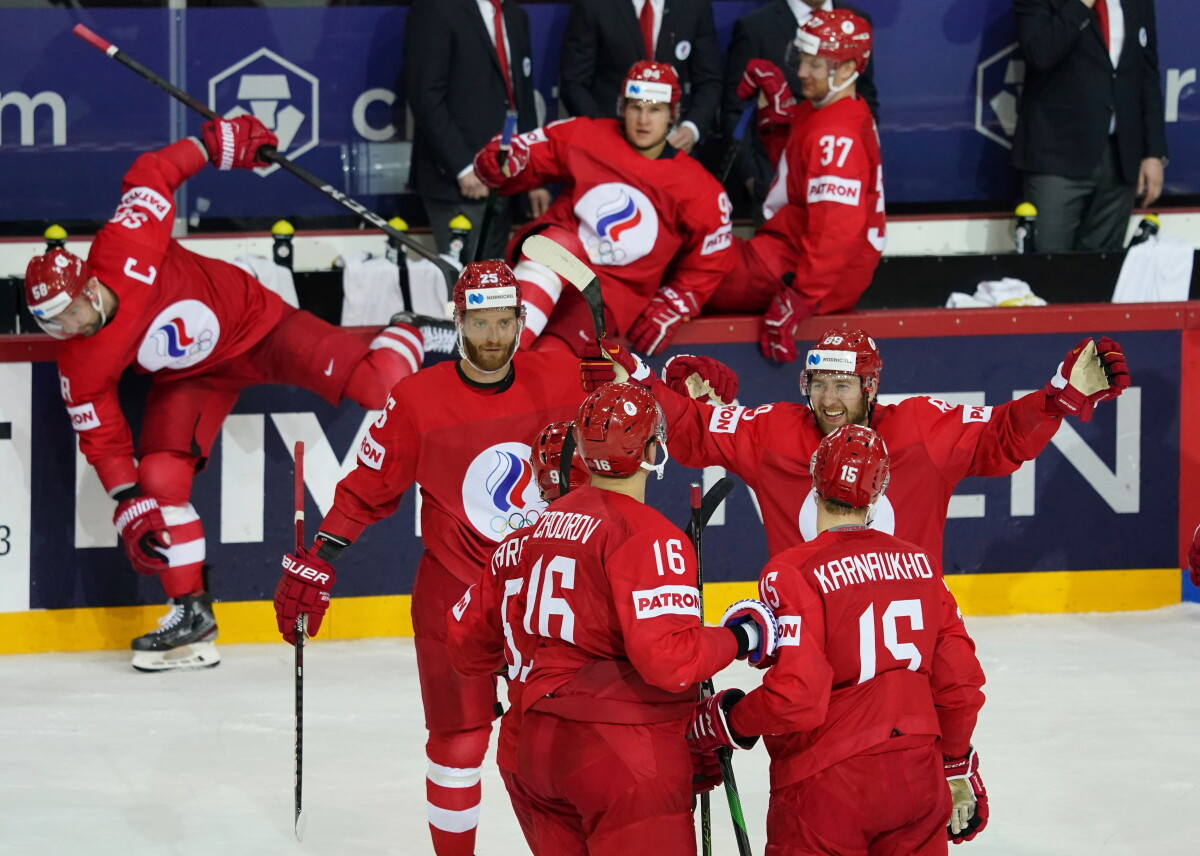
The Court of Arbitration for Sport has done what courts sometimes do best and worst: it has made a clean legal ruling in a world that is anything but clean. Russia, barred from the IIHF stage since the full-scale invasion of Ukraine, is now set to return to the ice hockey world championships after CAS said the exclusion could not stand. The language of sport will call it eligibility. The language of politics will call it something very different.
This is not merely a roster decision. It is a reminder that international hockey, for all its sheets of ice and tidy faceoff circles, has never been insulated from the world pressing against the glass. The Russia men's national ice hockey team has long been one of the sport’s central powers, a nation that can turn a tournament from predictable to combustible in a single week. Its absence has altered bracket logic, television interest, and the emotional temperature of every spring championship. Now that absence has been challenged at the legal level, and the sport must decide what kind of stage it wants to be.
A ruling that lands far beyond the blue line
CAS does not write peace agreements. It does not settle the war in Ukraine, nor does it soften the grief that has made this issue so raw across Europe and beyond. What it has done is force the International Ice Hockey Federation to reckon with the difference between punitive symbolism and enforceable sporting rules. Sanctions in sport are always slippery things; they are meant to express a moral line, yet they are administered through bylaws, calendars, and bureaucratic precision.
That is where this becomes messy. The IIHF had drawn a line in the snow and CAS has stepped over it with a legal bootprint. The federation’s instinct was to keep Russian teams out of international play while the war continues. The court’s response appears to be that the federation cannot maintain that blanket exclusion in the way it has. For administrators, that is a blow. For Russia, it is a passage back into relevance. For everyone else, it is a fresh argument waiting to erupt at every board meeting and every rink-side microphone.
What this means for the world championships
The immediate sporting consequence is obvious enough: tournament planning gets more complicated, and so does the competitive field. Russia is not some decorative participant. In men’s hockey, it is a heavyweight name whose presence changes seeding, preparation, scouting, and the entire emotional architecture of the event. Opponents do not merely play Russia; they measure themselves against history, against expectation, against the old Soviet and post-Soviet machine that has always hovered over the sport like a storm front.
There is also the practical matter of what this does to the tournament’s image. The world championships have often sold themselves as a grand civic gathering, a place where hockey communities from Sweden, Canada, Finland, the Czech Republic and others converge under a shared code. Russia’s return turns that civic ideal into a test case. Can a sport invite back a banned power without appearing to excuse the politics that led to the ban?
The answer, for many, will be no. Yet international sport is not often governed by emotional neatness. It is governed by compromise, precedent, and the uneasy belief that competition can exist in its own sealed chamber. That belief is always under strain. Here, it is buckling in plain sight.
Russia’s return will be described as a legal correction, but in practice it is a moral collision disguised as a scheduling decision.
Hockey’s old habit: pretending the ice is separate from the world
I have covered enough international sport to know this truth: the rink is never as sealed off as officials would like. It merely looks that way because the boards are bright and the rink lights are flattering. The moment conflict enters the frame, hockey’s favorite illusion is exposed. The game has a long memory, especially in Eastern Europe, where national pride, military history, and sporting identity have often been braided together so tightly they are hard to separate without tearing fabric.
That is why this ruling feels larger than a single championship. It taps into a recurring sports argument that never really ends: whether athletes should pay for the actions of governments, and whether federations are capable of drawing that distinction fairly. I have never believed the issue is as simple as some insist. Blanket punishment can be blunt, yes, but so can the notion that sport floats above consequence. In my view, the hardest task is not deciding whether a team may play. It is deciding what message the sport is willing to carry while it does.
This is where the human cost lives. Not in a press release, but in the arenas and locker rooms where players have to skate under the weight of scrutiny they did not create and yet cannot evade. That burden falls on opponents too, particularly those from countries that have borne the political and military consequences of Russia’s actions. Hockey will ask them to compete anyway. It always does.
The IIHF now has to make the politics visible
The IIHF can no longer hide behind the comfort of a closed door. If Russia returns, the federation must explain, clearly and repeatedly, what safeguards and conditions remain in place. If it resists, it will do so under the shadow of a legal defeat. Either way, its authority has been dented.
There is a larger institutional lesson here, one that echoes beyond hockey and into every sport that likes to imagine its independence. Governing bodies love autonomy until a court reminds them that autonomy is not sovereignty. In the age of global conflict, every federation eventually meets that wall.
And yet there is a temptation, especially in reaction to a ruling like this, to talk only in absolutes. Allow, exclude, condemn, absolve. Real life gives us fewer clean verbs. A team’s return does not erase the suffering that made the exclusion necessary in the first place. Nor does the exclusion itself end the suffering. Sport is often asked to perform acts of conscience it is poorly designed to carry out.
The bitter truth is that the world championships may soon become a stage for exactly that contradiction. Russia back in the bracket. Protests in the stands, if they come. Cold diplomacy at the boards. A sport trying to skate past the political ice under its blades.
What to watch now
The next step is administrative, but don’t mistake that for boring. Watch how the IIHF responds, whether it seeks new conditions, and whether national federations push back in public or privately apply pressure. Watch the reception from host nations and rival teams, because this story will not be defined only in Zurich or in court filings. It will be defined in the tone around the tournament, in the handshake line, in the press conferences, in the silent decisions about who shows up and who does not.
And watch the response from the wider hockey public. Fans are often more politically alert than administrators allow, and they have a way of turning a supposedly procedural matter into a loud referendum. Hockey loves to describe itself as a game of order and discipline. This one promises neither.
The door has been pushed open. Now the sport must decide how wide to let it swing. The ice, as ever, will tell the truth before the officials do.
More from Straight From The Bench
Comments
Join the conversation — sign in to leave a comment.
Sign in to commentRelated Stories
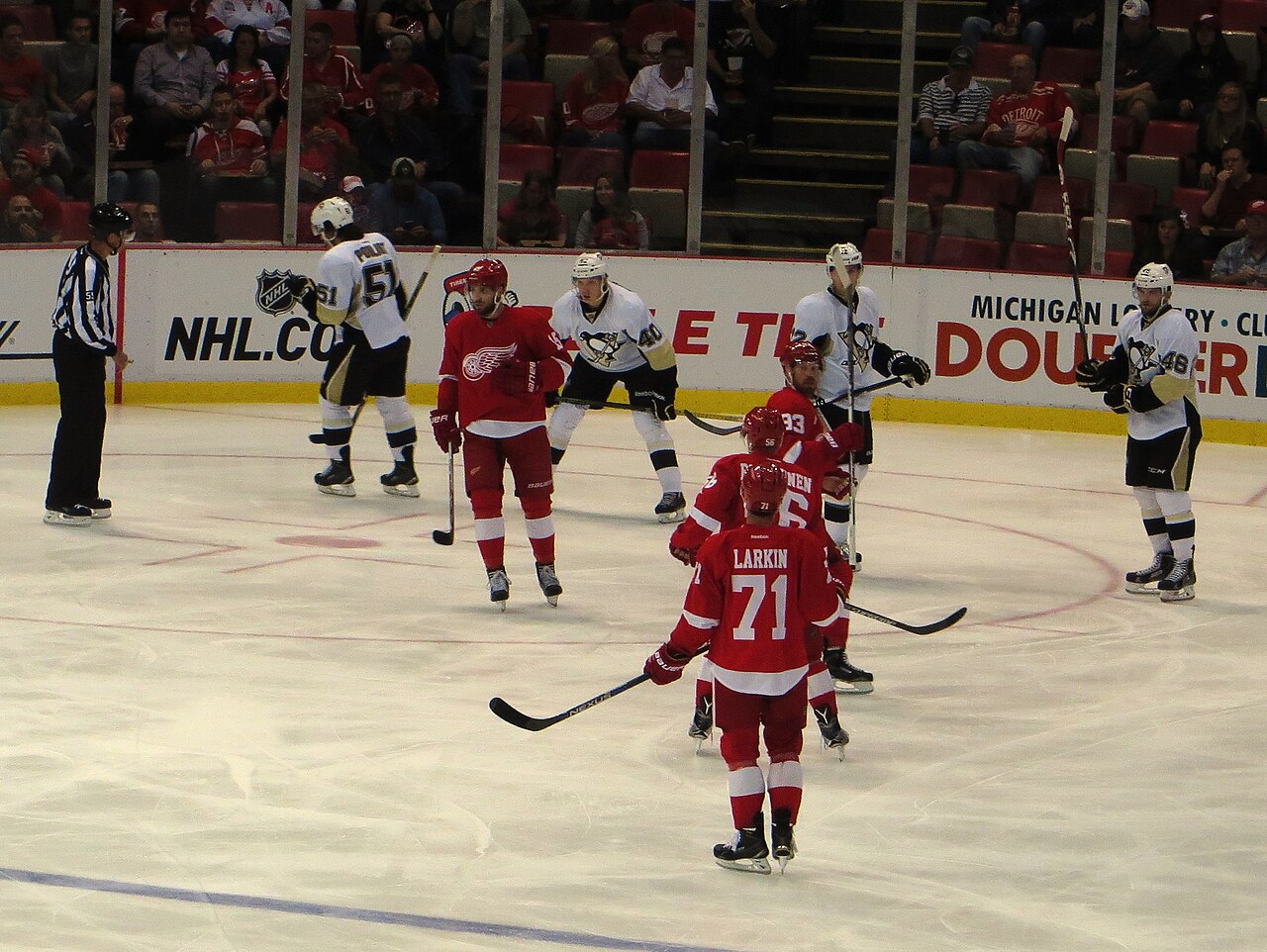
Dylan Larkin Red Wings Future: Detroit’s captain hits a breaking point
Dylan Larkin’s future in Detroit just got loud. The words out of the Red Wings’ front office point to a serious disconnect, not a normal bad stretch.
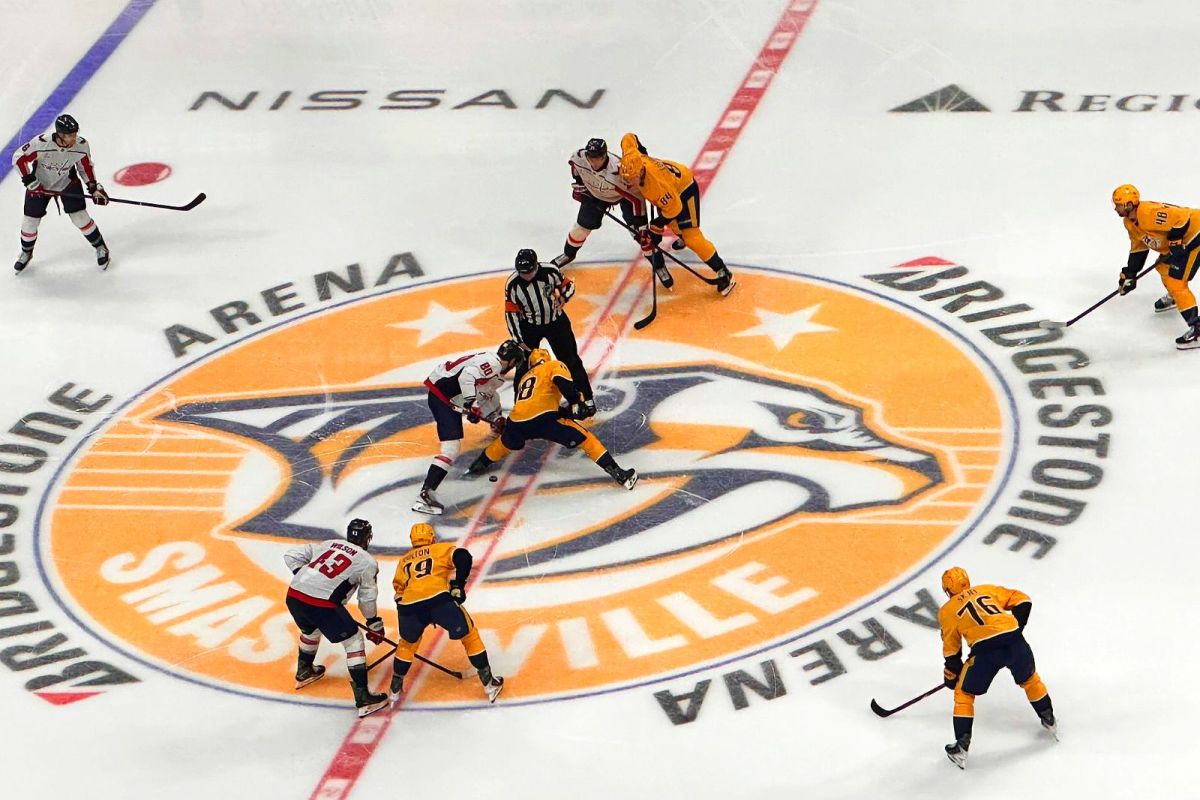
Capitals vs Predators: Washington’s new guys steal the night
Washington left Bridgestone Arena with a rare road win and a louder message: the newcomers are setting the tone. Nashville had moments, but the Capitals owned the work.

Christian Watson injury update: Packers WR returns after ambulance
Christian Watson left Lambeau in an ambulance after coughing up blood, then returned in the third quarter. That is not normal football, even by Packers standards.