
Seahawks Broncos Beef: Michigan Influence Explains the Rift
A locker-room echo from Ann Arbor still ripples through Seattle’s present.
 Beatrice Kensington5 min read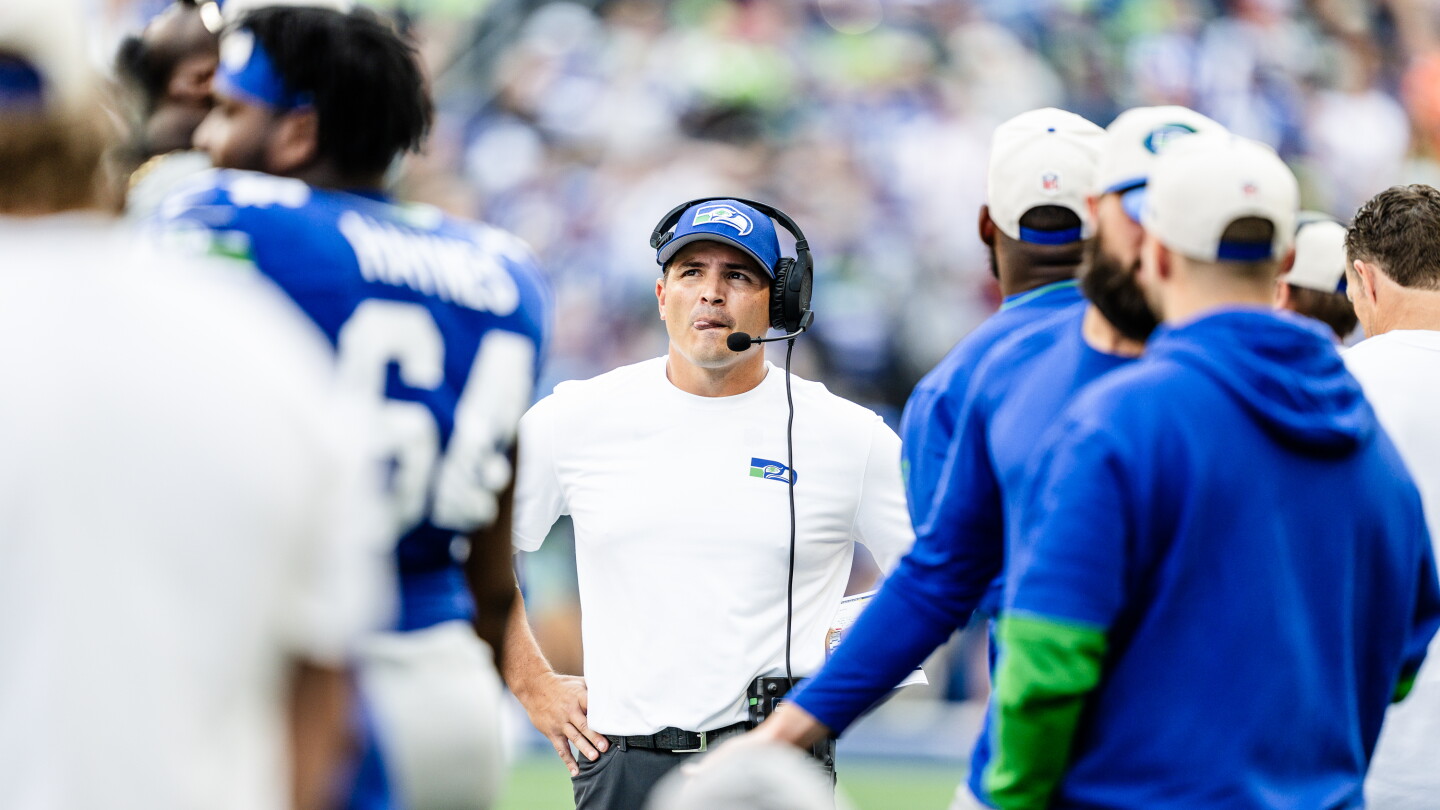
When a forgotten tension surfaces years later, it usually means it never really disappeared. The fresh disclosure of a behind-the-scenes beef between the Seahawks and Broncos does more than add another locker-room footnote to the league’s long scrapbook; it exposes how much NFL teams still carry the fingerprints of one college pipeline, one coaching tree, one set of shared habits that travel from campus to the pros and then, occasionally, collide like weather fronts.
The odd part here is not that two franchises crossed wires. That happens all the time in a league built on poaching, imitation, and the recycling of ideas. The striking thing is the specific Michigan influence attached to the 2024 Seahawks, because it tells you this was never just about personnel. It was about identity. It was about what kind of football men believed they were building, and whether that vision belonged to Seattle, to Denver, or to some shared Midwestern inheritance that both sides thought they owned.
The Michigan thread is not a footnote
A college program can shape a pro roster more profoundly than people admit. Michigan has long been one of those programs whose reach extends beyond the freshman dorms and Saturday crowds. Its players arrive with a certain vocabulary: physicality first, discipline as a default, the belief that the game should look a little grimy and a little old-fashioned. That ethos can be useful. It can also become a kind of gospel that hardens into politics inside a locker room.
The Seahawks have lived in that world before. Seattle has never been shy about importing strong football personalities, and the franchise’s identity has often been built on the tension between adaptability and stubbornness. So when the 2024 group is described as carrying one specific Michigan influence, it matters because that influence is never purely tactical. It is cultural. It says something about who gets listened to, what style gets rewarded, and which voices are treated as football wisdom rather than just another opinion in shoulder pads.
And if you think that sort of thing stays contained, you have not spent enough time around the league. Shared backgrounds can breed trust. They can also create little empires.
Why the Broncos piece makes this bigger
The Denver Broncos do not merely appear in this story as the other team in the room. They are the reminder that personnel ecosystems are rarely neat. Front offices borrow from each other, coaching staffs cross paths, and the same player archetypes get chased in different cities for different reasons. When the line between collaboration and competition blurs, old friendships can curdle into suspicion fast.
That is what makes the reported beef so revealing. It suggests that the dispute was not just about one transaction, one meeting, or one evaluation gone sour. It was about competing versions of authority. One side sees a vision as a natural extension of what football should be; the other sees it as someone else’s culture being smuggled into your building and treated like sacred truth.
In the NFL, borrowed culture can feel like betrayal the moment it starts costing someone leverage.
That is the part fans usually miss. They see the draft board, the scheme fit, the cap sheet. Behind all that sits the more fragile material: pride, hierarchy, and memory. A team can survive a bad play call. It has a harder time surviving the sense that its own people are being told their way of doing things is second-best.
What this says about Seattle’s 2024 identity
The Seahawks have always been at their best when they have known who they are and at least pretended not to care what outsiders thought. That has been part of the franchise’s appeal since the Seattle Seahawks found their louder, rougher, more self-assured voice in the modern era. But identity is a precarious thing in the NFL. It can sharpen into competitiveness or dull into inflexibility.
If a Michigan influence was truly embedded in the 2024 group, then Seattle was not just borrowing a style. It was importing a worldview. That can work beautifully when the roster fits the temperament. It can also create a quiet civil war when the room contains enough strong personalities who each believe they are the standard bearer.
This is where the human cost creeps in. Not the dramatic kind, not the injury report or the headline scandal, but the daily wear of institutional friction. Players feel it when roles are unclear. Assistants feel it when authority is split. And owners, whether they admit it or not, feel it when the culture they purchased begins to behave like a contested estate.
I have always believed the NFL’s greatest misunderstandings are rarely schematic. They are moral. Not moral in the lofty sense, but in the practical one: who deserves trust, who gets protected, who gets the benefit of the doubt when the losses mount and the meetings go long. The best teams answer that question cleanly. The mediocre ones spend half a season arguing about it without ever saying the words aloud.
The lesson for both locker rooms is older than the story
There is a reason college pipelines matter so much now. The league has become more interconnected, more data-driven, and more eager to recycle a known quantity than to invent one from scratch. That makes programs like Michigan powerful beyond their campus borders. It also makes the politics of influence more delicate. When an NFL team leans hard into a familiar football culture, it invites the promise of cohesion and the risk of factionalism in equal measure.
For Seattle, the question is whether that Michigan imprint strengthened the house or merely decorated it. For Denver, the question is whether the irritation revealed here was about a specific disagreement or about feeling the terms of engagement were set elsewhere. Those are different problems, and both are common.
I do not think this kind of reveal is ever trivial, even when it arrives packaged as background noise. It tells us where the seams are. And once you know where the seams are, you also know where a season can start to split.
The next time these teams are mentioned together, watch less for the box score and more for the posture. The real story may be the distance between the words they say and the football they believe they own.
More from Straight From The Bench
Comments
Join the conversation — sign in to leave a comment.
Sign in to commentRelated Stories
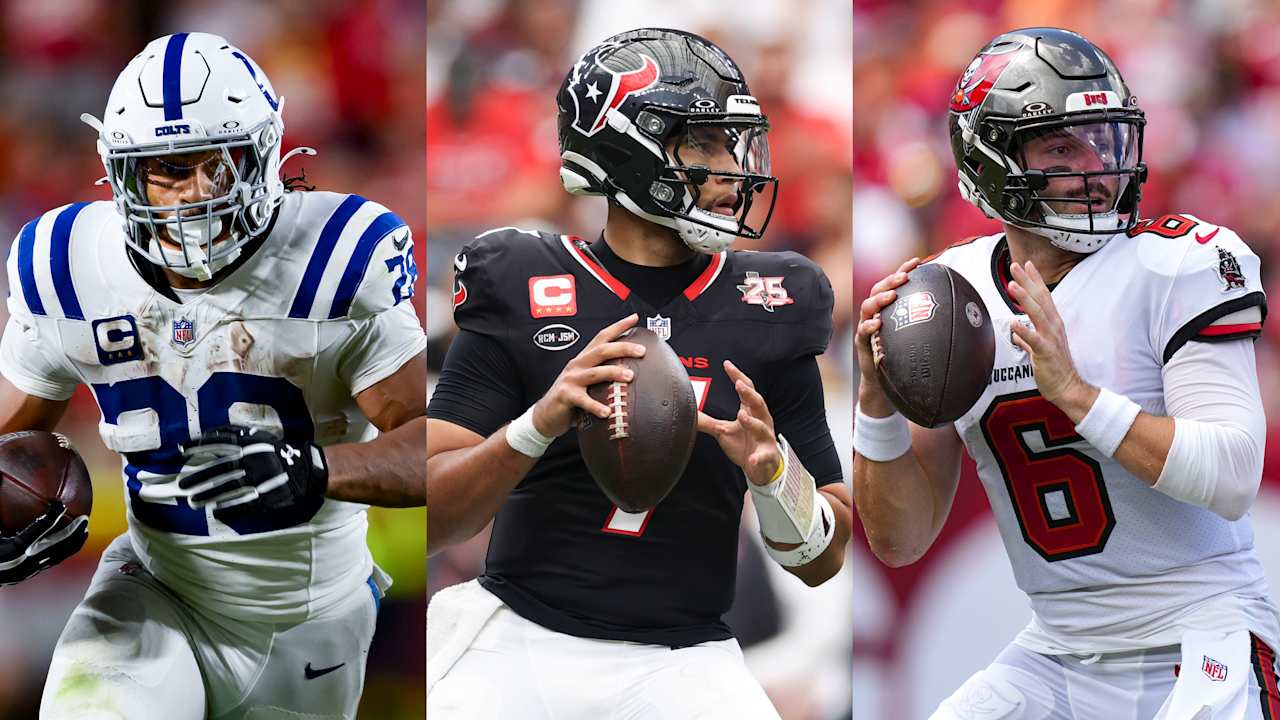
NFL 0-2 Teams: Texans, Buccaneers and Colts Still Breathe
Eight teams are staring at 0-2, but a few still have a real path out of the hole. The trick is knowing which clubs are wounded and which ones are just plain dead.

Week 3 Fantasy Defense Rankings: Seahawks Top the Streamers
With Washington’s offense in flux, the Seahawks move to the front of the fantasy defense line. The edge belongs to the team that can turn a shaky pocket into points.
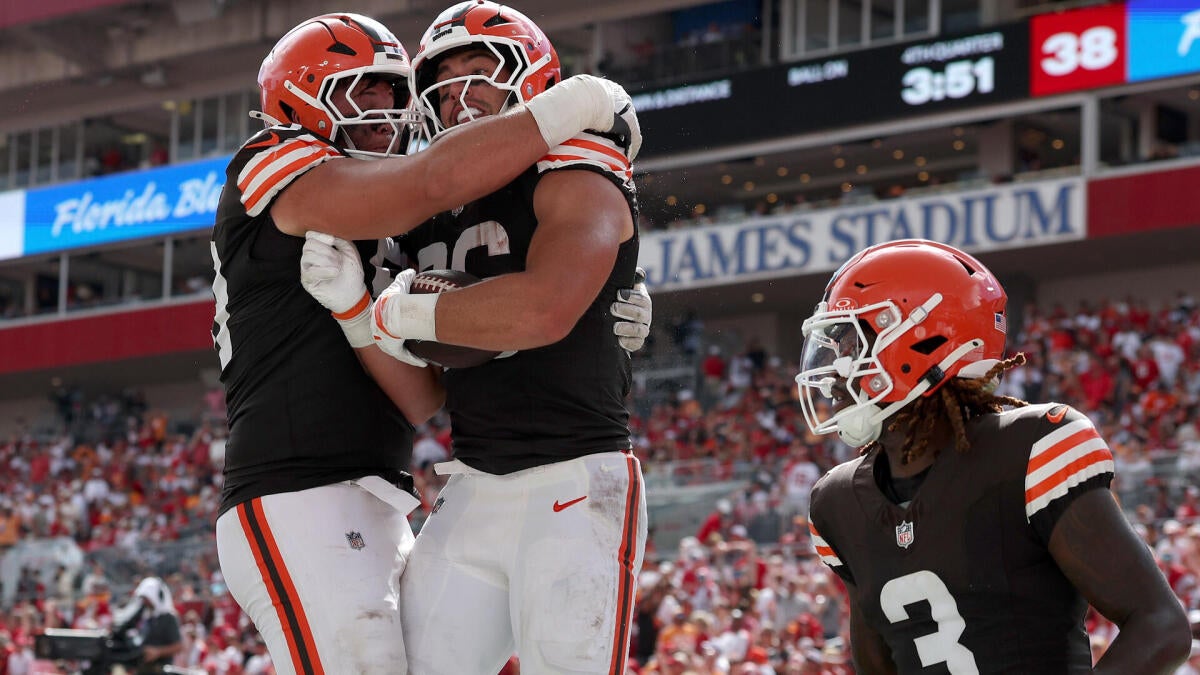
NFL Week 3 Picks: Browns Upset Panthers, Giants Rally Behind Winston
Pete Prisco’s Week 3 board leans into a few hard edges: Browns over Panthers, Giants with Jameis Winston, and Jacksonville keeping New England uncomfortable.