
Seahawks offense: Sam Darnold turnover woes and run-game trouble
Seattle’s attack has too many leaks to blame on one quarterback.
 Zane Miller5 min read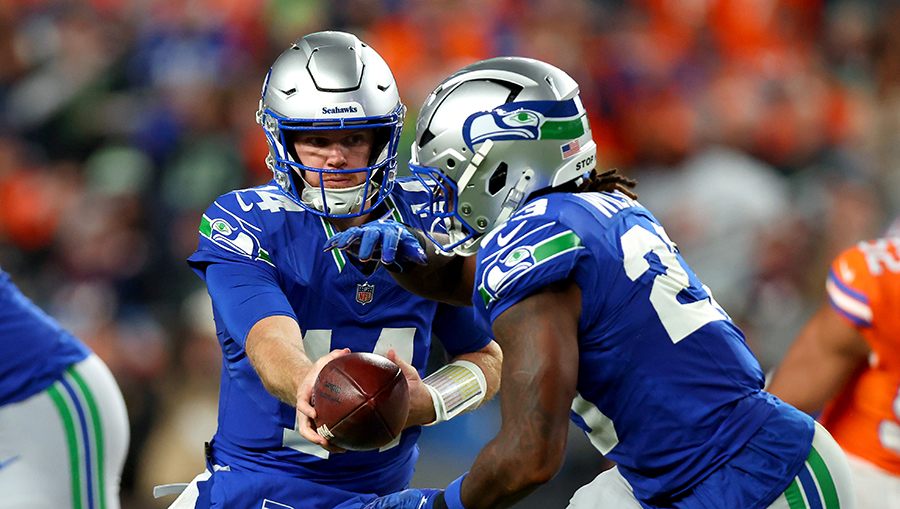
Seattle’s offense didn’t just sputter Thursday night in Denver. It looked boxed in, stressed, and a step slow on almost every snap. The Seahawks came out of that loss with the same ugly question hanging over them that followed them into it: how does this thing actually move the ball with any consistency?
This is bigger than one bad night, and bigger than one quarterback mistake. The turnover issues from Sam Darnold are the loudest part of the conversation because quarterbacks always get the microphone. But the film doesn’t stop there. The run game has been stuck in neutral. The protection has been leaky enough to make every dropback feel rushed. And the rhythm plays — the easy completions that keep an offense alive — have been missing for too long.
The turnovers are real, but they’re not the whole disease
Darnold’s mistakes matter. Of course they do. When a quarterback puts the ball in harm’s way, he drags the whole operation down with him. That’s not a hot take; that’s roster-building reality. Teams can survive a lot of things. They cannot survive a steady diet of giveaways.
But Seattle’s issue is layered. The offense is asking for clean operation and explosive upside at the same time, and it’s not getting either. Drives are getting derailed before they settle in. That forces the play-caller to chase the game, which narrows the call sheet, which puts even more pressure on the quarterback. That cycle is how offenses become their own worst enemy.
And if you’re the front office, this is the kind of mess that forces hard conversations fast. A quarterback turnover problem is usually fixable only if the rest of the machine can stabilize around him. Right now, Seattle doesn’t look stable enough to cover for anyone.
No run game, no cushion, no easy answers
The thing that jumps off the page is how little margin this offense has on early downs. Without a functioning run game, the Seahawks aren’t creating the kind of second-and-manageable situations that let a quarterback settle in. Everything becomes a passing-down chess match, and that’s not a great place to be when the protection is already under stress.
That’s where this starts to feel systemic. If defenses don’t fear the ground attack, they widen out, squeeze the timing routes, and wait for the mistake. That makes life miserable for a quarterback trying to regain confidence. It also means the offense can’t lean on the one old reliable trick teams use when things get weird: hand it off, stay on schedule, and steal some calm.
The Broncos game exposed that problem in a very clean way. Seattle wasn’t just behind the chains. It was trapped by them.
Protection, structure, and the cost of living off-script
There’s a temptation in these moments to isolate the quarterback and call it a day. That’s lazy analysis. Real evaluators look at the environment too. What are the receivers getting? Is the line holding up? Are the concepts giving the quarterback answers before pressure arrives? That’s the lens Seattle has to use now.
Because if the answer to all of that is “not enough,” then you’re not diagnosing a player. You’re diagnosing an ecosystem.
This is why some offenses snap back quickly and others keep sliding. When a unit loses trust in the pocket, everything gets sped up. Throws get forced. Routes look disconnected. The quarterback starts playing not to lose instead of playing to attack. That’s how a few turnovers turn into a full offensive identity crisis.
The Broncos didn’t need to be perfect Thursday. They just needed Seattle to keep handing over empty possessions and short fields. The Seahawks helped them do it.
What this means for the coaching staff and the room
Seattle can’t coach its way out of bad blocking or suddenly manufacture a dominant run game out of thin air, but it can simplify. It can lean harder into early rhythm throws, quicker answers, and formations that reduce stress on the quarterback. It can also make the run game feel less decorative and more functional, which is a fancy way of saying: stop trying to run for style points and start running to keep the defense honest.
If the Seahawks keep feeding their quarterback a broken structure, the turnovers are a symptom — not the headline.
This is the part that separates good staffs from panicked ones. The good ones don’t just ask, “How do we cut down mistakes?” They ask, “What’s making the mistake likely?” That’s where Seattle has to live this week.
I’ll say this plainly: teams don’t usually escape these stretches by waiting for cleaner vibes. They escape by accepting the identity they actually have, not the one they hoped for in August. I’ve covered enough of these seasons to know the pattern. A quarterback gets blamed first, then the line, then the play-caller, and by the time everyone realizes it’s all connected, the record has already turned the screws.
Seattle feels like it’s entering that zone. Not broken. Just dangerous to itself.
The next swing matters more than the last one
The Seahawks don’t need a philosophical speech. They need a usable offense. They need to stop bleeding possessions, stop living behind schedule, and give Darnold a cleaner map. If that doesn’t happen soon, the noise around this unit is only going to get louder — and in the NFL, loud usually means urgent.
The fix won’t be one tweak. It’ll be a stack of them. And Seattle has to start stacking now.
More from Straight From The Bench
Comments
Join the conversation — sign in to leave a comment.
Sign in to commentRelated Stories
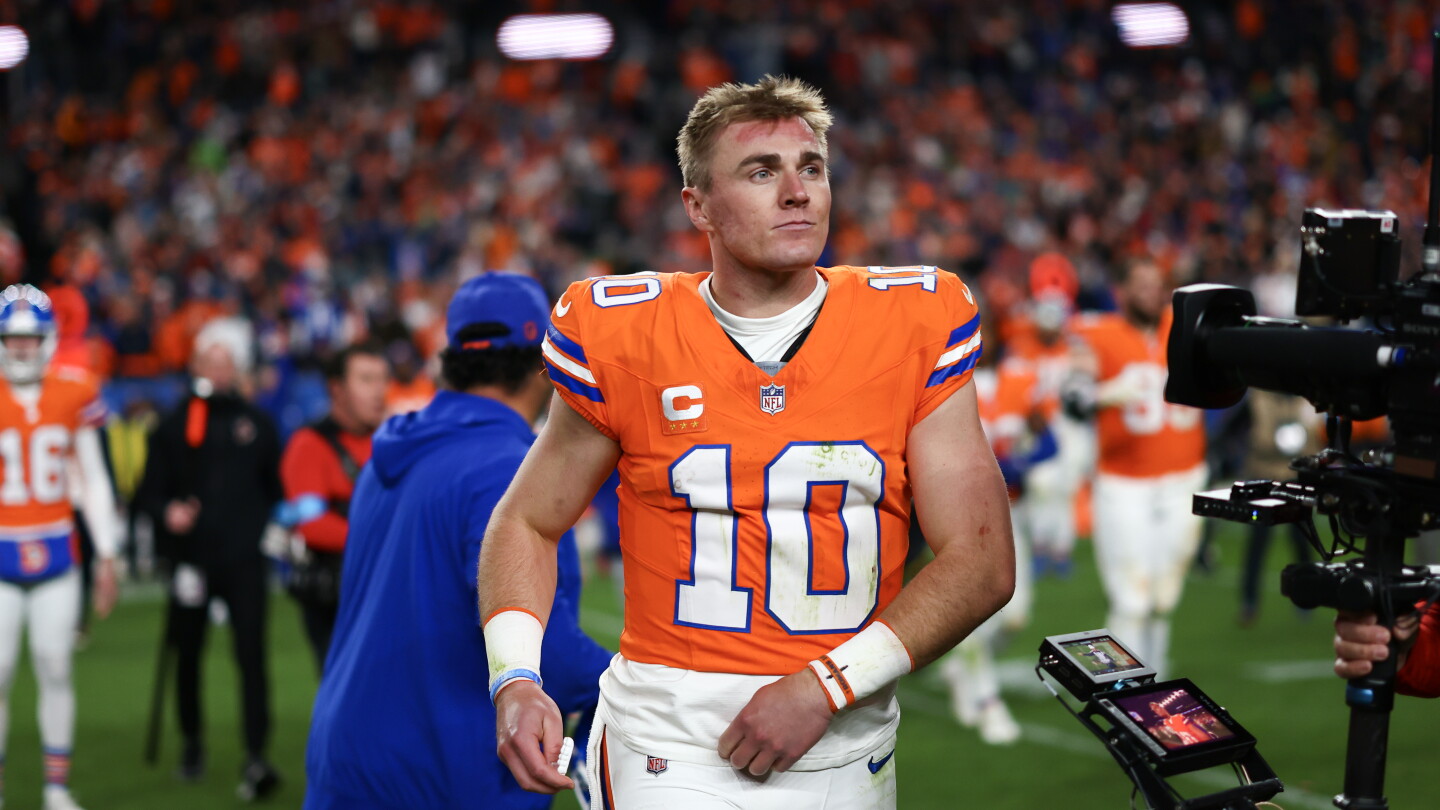
Bo Nix Night: Ryan Fitzpatrick Blasts Broncos Offense
Denver beat the defending champs in overtime, but the Broncos’ offense left plenty to shred. Ryan Fitzpatrick said the quiet part out loud.
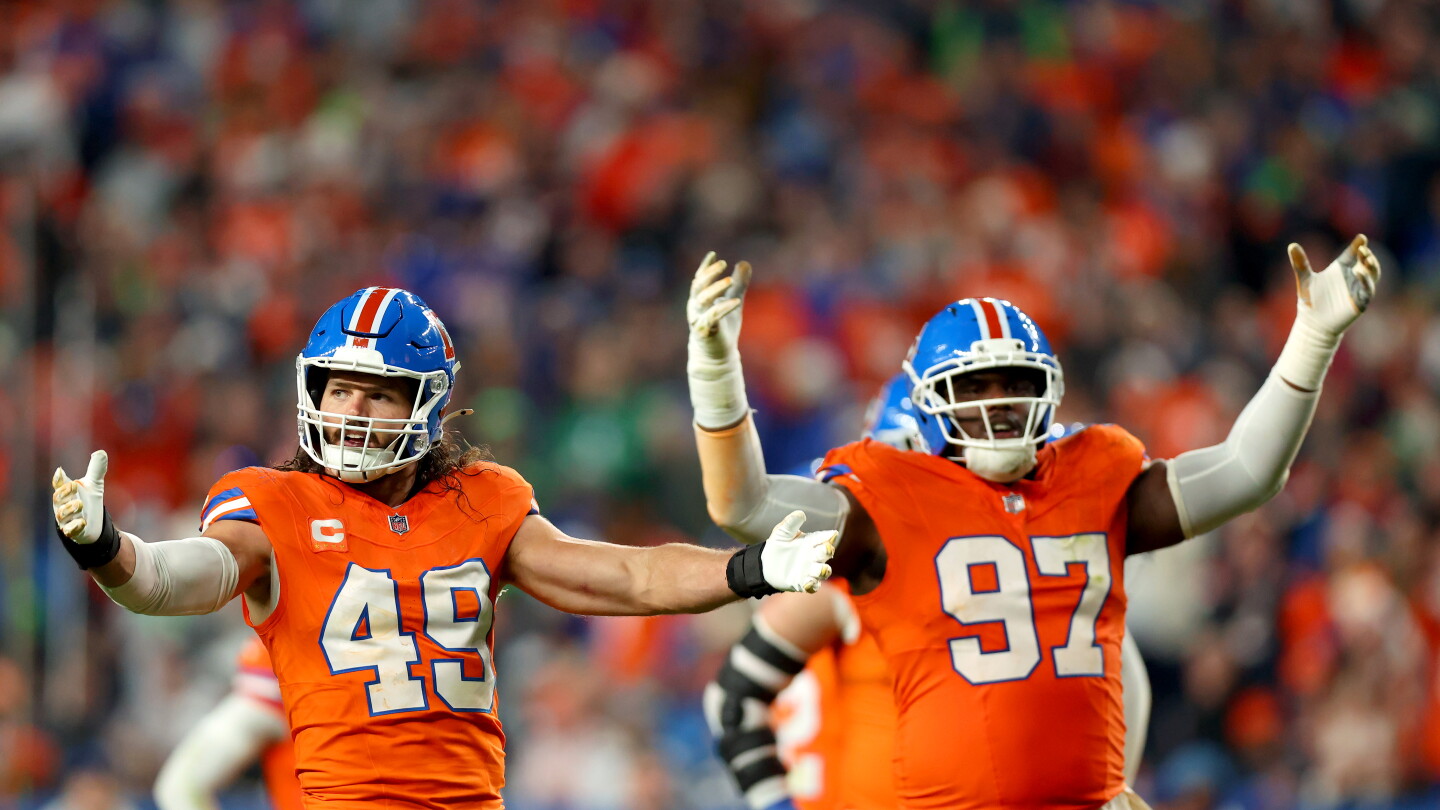
Broncos vs Seahawks: Denver survives overtime scare 17-14
Denver blinked late, but Wil Lutz bailed it out in overtime after a Ja'Quan McMillian interception. The Broncos still own a stubborn home streak, and the Seahawks left another one behind.

Seahawks Inactives: Robert Henry Again Left on the Sidelines
Robert Henry is inactive again for Seattle on Thursday night, a small roster note that says something bigger about trust, depth, and the Seahawks’ running game.