
Sean Payton Cheating Accusation: Broncos Coach Won’t Apologize
A petty sideline feud says more about power than etiquette.
 Beatrice Kensington5 min read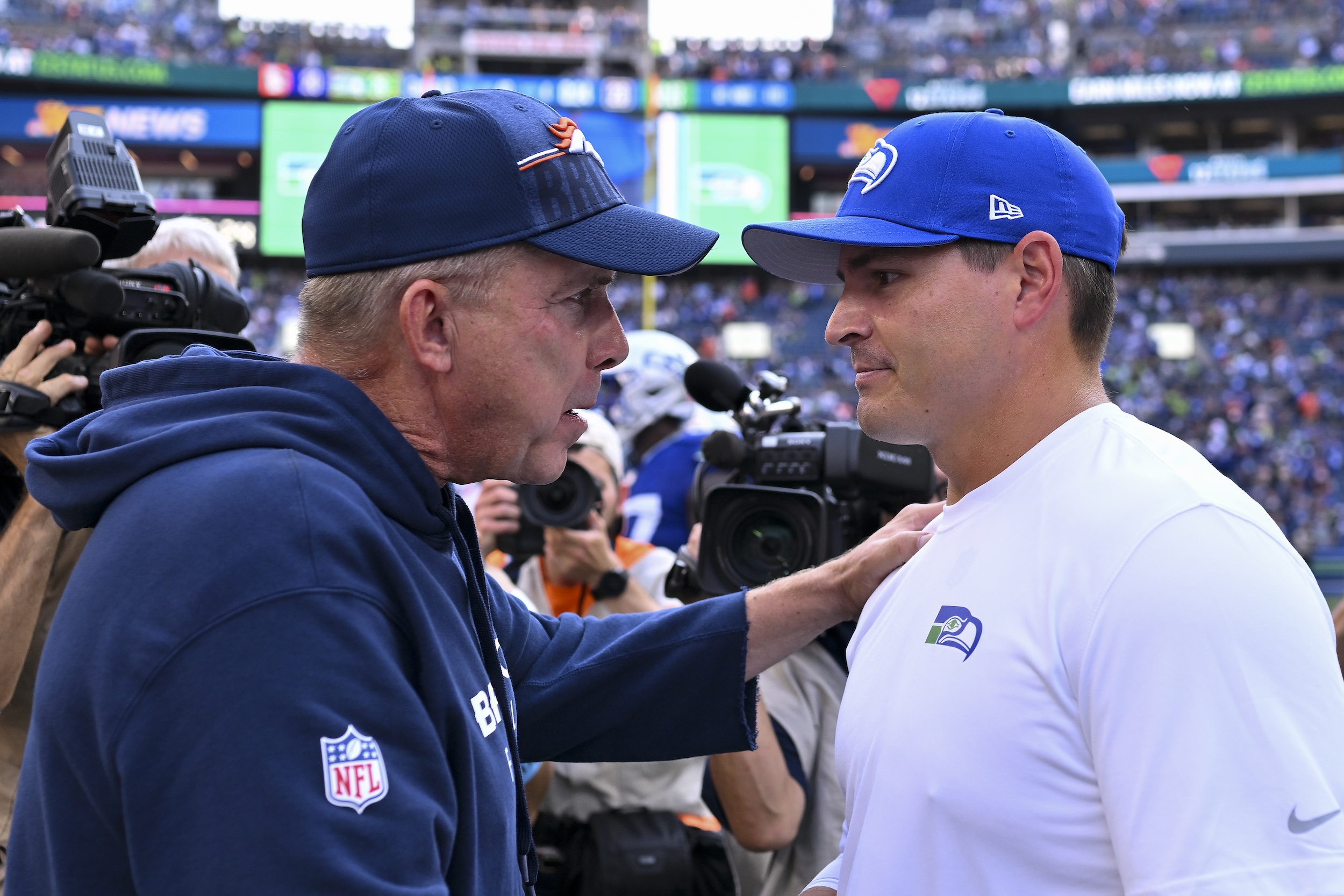
The accusation lingered longer than the play itself
Sean Payton did what veteran coaches so often do when the temperature rises: he reached for suspicion before he reached for restraint. By falsely suggesting Seattle was up to something improper, the Denver Broncos coach turned a routine competitive moment into a public slight, and then, when the dust settled, declined to do the decent thing and fully own it. That is the part worth dwelling on. Not the heat of the exchange — the NFL has always had plenty of that — but the stubbornness afterward, the choice to stand in the doorway of embarrassment and pretend it was a tactical stance.
The league is full of coaches who see ghosts. Some of them even catch one now and then. But there is a difference between competitive distrust and the casual poisoning of another man’s reputation, especially in a sport that still asks its leaders to model professionalism while they lecture everyone else on discipline. Mike Macdonald, the Seattle Seahawks coach, was left to wear the implication without the evidence. That kind of thing has a way of sticking. It is the coaching equivalent of a wet footprint on a polished floor.
Why this matters beyond a sideline flare-up
This is not just about bruised feelings between Sean Payton and Macdonald. It touches the core of how authority works in the NFL. Coaches are given extraordinary latitude to shape narratives, to set tone, to explain away failure or amplify triumph. When one of them throws out an accusation without foundation, he is not merely indulging in gamesmanship; he is testing how much reputational damage he can inflict while still being treated as a serious adult in the room.
Payton has always carried himself like a man who believes the room belongs to him. Sometimes that confidence reads as command. Other times it curdles into theater. This felt like the latter. And because the league’s culture still rewards swagger more readily than humility, the fallout is usually cosmetic. An apology is offered in the vaguest possible language, a few clips circulate, and everyone moves on as though the record were clean. But the record is not clean. Not really.
For Denver, this is also a reminder that a franchise trying to crawl back toward respectability cannot afford avoidable distractions. The Broncos are attempting to build something stable after years of churn, and the head coach’s voice matters every bit as much as the quarterback’s arm. When the message from the sideline becomes petty or paranoid, it leaks into the whole operation. Players hear it. Opponents hear it. The public hears it.
The old rivalry is fading, but the sting is not
There was a time when Denver Broncos vs. Seattle meant something larger than a regular-season date on a schedule. Super Bowl XLVIII still hangs over the matchup like a storm cloud that never fully left town. That game is a scar and a shorthand, the sort of thing fans use to explain old resentment without needing many words. But the modern NFL is a centrifugal machine. Conferences separate. Rosters change. Memory thins.
And yet these incidents keep the old feeling alive in miniature. Even without a true annual rivalry, the tension between Denver and Seattle carries a residue of history. That is why Payton’s accusation landed with more force than a random coach’s gripe might have. It was not just a complaint. It was another thumb pressed into an old bruise.
In the NFL, arrogance is often mistaken for edge until it becomes evidence of something smaller.
For Seattle, the best answer is usually not a statement but a continuation: keep winning, keep deflecting, keep letting the football do the talking. That is easier said than done when the opposing coach hands you a grievance to carry around like a cheap insult. But teams that are building an identity do well to remember that dignity can be louder than outrage.
Sean Payton’s refusal to grovel says plenty
I have always believed apologies reveal more about a coach than speeches do. A real apology costs something. It concedes that the man in the headset is not the only adult in the building, and that certainty can be as dangerous as ignorance. Payton’s refusal to truly grovel suggests a deeper instinct: he would rather be seen as hard-edged than mistaken, even if the latter is plainly the more honest account.
That instinct has a lineage in the NFL. From Bill Belichick to a long parade of copycats, the league has long admired the coach who treats accountability like a trap. But there is a thin line between guarded and graceless. Cross it too often, and the image shifts. You stop looking like a mastermind and start looking like a man who cannot bear the humiliation of being ordinary.
I do not think this will destroy Payton’s standing. The league is not built for moral purges, and coaches with rings, résumés, or reputations are granted more grace than they deserve. Still, episodes like this alter the weather around a team. They tell players what kind of honesty is welcome and what kind is punished. They tell opponents where the ego lives. They tell the rest of us whether a coach can survive being wrong without trying to drag someone else down with him.
What to watch the next time these teams cross paths
The schedule may not gift us a rematch soon, and that is a shame for anyone who likes clean closure. But the next Denver-Seattle meeting, whenever it comes, will carry an extra layer of theater whether the teams deserve it or not. Watch the handshake line. Watch the pregame body language. Watch whether Payton chooses restraint or reaches again for the old habit of turning suspicion into a message.
More than that, watch how his own players respond. Great teams can absorb a coach’s quirks. Fragile ones inherit them. That is where this story lives now: not in the initial accusation, but in whether Denver’s culture is sturdy enough to keep one man’s vanity from becoming everybody’s problem.
The NFL is always telling us it values accountability. Here is a small test of whether that claim reaches the sideline. Payton has already made his choice. The next move belongs to the league, to Seattle, and to everyone who still thinks credibility matters.
More from Straight From The Bench
Comments
Join the conversation — sign in to leave a comment.
Sign in to commentRelated Stories
NFL Week 3 Picks: Upset alerts and score predictions
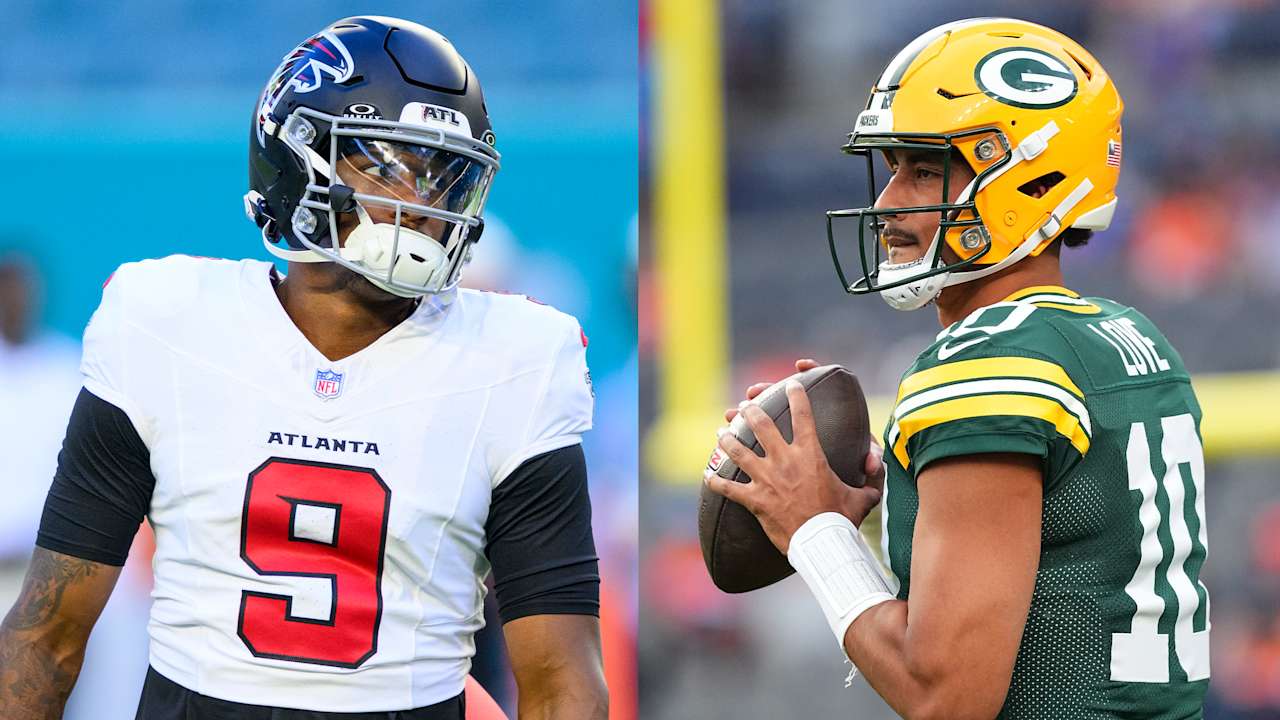
Michael Penix Jr. is back, the Falcons get a swing at Green Bay, and Week 3 has real upset juice from Brazil to Sunday night.
Josh Jacobs case: judge denies request to seal evidence
A Wisconsin judge refused to permanently seal evidence from Josh Jacobs’ criminal case, keeping an uncomfortable story in the daylight. That matters more than the paperwork crowd wants to admit.
NFL Week 3 Picks: Straight Up, ATS and Survivor Pool
Week 3 in the NFL always has a way of embarrassing anybody who thinks they’ve got a lock. The spreads are twitchy, the survivor pool feels safer than it is, and the wise money is usually the boring mo