
Seattle Seahawks Ownership Change: Khosla Family Faces Old Wounds
Another new era in Seattle, and the ghosts of past ownership still linger.
 Beatrice Kensington6 min read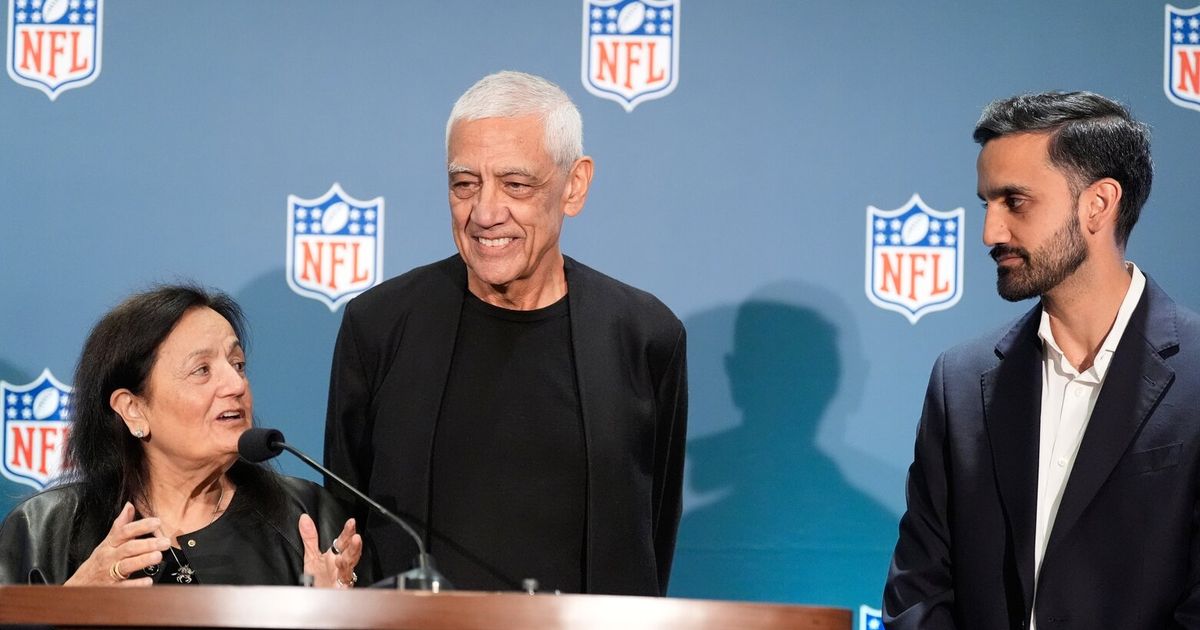
The Khosla family will walk into Lumen Field this week carrying more than a set of keys and a formal introduction. They will inherit a franchise that has become a civic fixture, yes, but also a city’s long memory — and in Seattle, sports memory is rarely sentimental for long. The welcome will be polite. The scrutiny will be immediate.
This is how it goes here. A team changes hands and the conversation does not begin with payroll or the draft board. It begins with trust. Who protected the club. Who traded it like an asset. Who understood that in Seattle, a sports team is not merely an entertainment property but a piece of civic furniture, worn smooth by years of use, argument, and affection.
Seattle knows the difference between stewardship and ownership
The Seattle Seahawks are not the first major team in this city to pass from one set of hands to another, and they will not be the last. But every sale reopens old questions about what sports franchises owe the places that make them rich. Seattle has lived through that tension before, in baseball, in basketball, in hockey, in the uneasy arithmetic of ambition and abandonment.
That is the shadow hanging over this introduction. Not because the Khosla family has done anything wrong — they have not, at least not in public view — but because Seattle has been trained by experience to ask a harder question than most fan bases: what exactly does the new owner think the team is for?
If the answer is merely profit, the relationship frays. If the answer includes community, continuity, and a sense of obligation to the city that fills the building and buys the jerseys, then the mood can shift. Slowly. Carefully. Trust is not handed over with the deed.
Why this moment stings more than it should
There is a human ache beneath every ownership transition, and it is not limited to the executives in the suite. Fans feel it too, because a franchise’s identity is often braided to the people who have handled it longest. A team can survive bad drafts and ugly seasons. What unsettles a city is the fear that its club might be treated as interchangeable.
Seattle has seen that fear before. It has watched the Seattle Supersonics disappear from the civic map and leave behind a scar that still colors every conversation about sports power and accountability. It has lived through the long, distrustful aftertaste of relocation talk, stadium politics, and the sense that emotional capital can be drained by people who will never have to sit with the loss.
So when a new ownership group steps forward, it is never just a business story. It is a memory test.
The Seahawks are in a different place now than the Sonics were then, anchored by deep fan devotion and an established football identity. Still, the lesson lingers: once a city has learned that teams can be moved, neglected, or leveraged, it stops accepting warm language at face value.
The franchise is bigger than the family name
That is why Wednesday’s introduction at Lumen Field matters beyond ceremony. Public appearances in sports are often treated like set dressing, but they serve a purpose. They tell the city whether the new regime understands the room. They reveal whether an owner sees fans as partners in a common ritual or as customers in a marketplace.
The Seahawks are entering a phase in which leadership, not just roster talent, will shape perception. Ownership does not win games on Sundays, but it can create the conditions that help a football operation breathe. It can empower football people, or clutter them. It can keep the focus on the field, or pull attention toward private drama and public drift.
There is a reason this moment lands with extra force in a league like the NFL. Football franchises are among the most visible public institutions in American sports, and their owners are, willingly or not, local symbols. They stand in for wealth, power, taste, and restraint. When they speak, the city listens for tone as much as substance.
Seattle does not just want a new owner. It wants proof that the team will be treated like a civic trust, not a trophy.
What the old ownership changes taught this city
Seattle’s sports history is full of lessons about scale and attachment. The SuperSonics remain the clearest warning, but they are not the only one. Across decades, the city has learned how quickly enthusiasm can curdle when leadership becomes detached from place. Teams can be profitable and still alienate the people who sustain them. They can make money and still lose legitimacy.
That is the real backdrop for the Khosla family’s arrival. They are not inheriting a blank slate. They are stepping into a market that remembers every relocation scare, every broken promise, every time the fans were asked to be patient while someone else held the leverage.
And yet, there is room for optimism if the new owners understand that Seattle’s skepticism is not hostility. It is a form of love with a good memory. Fans here do not need performance art. They need seriousness. They need continuity. They need to know the people writing the checks also understand the emotional ledger.
For a franchise like the Seahawks, that means resisting the temptation to become remote. It means treating the practice facility, the stadium, the neighborhood, and the fan base as part of the same ecosystem. It means remembering that a football team is not only a brand but a weekly civic gathering, one that shapes the mood of a region from September through winter.
I have always believed ownership is the least romantic and most consequential relationship in sports. Players change. Coaches change. Seasons, by design, end. Ownership, though, sets the weather. It determines whether a club feels stable or slippery, rooted or opportunistic. And in a city like Seattle, where memories of loss have not fully faded, the weather matters.
The Khosla family can make a favorable first impression this week. They can say the right things, show the right deference, and promise the right kind of long-term thinking. But the real verdict will come later, in the quieter test of choices: who they empower, how they spend, how they communicate, and whether they understand that the badge on the helmet carries a civic weight their balance sheets cannot measure.
Those are the stakes, not the photo op.
What to watch after the introduction at Lumen Field
Watch the tone first. Watch whether the new ownership group speaks like caretakers or financiers. Watch how quickly they align themselves with the football operation, and whether they seem eager to project patience rather than novelty.
And watch the city’s reaction. Seattle can be welcoming without being naive. If the Khoslas grasp that distinction, they will give themselves a chance to become part of the place rather than simply the latest people who own it.
The ceremony will pass. The season will begin. The hard work will start after the cameras leave.
More from Straight From The Bench
Comments
Join the conversation — sign in to leave a comment.
Sign in to commentRelated Stories
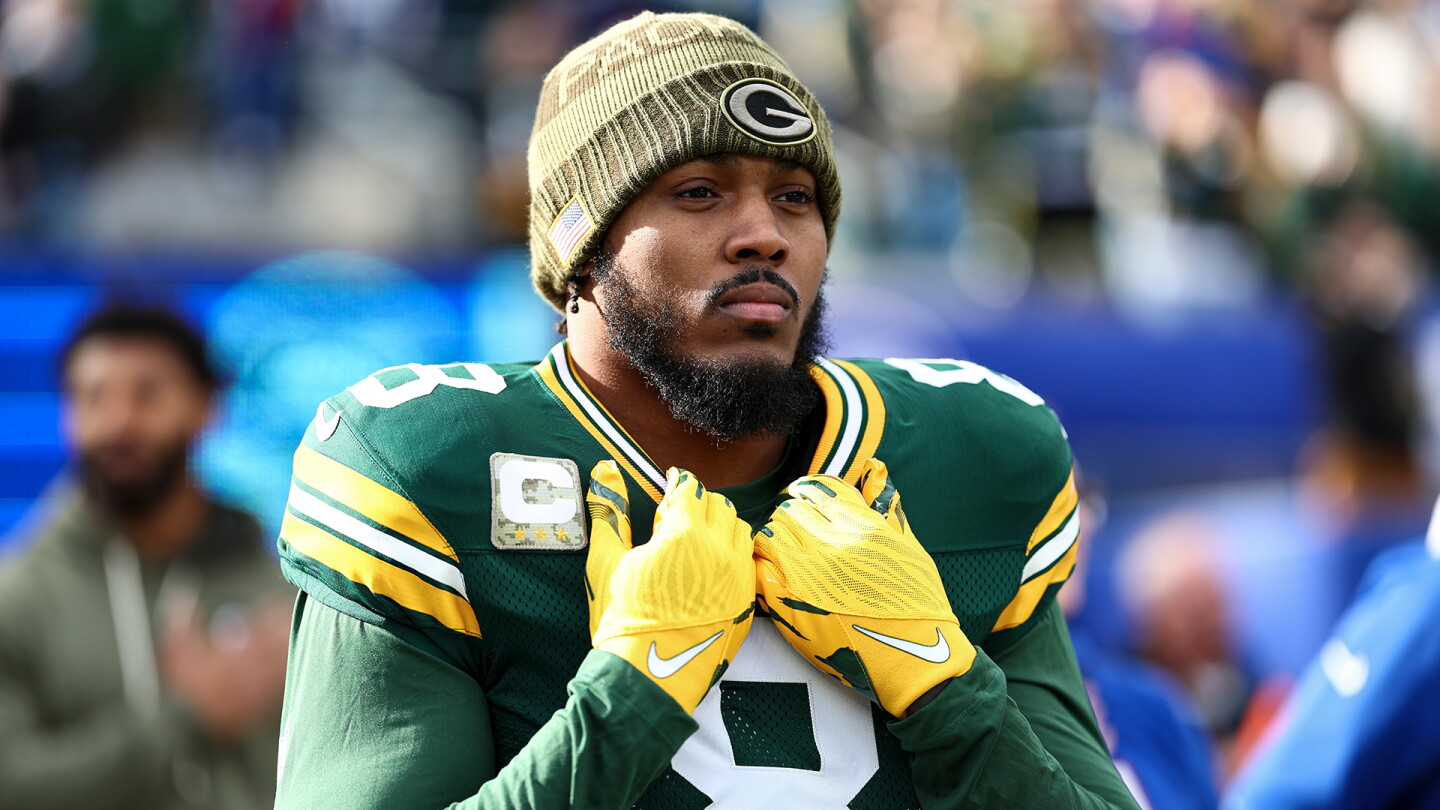
Josh Jacobs Court Appearance Delayed to September 10
Josh Jacobs’s first court date has been moved up, a small procedural shift with a large football shadow. For Green Bay, paid leave means every day matters in a case that now sits inside the season's c
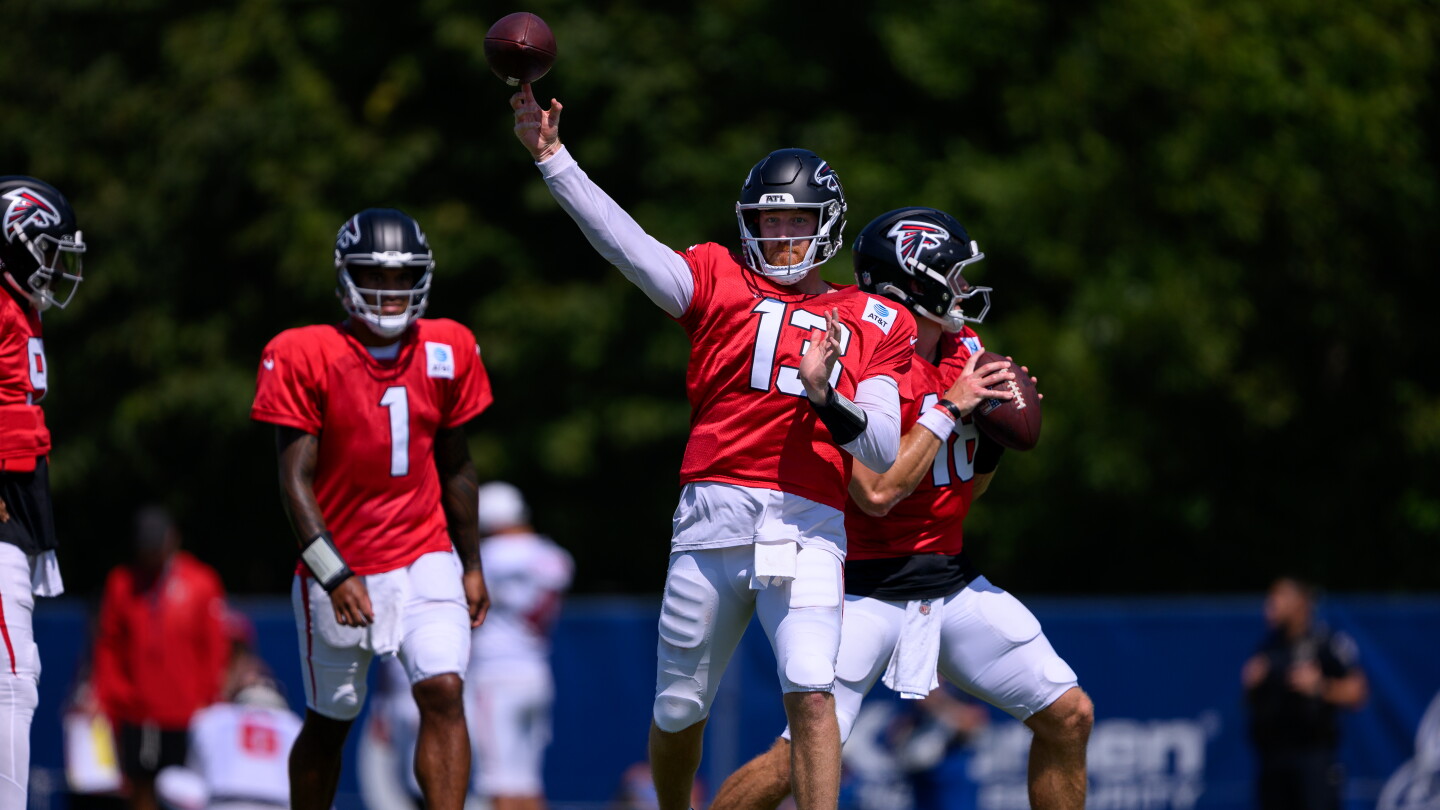
Falcons Starting Quarterback Battle: Atlanta Still Won't Say
Atlanta still hasn’t named its starter with the opener looming. That’s a bad look, and it says plenty about where this offense really stands.
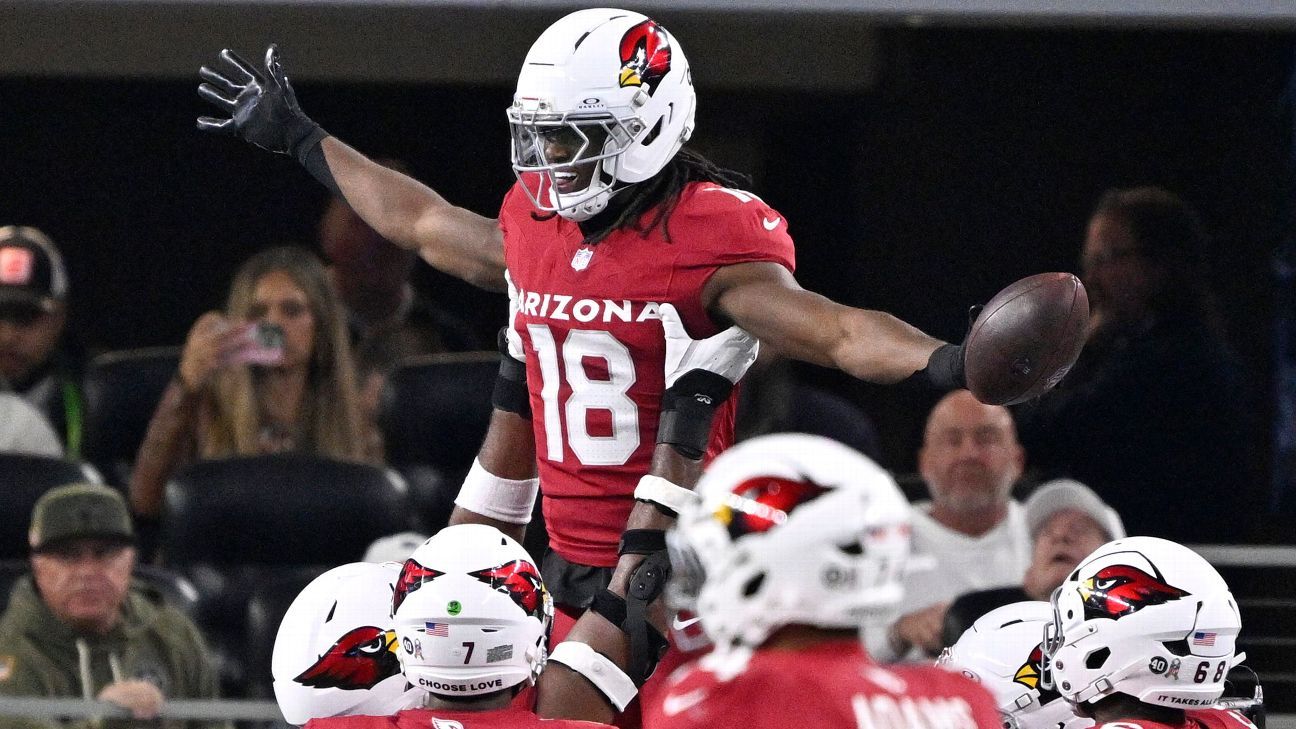
NFL season X factors: Marvin Harrison Jr., Jared Verse, Travis Hunter
The NFL is one week from kickoff, and the league’s success stories might hinge on a handful of high-end young players. Harrison, Verse and Hunter are carrying more than hype.