
SEC ruling: teams blocked from punishing players with NFL ties
A judge just put a hard stop to a very modern kind of college football overreach.
 Beatrice Kensington6 min read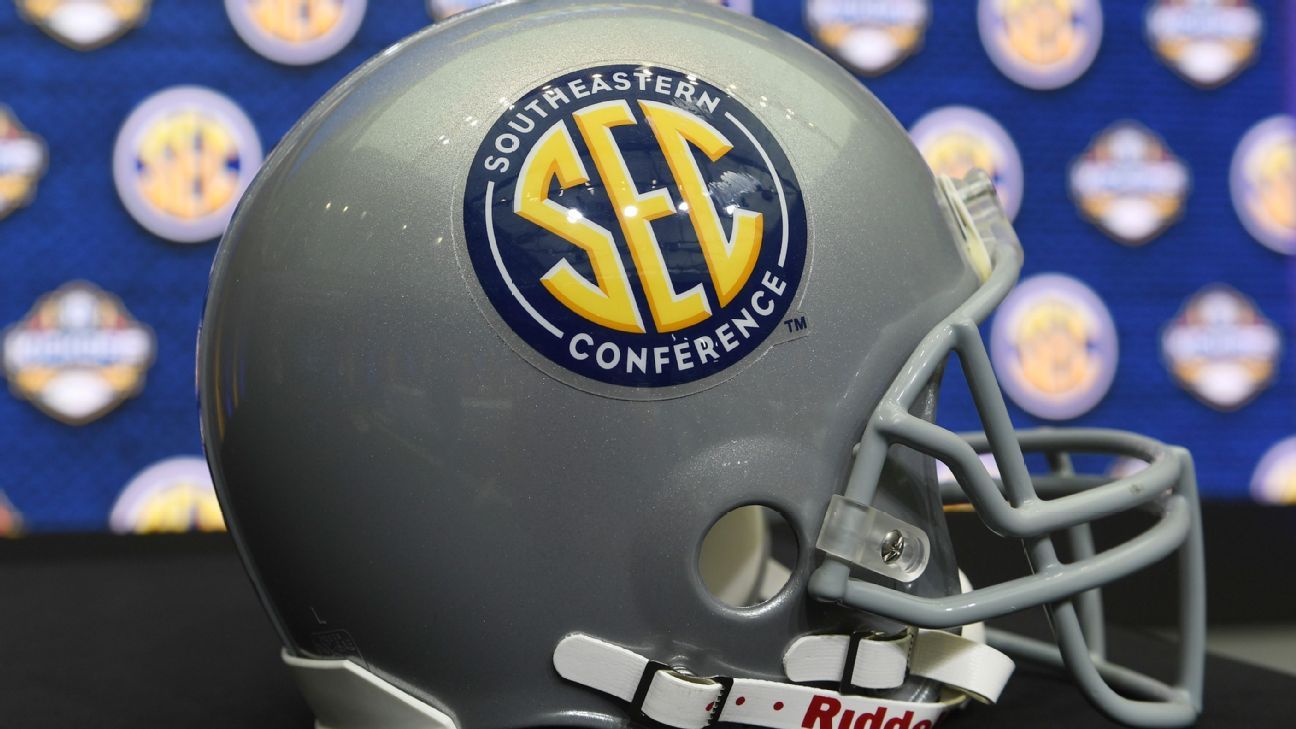
The Southeastern Conference has spent years policing the edges of power, but this time a judge drew a cleaner line than the league did. A temporary restraining order has blocked the SEC from enforcing a new rule that would threaten harsh penalties against any school that uses a player who previously signed a contract with an NFL team. It is a small legal phrase with a large shadow. What it really says is that one of college sports’ most powerful conferences cannot casually convert a professional detour into a college death sentence.
The details matter because this was never about paperwork alone. It was about leverage, and about who gets to decide whether a player’s attempted leap to the pros becomes a permanent exile from the college game. In a sport built on the borrowed labor of young men, the SEC’s move read like an old instinct dressed in new clothes: if an athlete looks toward the professional ranks, make the return path narrow, uncertain, and expensive.
The SEC tried to draw a hard line
The rule at the center of this dispute would have let the conference punish schools that fielded players who had once signed a contract to play in the NFL, NBA, or WNBA. In practical terms, that meant a college football player who chased an NFL opportunity, then came back to campus, could have become a liability for his own program. Not just for him. For the school, the coach, the locker room, the season.
That is the sort of rule that can freeze a roster in place by fear alone. Coaches do not like uncertainty, athletic directors like it even less, and conferences like the SEC tend to prefer control wrapped in the language of order. But this one carried a faintly punitive scent. It felt less like governance than deterrence. A warning shot.
And now it has run into the oldest force in American sports: the legal system, which has become one of the few institutions willing to tell college athletics that its appetite for control has limits.
College football’s transfer of power is not finished
This dispute does not arrive in a vacuum. College sports has been rewired by NCAA upheaval, transfer freedom, name-image-and-likeness money, and the growing sense that the athlete is no longer a fixed asset but a mobile one. That shift has unsettled traditional power brokers. It has also exposed how much of the old model depended on athletes having fewer choices and weaker rights.
The SEC’s proposed penalty would have extended the old discipline into a new era. You can almost hear the logic underneath it: if a player signs away to the pros, then comes back, the conference should be allowed to slam the door. But college football has already been living through a long erosion of that kind of paternalism. Players transfer. Players test the draft. Players return. The system bends because the talent has finally learned it can move.
That is why this ruling matters beyond one conference. If the SEC cannot make an example of a player for taking a pro swing and returning, other leagues will think twice before trying to write fear into the rulebook. The message is simple, and not especially flattering to the old order: you can demand discipline, but you cannot always demand obedience.
Why schools and coaches should be paying attention
For coaches, this is not an abstract liberty issue. It is roster construction. It is depth chart survival. It is the difference between having a player available in November and losing him to bureaucratic anxiety in August. The modern college football season is already a tightrope walk, with injuries, the transfer portal, and recruiting cycles pulling at every seam. Add a conference rule that could punish a program for one player’s previous professional flirtation, and you have administrative chaos masquerading as policy.
It also places schools in a strange moral crosswind. They recruit players as though they are future stars, celebrate them when they flirt with the pros, and then often act wounded when those same players seek to return. The game wants ambition when it fills highlight packages. It wants obedience when the future becomes complicated.
That tension is not unique to the SEC, but the SEC is where these matters tend to land with the most force, because its football identity has been built on dominance, tradition, and the idea that control is a competitive advantage. A conference that tries to govern by threat is admitting it fears the one thing it can no longer fully contain: player autonomy.
My read: this is about more than one rule
I have long thought that college sports’ greatest fiction is the claim that its rigidity protects the game. It usually protects the hierarchy. There is a difference. When institutions announce that a player’s attempt to reach the pros can be used against his school, they are not preserving competitive integrity. They are defending a chain of command that has outlived its moral usefulness.
This case feels like part of a larger reckoning, one that has been gathering for years and now arrives in flashes of legal language and conference panic. The amateur era is not being replaced by paradise. No one should pretend otherwise. It is being replaced by a market, and markets can be cruel in their own polished way. But even a market is preferable to a system that pretends athletes should never be allowed to step outside the fence and then ask to come back through the gate.
The SEC did not just reach for authority here. It reached for a veto over ambition.
There is also a cultural question beneath the legal one. What do we owe a player who leaves, learns, and returns? In another era, college football loved the redemption story when it could package it neatly. This one is messier. The athlete comes back with a sharper sense of value, and that makes the old authorities nervous. It should.
For the SEC, the ruling is a setback. For players, it is a reminder that the courtroom has become one of the few places where the game’s most powerful habits can still be checked. And for everyone else, it is another sign that college football is drifting, however unevenly, toward a future it has spent decades resisting.
The next move will tell us plenty. Whether the conference narrows its ambitions, appeals, or simply waits for a different opening, this fight is not over. It rarely is when power has grown accustomed to speaking first.
More from Straight From The Bench
Comments
Join the conversation — sign in to leave a comment.
Sign in to commentRelated Stories

49ers fraud arrest: man posing as player exposed in federal case
A man reportedly posed as a 49ers player before federal authorities stepped in, turning a strange week in San Francisco into a fraud case with real stakes. The con may be small on paper; the message i

Patriots 53-man roster projection: unanswered questions before cuts
Training camp is done, the preseason has faded, and the Patriots now face the clean, hard arithmetic of roster cuts. The final 53 may tell us as much about their future as their present.

Patriots vs Browns preseason game: 10 things we learned
The Patriots closed preseason with a flat loss in Cleveland, but the tape still gave away roster clues. The boring part was the point: this is about jobs now.