
Seneca Driver High School Football Hit: Oklahoma Commit Sparks Buzz
One thunderclap of violence, and the Friday-night mythology swelled another size.
 Beatrice Kensington6 min read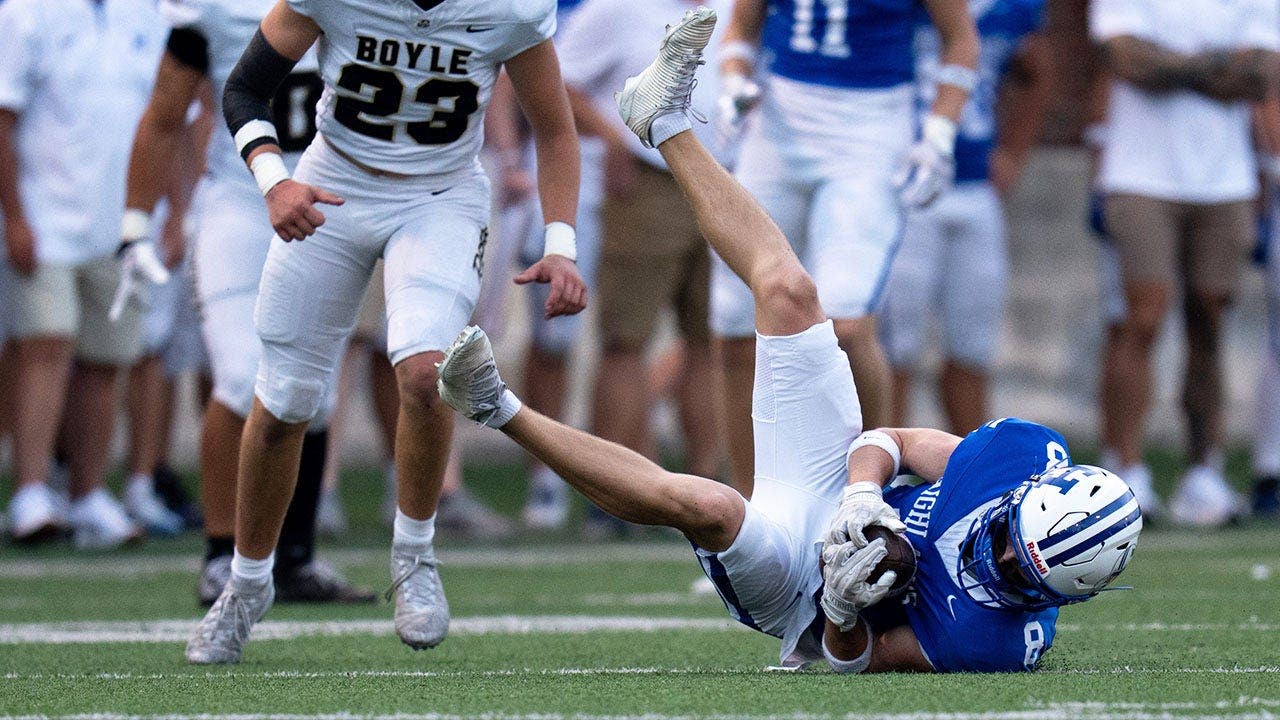
On Friday nights, the game still has a way of stripping the varnish off everything and showing you the raw timber underneath. Seneca Driver, Oklahoma’s prized tight end commit, did exactly that when he delivered a bruising hit after an interception, dropping a defender to the turf with the kind of force that sends a crowd into that half-shout, half-gasp only football can summon.
The clip is already doing what clips like this always do: traveling fast, edited down to the split-second when physics turns theatrical. But the fascination here is not only the violence of the moment. It is the age-old college football truth that recruiting is no longer just about body type, hands, and projected draft ceilings. It is about imagery. It is about what a player looks like when the lights hit him and the helmets collide.
The collision that made everyone look twice
Driver’s hit came after an interception, which matters because it changes the emotional weather of the play. A turnover already belongs to the defense; the adrenaline is high, the field is tilted, and the ensuing contact often feels louder than it is. Even so, this was not a routine finish. The defender did not merely get knocked backward. He got folded into the ground with a jolt that made the sequence feel like a statement.
That is why the clip caught fire. Not because high school football needs another proof of manhood—Lord knows it has built enough of those myths already—but because Driver moved with the kind of downhill aggression that coaches love and opponents remember. A tight end commit who can block with force is already valuable. One who can do it with an aura of menace becomes part athlete, part recruiting marketing reel.
For Oklahoma, this is the sort of moment that quietly flatters the program’s future. The Sooners have spent years chasing the balance between speed and violence, space and grit. A prospect who can make an impact in the open field and then leave a highlight behind him is the sort of piece that fits the modern arms race.
Why the clip hit harder than a normal highlight
There is always a social-media temptation to turn every violent football play into a morality play about toughness. That is a mistake. What makes this one notable is not that someone got flattened. It is that the play arrived packaged inside the familiar romance of Friday night—band stands, field lights, and the false simplicity of a game that is anything but simple once bodies start flying.
High school football remains one of the last places in American sports where a single play can still feel local and mythic at the same time. The crowd knows the players. The parents know the stakes. The prospect knows that every twitch of his helmet may follow him to college and beyond. One snap becomes a résumé line. One hit becomes a calling card.
Driver’s profile is already elevated because of the commitment to Oklahoma, and that changes the way these moments are consumed. If he were merely a good local player, the clip would still spread, but it would spread with less weight. Recruiting has made even the most fleeting plays legible to a national audience. A teenager’s block can now be treated like evidence in a case file.
The modern recruit is not just being evaluated; he is being narrated.
That is the real engine here. The football was real, the contact was real, and so is the online appetite for a teenager who appears to play with bad intentions. But there is a line between appreciating force and fetishizing it. The sport has a long memory, and it rarely rewards the habit of celebrating the hit more than the player’s development.
What it signals for Oklahoma’s future front line
The best version of this story is not the viral clip. It is the bigger arc. Oklahoma’s recruiting machine has always lived on the promise that the right athlete can be shaped into something more dangerous at the next level. Driver, as a tight end commit, fits the old American football ideal: large enough to create problems in the run game, athletic enough to create mismatches in the passing game, mean enough to finish blocks the right way.
That combination is gold in Norman. It also makes him valuable to any offense trying to survive in an era where size alone no longer intimidates anybody. The modern tight end must be two players at once, a body in the alley and a threat seam to seam. If Driver’s physicality shows up on defense, too, that only deepens the appeal. The game keeps leaning toward versatility, and prospects who can change the geometry of a play before the ball is even snapped are the ones schools chase hardest.
There is a broader cultural wrinkle here as well. College and high school football have spent years selling themselves as character-building enterprises, but the internet often strips those sermons down to raw spectacle. If you want the cleaner, more tactical side of the sport, you can look to the way organizations study coverage shells or blocking leverage. If you want the public version, you get a teenager blasting someone into the grass and a million people deciding what it means.
That is the tension. The sport wants to be admired for discipline. The audience keeps rewarding mayhem.
My read: this is about more than one loud hit
I have covered enough football to know that the industry never really falls in love with a play. It falls in love with what the play promises. A hit like Driver’s does not merely earn applause; it suggests a temperament, a competitive appetite, a willingness to impose. Those qualities have value, yes, but they can also become traps when they are mistaken for readiness.
I think that is the piece worth remembering. A teenager can plant a defender and still have a long road ahead of him. The next level will ask different questions: angle discipline, route detail, leverage, hands, patience. Power is a loud answer, but it is not the only one that matters. I’ve seen plenty of young players make a name off force and spend the next two years learning that college football does not care how good your clip looked on a phone screen.
Still, you cannot ignore the theater of it all. One hard play in September can lodge itself in the public imagination and shape the way a fan base talks about a recruit for months. Oklahoma knows this dance. So does every major program that recruits teenagers and turns their adolescence into an investment portfolio.
The buzz around Driver is not an accident. It is what happens when a big body, a big program, and a big hit all arrive in the same frame.
The next step is the one that always matters. Keep the edge. Keep the discipline. And see whether the violence of the moment can become something sturdier than a clip.
More from Straight From The Bench
Comments
Join the conversation — sign in to leave a comment.
Sign in to commentRelated Stories

Indiana Football Win Streak: Backup RB Saves No. 4 Hoosiers
Indiana was pushed harder than the final score says, then its backup back ran the kind of carry load playoff teams need in November.

Friday Football Frenzy: Week 6 Scores and Highlights
Week 6 brings another Friday-night sprint across Western North Carolina. The results matter, but so does the pressure building with every snap.

Lando Norris Baku F1 crash: FIA should consider race ban
Lando Norris says Franco Colapinto should face a race ban after the Azerbaijan GP pile-up that took out McLaren and Alpine cars. The complaint is bigger than one corner.