
Skip Bertman Death: LSU Baseball Legend and AD Dies at 88
The man who made LSU swagger didn’t just win games. He changed the temperature in Baton Rouge.
 Leo Lupo5 min read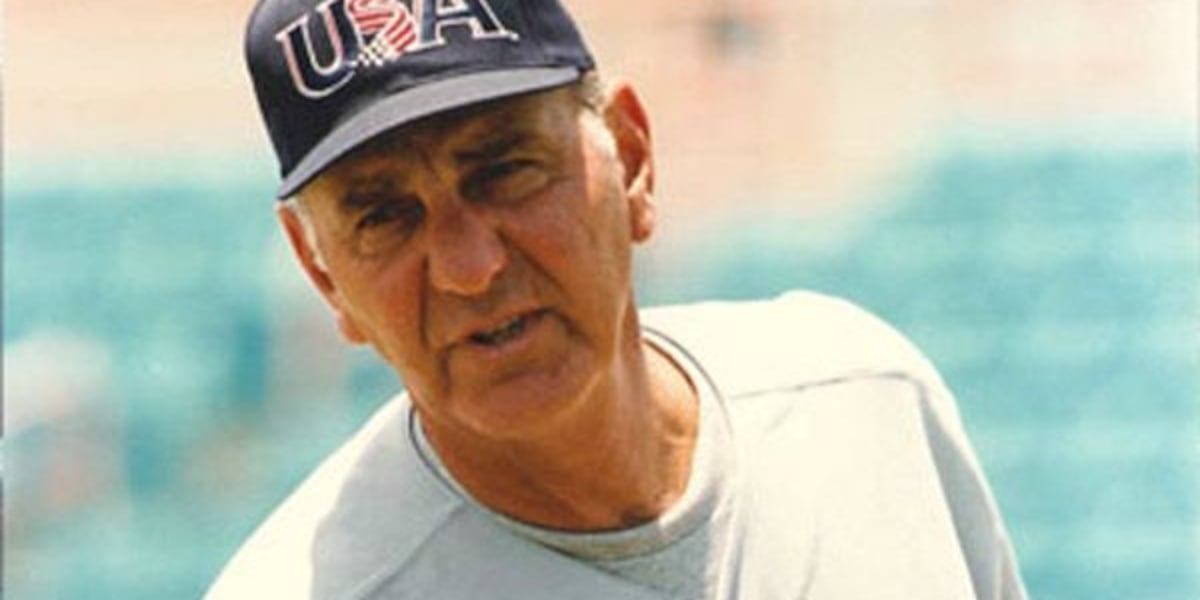
Stanley “Skip” Bertman is gone, and LSU just lost one of those rare figures who could walk into a room and bend the whole thing his way. Baseball men knew him. Administrators feared him. Fans in Baton Rouge adored him because he didn’t just rack up wins, he made the place feel bigger, louder, meaner in the best possible way. Bertman died at 88, and the sport he helped reshape is still living in the shadow of what he built.
LSU Baseball Before Bertman, and After It
People forget how ordinary greatness can look before somebody grabs it by the throat and drags it into the light. LSU baseball was a respectable program before Bertman arrived. Respectable won’t get you a statue in Louisiana. Bertman turned the Tigers into a national force, a program with teeth, a program that expected to be in the fight every spring and usually was.
That matters because college baseball is a grind with no glamour for most of the country. You don’t get the same television shine as football. You don’t get the endless parade of overpaid talking heads explaining your soul. You earn your place the hard way, through packed stands, relentless recruiting, and a culture that tells the next kid up the chain this is how we do business here. Bertman understood that better than almost anybody.
He made LSU baseball matter beyond Baton Rouge. He made it matter in Omaha. He made it matter to every kid who grew up in the South and figured if the Tigers came calling, you’d better listen.
The Athletic Director Who Knew What Pressure Looked Like
Bertman wasn’t content to just be the baseball guy. He became athletic director and, naturally, kept leaving fingerprints all over the place. That’s the thing with the truly influential ones: they don’t stay in their lane because they helped paint the road. LSU’s rise as a whole college sports power didn’t happen by accident. It happened because the place had somebody at the top who understood brand, ambition, and a very simple truth: if you want the big boys to respect you, act like you belong with them before they agree.
That’s why Bertman belongs in the conversation with the heavyweights of college athletics. Not the empty-suit types who talk a big game and leave behind a mess. The builders. The ones who change expectations. The ones whose names keep coming up decades later because the standard they set never really left.
His era at LSU overlaps with the rise of modern college sports as a business, and he handled that transition the old-fashioned way — by being aggressive, shrewd, and just abrasive enough to let everybody know he wasn’t there to make friends. In this racket, that usually works better than politeness.
Baton Rouge Lost More Than a Baseball Man
The loss hits harder because Bertman wasn’t just a man in a suit or a face on a brochure. He was tied to the identity of the place. LSU baseball became part of the culture there the way gumbo, Friday traffic, and football arguments are part of the culture there. If you wanted to understand Baton Rouge sports at a deep level, you had to understand why Bertman mattered.
He left behind a program that still carries his stamp. That’s the real measure. Anybody can have a hot run. A few can win a title. Very few leave behind an operation that keeps acting like winning is the floor, not the ceiling. LSU has had enough moments of chaos, like every big program does, but the Bertman blueprint still hangs in the walls.
And for younger fans who know LSU mostly as a constant contender, it’s worth remembering the dirty little secret of sports history: what feels normal now was usually built by somebody willing to be relentless when everyone else was just being careful.
Bertman didn’t just coach baseball. He taught LSU how to expect the bully’s seat at the table.
The Bertman Standard Still Lives on Every Spring
There’s a reason names like Bertman don’t fade. They become shorthand. A program has “a standard.” A department has “a culture.” Most of that is fluff cooked up by people who’ve never had to win anything. In Bertman’s case, the words fit because the results did the talking.
He also understood something a lot of administrators never do: college sports runs on emotion, memory, and a little bit of theater. Fans don’t line up for balance sheets. They line up for belief. Bertman sold belief and then backed it up with trophies and a program that scared the rest of the country. That’s not marketing. That’s architecture.
I’ve watched enough of this business to know when a place loses its spine. LSU isn’t losing its spine today, but it is losing one of the people who helped forge it. That’s a different kind of grief. It settles in the walls. It shows up when somebody says, “This is LSU,” and everybody in the building knows exactly what that’s supposed to mean.
What LSU Has to Carry Forward
The hard part now is simple to say and hard to do: keep the edge. Keep the expectation. Keep the appetite. Programs drift when the people who built the hunger are gone and nobody bothers to preserve it. LSU can’t afford that. Not with the history it has. Not with the brand Bertman helped sharpen.
For the university, this is a moment to honor the man in the proper way — not with syrupy speeches and cheap sentiment, but by remembering what he actually did. He raised the bar. He made excellence feel like a duty. That’s a legacy worth more than a hundred polished tributes.
And for the rest of college sports, the message is plain. The old builders are fading out, one by one, and the game keeps changing around them. NIL, transfers, TV money, the whole circus. Through all of it, Bertman’s example still cuts through the noise: choose boldness, demand standards, and make the place matter.
LSU will grieve him, and it should. Then it has to do what he would’ve respected most — get back to work, get back to winning, and keep the place loud enough that nobody forgets who taught it how to roar.
More from Straight From The Bench
Comments
Join the conversation — sign in to leave a comment.
Sign in to commentRelated Stories
Jayden Daniels LSU Number: Why the No. 5 Fight Still Hits
Jayden Daniels is still guarding the No. 5 like it means something bigger than laundry. In 2025, that instinct says plenty about the quarterback, the brand, and the standards around him.

Joe Burrow LSU number fracas: why this old vow still matters
LSU’s number politics have dragged Joe Burrow into a mess he didn’t ask for. That’s what happens when the shrine starts arguing with the living.
LSU No. 5 dispute: DJ Pickett expected to wear the jersey
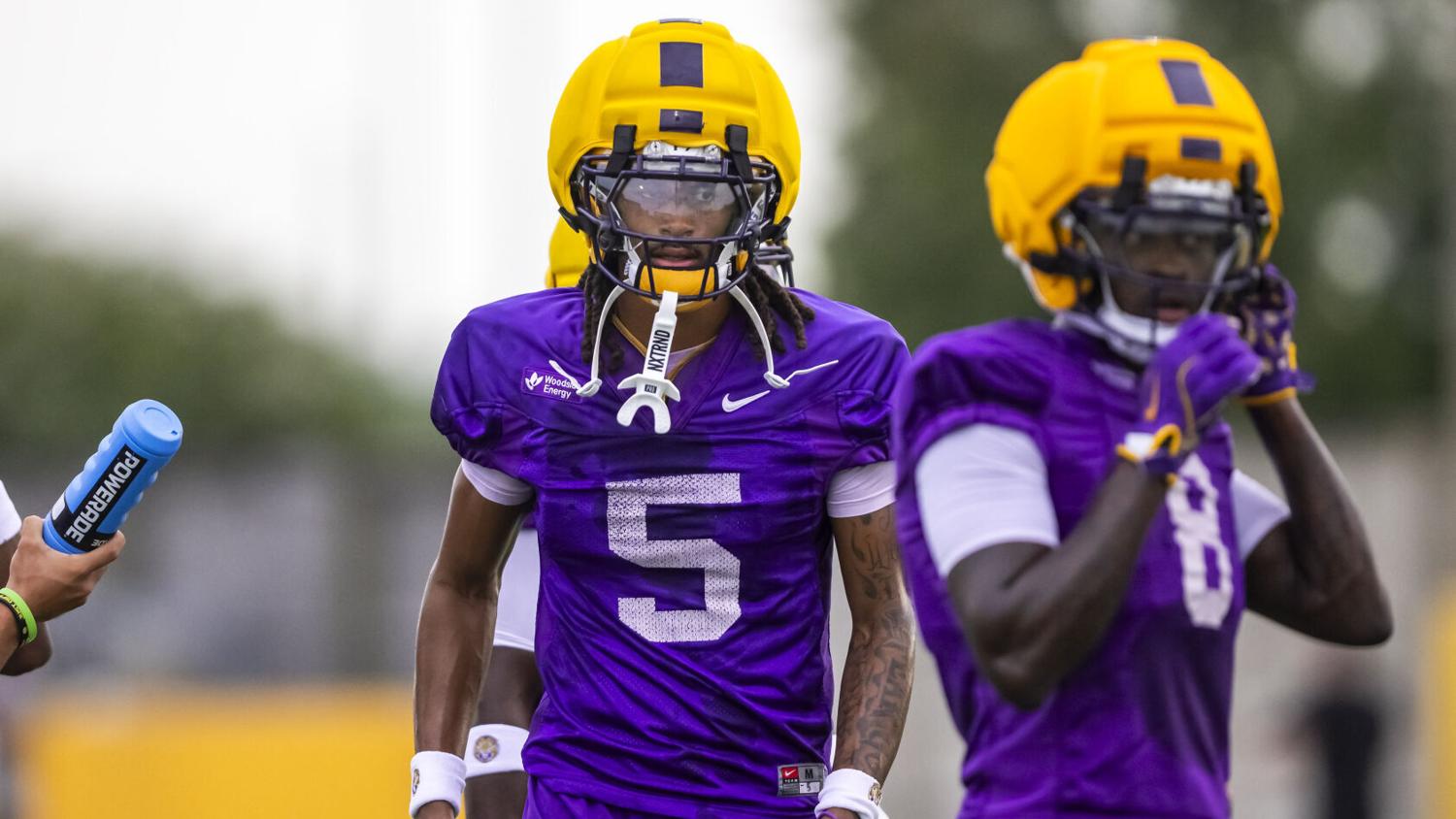
DJ Pickett’s family says he’s expected to wear No. 5 at LSU despite Jayden Daniels’ cease-and-desist letter. Now this turns from a jersey squabble into a program message.