
South Africa vs Wales: Springboks Cruise to 43-0 Durban Win
No drama, no mercy. Just a statement from a team still setting the standard.
 Zane Miller5 min read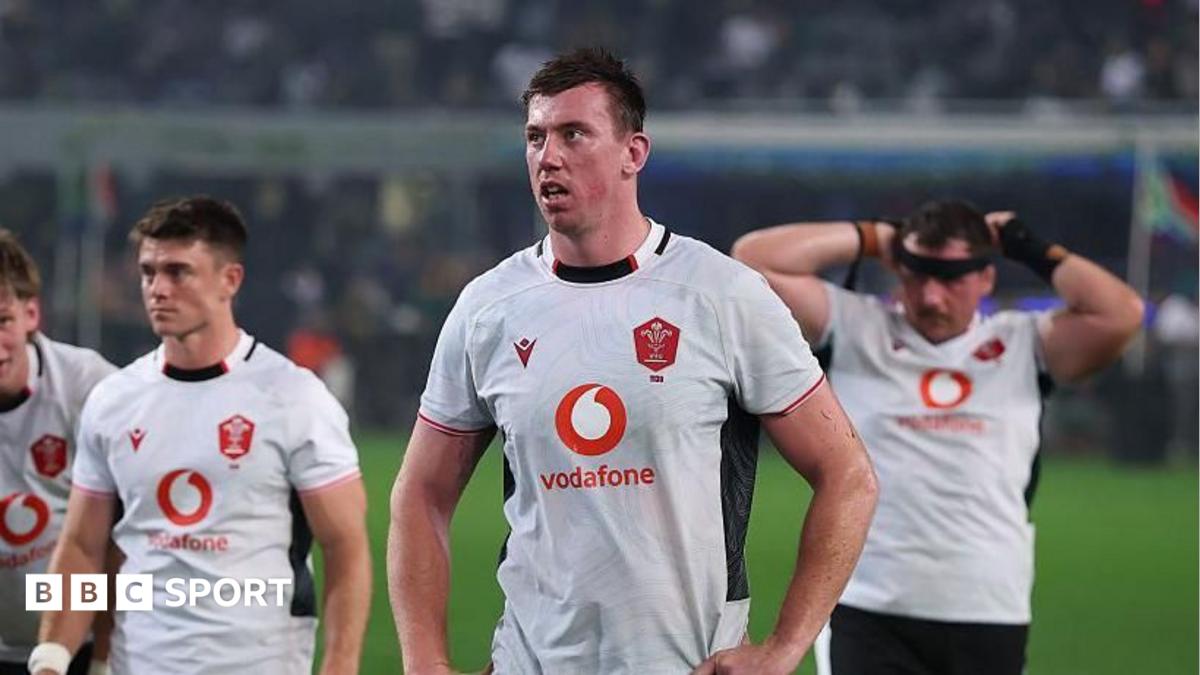
South Africa didn’t just beat Wales in Durban. They squeezed the life out of the contest and turned it into a reminder of what happens when a heavyweight finds its rhythm. A 43-0 win, seven tries, bonus point secured, and not much doubt from the opening stretch that this one was headed one way.
This was the Springboks doing Springboks things: front-foot collisions, heavy set-piece pressure, and the sort of defensive suffocation that leaves the other side chasing shadows. Wales never got into the game, never found enough clean ball, and never looked like a side that could live with South Africa’s physical tempo for 80 minutes.
Durban became a volume test, and Wales had no answers
The scoreline tells the story, but the deeper read is about how South Africa controlled the shape of the match. With Durban as the stage, the hosts leaned on the things that travel anywhere: scrum stability, line speed, and breakdown violence. That’s the Springbok template when it’s working, and it was working here.
Wales had to defend phase after phase, and that’s a brutal assignment against South Africa because it isn’t just one wave. It’s the next one too. Once the pressure starts turning possession into panic, the field position battle gets ugly fast. You could see it in the body language: Wales were spending too much time resetting, too little time threatening.
A seven-try win is one thing. A seven-try win with a clean sheet says the defensive structure stayed sharp even while the attack piled up points. That matters. Tournament rugby is built on margins, and South Africa are increasingly looking like a side that can win in different ways without losing their identity.
The Springbok depth chart keeps getting louder
Look at the team sheet and you can read the message. There’s power in the pack, but there’s also selection trust all over the field. Players like Damian de Allende, Kurt-Lee Arendse, Jesse Kriel, and Grant Williams bring pace and continuity, while the forward spine keeps the whole machine honest. That balance is the real flex here.
The important part for South Africa is that this wasn’t a one-off flash from the starters. It felt like a live audition for the wider squad. Coaches love a clean scoreboard, sure, but they love evidence even more: who handles the tempo, who finishes chances, who keeps the standards intact when the game is already broken open.
That’s where the real value sits in a result like this. It’s not just about the points. It’s about the selection competition it sharpens. Every good performance makes the next call harder, and that is exactly where elite teams want to live.
This was less a match than a message: the Springboks can still turn a Test into a warning label.
Wales are stuck in the ugly middle
For Wales, this was the kind of night that exposes the gap between effort and control. They weren’t short on willingness. They were short on territory, on possession quality, and on the kind of sustained threat that forces South Africa to think twice.
That’s the problem for a side in transition. Against the top nations, “competitive” is not a tactic. If you can’t stay connected to the scoreboard, your shape starts to fracture. Once South Africa sense that, they don’t just play. They hunt.
Wales also know this result will feed straight into every conversation about where they sit in the international hierarchy. Losses to South Africa are never a shock. But a blank like this is a different kind of bruise. It highlights how much work there is to do around ball retention, exit strategy, and resisting the pressure swings that elite opponents create so easily.
If you want the broader context, this is exactly the sort of fixture where tournament rugby separates the polished from the aspirational. And yes, it plays into the same old power dynamic that’s been hanging over the game for years: South Africa are built to punish mistakes. Wales, right now, are still trying to avoid making them in clusters.
What this means for the Nations Championship race
Results like this carry weight beyond the local scoreboard. In a short-format international schedule, bonus points matter, points difference matters, and confidence matters even more. South Africa banked all three.
The Nations Championship is still about accumulation, and the Springboks just added a clean, loud chunk to their ledger. That’s the kind of result that can affect seeding momentum, squad confidence, and how opponents prepare for the next meeting. Nobody wants to be the team that gets targeted after South Africa have found their edge.
I’ve seen enough of these cycles to know the pattern. The great South Africa sides don’t always look flashy. They look unavoidable. That’s the part rivals hate most. You can talk yourself into surviving for a while. Then the scrum turns, the maul drags you backward, the breakdown closes, and suddenly you’re not in a match anymore. You’re in an exercise.
The Springboks also keep proving something the modern game still resists: power and precision are not old-fashioned if you can execute them at speed. When the ball moves cleanly and the lineout functions, they become extremely hard to live with. That’s not nostalgia. That’s architecture.
The next check is consistency, not celebration
South Africa will enjoy this one, and they should. But the bigger test is whether they carry this level into the next fixture without drifting into casual mode. The top teams don’t just collect statement wins. They stack them.
Wales, meanwhile, need the reset button fast. The tape will be harsh, the questions fair, and the fixes obvious enough to sting. Against elite opposition, the gap is rarely mysterious. It’s usually just brutal.
For now, Durban belongs to the Springboks. And the rest of the field just got another reminder of how high the ceiling still is in green and gold.
More from Straight From The Bench
Comments
Join the conversation — sign in to leave a comment.
Sign in to commentRelated Stories

Angel Reese Suspension: Sandy Brondello’s WNBA Remark Stirs Heat
Sandy Brondello’s protected-species comment about Angel Reese lit up the WNBA’s group chat economy. The punishment was quick, the debate even quicker.
Josh Kerr Mile World Record: Britain's New Track Standard
Josh Kerr ran 3:42.66 in London to break the men’s mile world record, ending a mark that had survived since 1999. Middle-distance running just got loud again.

Caitlin Clark WNBA record: 45 points, 10 assists, 40-10 game
Caitlin Clark authored the first 40-point, 10-assist game in WNBA history as the Fever edged Seattle 110-107. The record book moved, but so did the league's center of attention.