
Summer McIntosh Pan Pacs Update: World Record Holder Skips 200 Fly
The Canadian star is choosing the lane that keeps the meet from becoming a traffic jam.
 Beatrice Kensington6 min read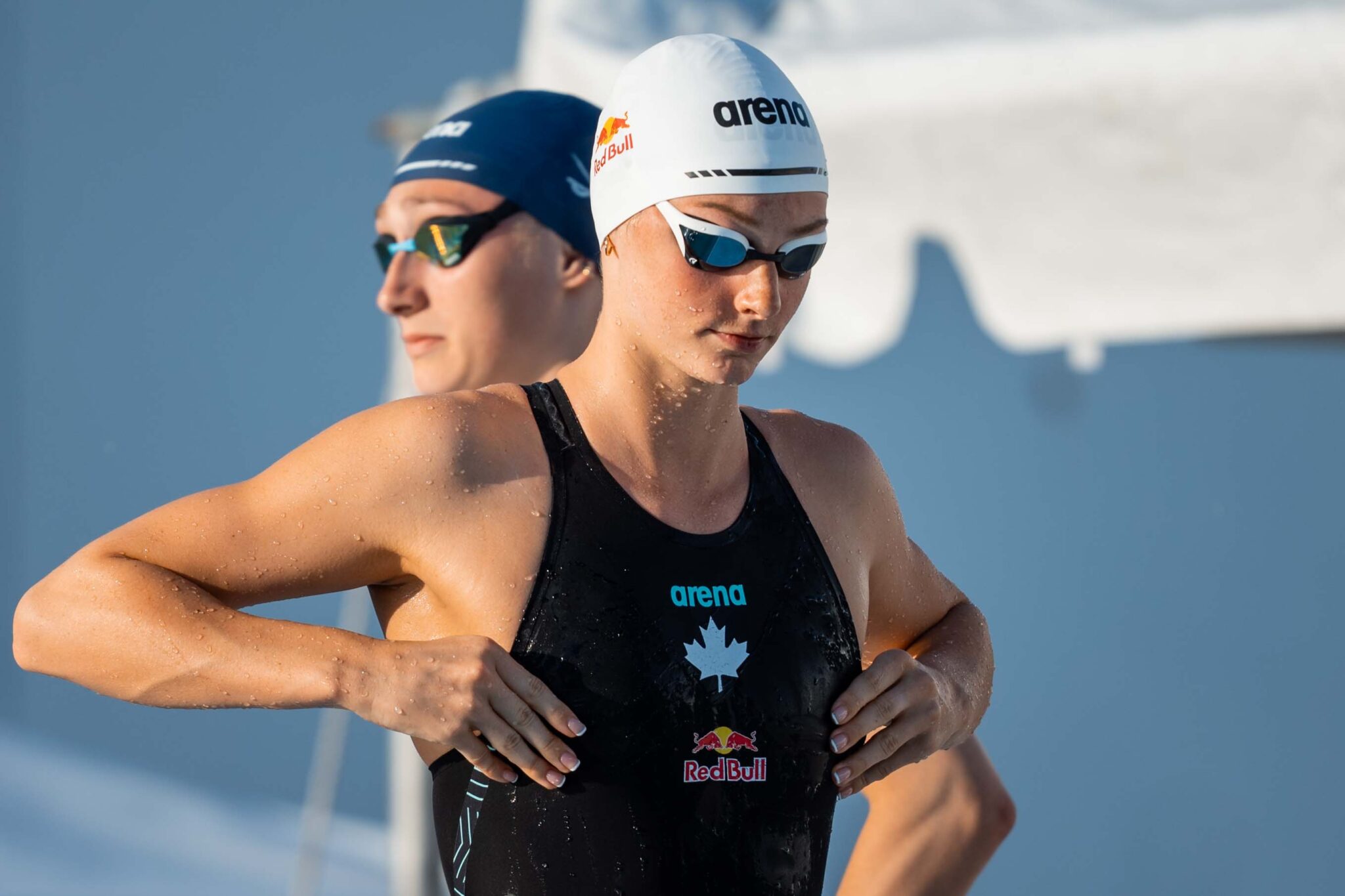
Summer McIntosh is not chasing the easy headline in Pan Pacific Swimming Championships. She already owns the world in the 200 fly, and that fact alone would make the event feel like a private appointment. Instead, the Canadian star is stepping away from it at this meet, a practical choice that says as much about modern elite swimming as any medal ever could. The days when the biggest names simply collected events like souvenirs are giving way to something sterner, more strategic, and far more demanding.
A withdrawal that tells us plenty about elite racing
The news matters because McIntosh does not scratch an event casually. She is, after all, the woman with the world record in the 200 fly, the kind of swimmer whose name changes the shape of a start list before the race even begins. Yet the decision to skip it in favor of preserving energy for the 200 free underscores a simple truth that often gets buried beneath stopwatch worship: at this level, every race is a resource allocation problem.
That may sound clinical. It is, in fact, the opposite. It is the human cost of being exceptional.
The 200 fly is a savage event, all acid and rhythm break, a race that asks for violence in the water and elegance on top of it. The 200 free is no picnic either, particularly when the field is crowded with swimmers who thrive on tempo and nerves. Asking McIntosh to do both, and to do both at her highest level, would be asking for a double payment from the same body. She has chosen not to pay it.
The 200 free becomes the real center of gravity
For McIntosh, the scratch shifts attention toward the 200 metre freestyle, where the margins are usually thin enough to make the best swimmers look mortal. That event is not merely an alternative; it is the assignment now. The meet can tolerate a missing star, but the 200 free will feel the change immediately because McIntosh brings a different sort of pressure. She changes how others swim. She changes how they pace the first 100. She changes whether a swimmer starts thinking about silver instead of gold.
And when a swimmer of her stature clears a lane, the rest of the field does not relax. It recalibrates.
There is an added layer here for Swimming Canada. McIntosh has become the country’s most luminous competitive export, a teenager still young enough to suggest the future while already occupying the present. Decisions like this are how federations and athletes manage the long arc of a career that may stretch all the way to Los Angeles and beyond. The public sees a scratch. The program sees scheduling discipline. The athlete sees another year, another final, another chance to keep the body from screaming too soon.
This is not caution. It is championship arithmetic.
The modern champion is part athlete, part project manager
There was a time when fans and even coaches romanticized the notion that the great ones would swim everything, absorb the punishment, and somehow emerge purified by fatigue. That mythology still has its charms, but the sport has evolved past it. The better question is no longer whether a star can do all the events; it is whether doing all the events is worth the compromise.
My own view is that McIntosh’s choice should be read as a sign of strength, not retreat. She is not ducking a challenge. She is making a cold, smart decision in a sport that too often mistakes volume for virtue. We see this pattern everywhere now, from track to tennis to the pro team sports: the highest performers are increasingly managed like long-term investments, not one-night wagers. The public may miss the theatrical all-in gamble. The athlete, living in the body that has to absorb the cost, often prefers the future.
That is the part people forget. The body remembers everything.
There is a historical echo here, too, in the way championship swimmers have always had to choose between glory and practicality. Michael Phelps made an art of event overload, but even he thrived because his program was engineered with ruthless care. Greatness in swimming has never been random. It is a construction, and sometimes the loudest sign of intelligence is the race not taken.
What it signals for the meet, and for everyone chasing her
With McIntosh out of the 200 fly, the race opens in a way that will embolden others, though no one should confuse an open lane with an open door. A field minus its most intimidating presence can invite bolder splits, fiercer mid-race moves, and the sort of tactical chaos that produces surprise medalists. But the absence also changes the emotional weather of the meet. Swimmers who might have treated the 200 fly as a silver-medal ceiling now have a brighter ceiling to aim at.
That matters because elite competition is a psychological ecosystem. One withdrawal can alter confidence, pacing, and podium math all at once. It can also sharpen attention on how McIntosh is being used across the rest of the program. If she looks fresh in the 200 free, the decision will read as masterful. If not, the questions will arrive anyway, because that is the burden carried by the rarest talents: even their caution is judged.
The smarter reading is simpler. McIntosh and her camp are protecting the race that matters most in this moment. That is not an admission of limits. It is an admission that the limits are real.
The bigger picture for Canadian swimming
Canada has spent years trying to turn isolated stars into a stable standard, and McIntosh is the sort of swimmer who can drag a whole program upward simply by setting the terms of excellence. Her choices teach younger athletes something useful: dominance is not only about how much you do, but what you refuse to dilute.
For a sport that lives on fine margins and long training blocks, that lesson may be worth more than one extra appearance in the water. The medals will come, or they will not. But the long game is being played now, in the gaps between events, in the quiet math of recovery, in the discipline to say no to something you can win.
McIntosh has already proved the 200 fly belongs to her. At Pan Pacs, she is choosing the race that needs her most, and perhaps the race that needs the best version of her. That is the kind of decision that wins more than one meet.
It wins seasons.
More from Straight From The Bench
Comments
Join the conversation — sign in to leave a comment.
Sign in to commentRelated Stories

Tulsa National Little League World Series: restraining order opens path
A Texas restraining order has given Tulsa National Little League a second chance in the Southwest Region race. The baseball now waits on the courthouse calendar.
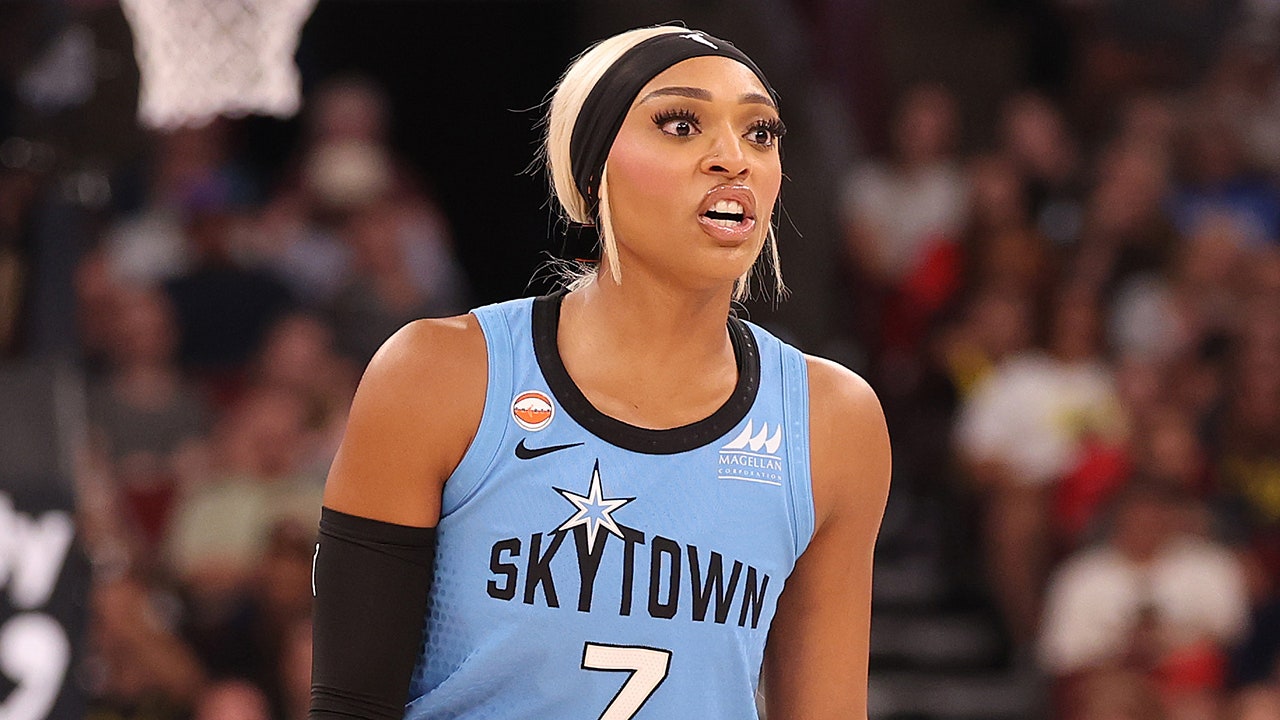
DiJonai Carrington WNBA silence: Sky play on amid fallout
Carrington was back on the floor for Chicago against Seattle, while the WNBA stayed quiet after Saturday’s ejection and the social firestorm around it.
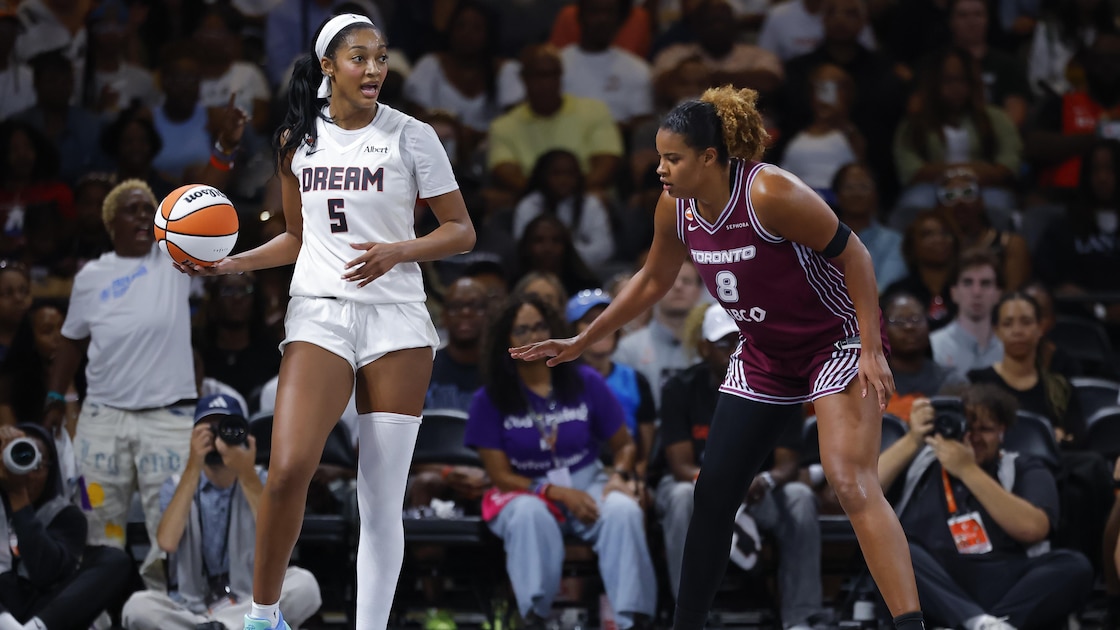
Angel Reese and Rhyne Howard make history in Dream win
Angel Reese posted a bruising double-double and Rhyne Howard kept the lid on Toronto as Atlanta rolled to 107-95. History got made, but so did a few hard truths.