
The Draft Starts Here: MLB’s First 40 Picks Set the Tone for the Next Wave
 Zane Miller6 min read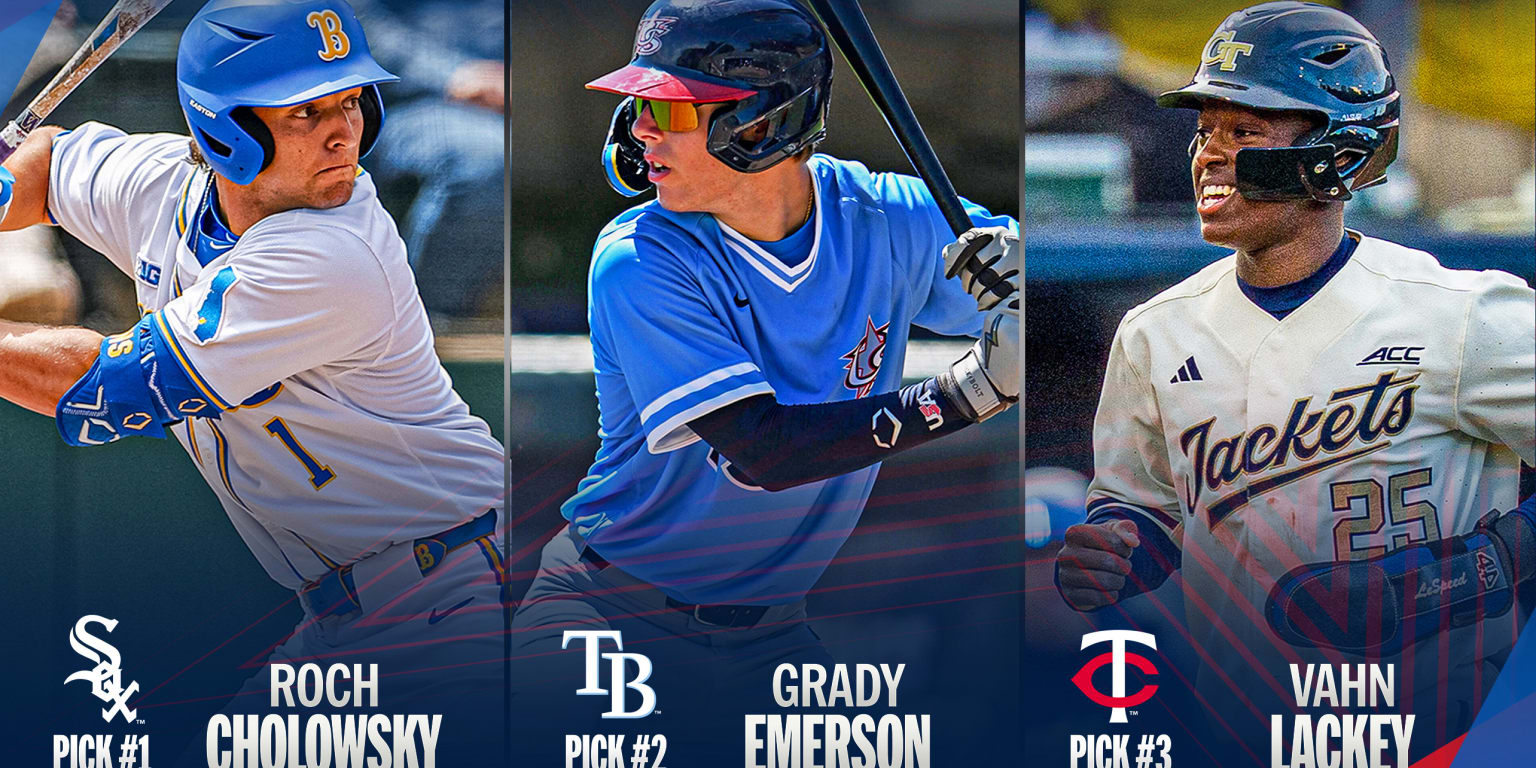
The first night of the MLB Draft is where front offices show their hand without saying a word. You can dress it up as a scouting exercise, but this is roster architecture in real time. The first 40 picks don’t just hand out names; they reveal which clubs want certainty, which ones are chasing ceiling, and which ones are already thinking three years down the road.
For the teams in the top tier of the board, this is the cleanest shot they get to change the complexion of a system. For everybody else, it’s a blend of bonus pool math, patience, and a little bit of nerve. The scouts have spent months crisscrossing fields, comparing one late growth spurt to another, and now the whole industry gets compressed into a few hours of pressure and whispers.
Night One is really about organizational identity
The top 40 picks are where the draft starts to separate the clubs with a real plan from the clubs hoping their board falls in their lap. Some organizations still live and die by the safest player available. Others have leaned harder into toolsy athletes, high-velocity arms, and projection-heavy high school talent because they believe they can teach the rest later.
That’s the tension every July brings. A polished college bat feels easier to sell to ownership and fan bases because the timeline is cleaner. A teenage pitcher with a lightning fastball and a scary amount of risk? That’s where the real argument lives. You’re not just drafting a player. You’re betting your development staff can turn raw ingredients into a major league contributor before the market gets bored.
And yes, the market matters. In a sport where club control is everything, the draft is one of the last places a team can manufacture surplus value without handing out a nine-figure contract. That’s why the first round always gets treated like a referendum on the front office. Fair? Not always. Real? Absolutely.
The bonus pool math nobody wants to talk about out loud
Here’s the part fans usually skip past and executives obsess over: this is not just about the best player. It’s about the best player your pool can support. The early picks shape what a club can do later, and the later picks can be as much about signability as talent. That creates some sneaky leverage.
Teams with an expensive first-round target can get creative later. Teams that go a little under-slot early can start fishing for a tougher sign in the back half of the top 40. This is where draft rooms start looking less like a beauty contest and more like a chess match. One pick can change four others.
That’s also why the first night feels so volatile. A club may love a player, but if it believes it can spread the money around better, the board gets tilted. Fans hear “best available.” Executives hear “best available for our entire draft structure.” Those are not the same sentence.
The first night of the draft is less about who gets picked and more about which front office is willing to admit what kind of team it wants to be.
High school upside vs. college polish: same old fight, still no easy answer
This debate never dies because there’s no clean winner. The college route gives you shorter development runway, more data, and a better chance to project a player into a big-league role quickly. The prep route can hand you higher ceilings, more athletic variance, and the kind of physical upside that can look like theft if the development breaks right.
The Baltimore Orioles became a modern template for how much patience and layering matter in a draft-and-develop system. Other clubs have tried to copy that playbook, with varying success, because the truth is obvious: you need more than one kind of talent pipeline. You need hitters who can move fast and arms who can become something larger than their amateur labels.
That’s why the first 40 picks matter so much. The choices made here are not just about filling a short-term need. They can reshape the next five-man rotation, the next infield corner, the next contender’s cheap core. That’s the part fans feel later, when a player arrives and the backstory becomes a front-office victory lap.
The real pressure is on development, not just scouting
If you want the blunt version, the draft is won in the building after the pick card gets turned in. Anyone can fall in love with a player on the summer circuit. The separation comes when the player gets into the system and the organization decides what to fix first — delivery, swing path, approach, strength, timing, whatever the case may be.
The teams that consistently hit on Day 1 usually do two things well. They identify the right kind of risk, and they know what to do with it once it lands. That’s where the best organizations separate from the merely competent ones. The draft board gets the headlines. Player development gets the rings.
And there’s another layer now: information moves too fast to hide behind mystery. Every pick gets dissected instantly, every “reach” gets posted, every “steal” gets memed into the ground before the commissioner even steps off the stage. That doesn’t change the work, but it changes the temperature. Front offices know they’re being judged in public on a spreadsheet and a clip reel.
What I’m watching as the top 40 unfold
I’m watching for the clubs that trust their board instead of chasing consensus. Those are usually the teams with the clearest internal conviction. I’m also watching for the pockets where a player falls because of signability, medicals, or one too many scouts whispering the same concern. That’s where drafts get won.
Personally, I always think the first night tells you more about a front office’s confidence than its rankings. The safer clubs tend to talk themselves into the obvious name. The sharper ones know when to zig because they understand the room — what other teams are likely to do, what the bonus landscape looks like, and where the real value lives two picks later. I’ve covered enough draft rooms to know this: the loudest board in the building is rarely the best one. The best ones are usually boring until they become obvious in October a few years later.
The other thing to remember is how quickly this becomes a copycat event. If one club lands a premium athlete and the development machine turns him into a star, everybody else starts hunting the same profile. If a college bat moves fast, people say that’s the safest path. If a prep arm becomes a monster, the pendulum swings back. The draft is always one season behind the last success story.
The first 40 picks will give us the usual mix of applause, panic, and instant overreactions. Give it time. The real verdict starts when these kids get their first taste of pro ball.
Comments
Join the conversation — sign in to leave a comment.
Sign in to commentRelated Stories
Noskova’s Long Night on Centre Court Ends in Wimbledon Glory
Linda Noskova survived heartbreak, momentum swings and five missed championship points to claim her first major in an all-Czech Wimbledon final.
England Put Fiji to the Sword, but the Real Story Is What They Built While the Cards Piled Up
England ran riot against 14-man Fiji, but the scoreline only tells half the tale. The sharper question is whether this was conviction or just a team enjoying a very big day.

Corrèze Blinks, the Tour Rewrites: Heat Wins This Round
Stage 9 bends before the heat in Corrèze, a reminder that July in France now races against the weather as much as the clock.