
Tim Tszyu vs Errol Spence Jr. Results: Tszyu Wins in Sydney
A bruising twelve rounds, and a reminder that timing in boxing can be cruel.
 Beatrice Kensington5 min read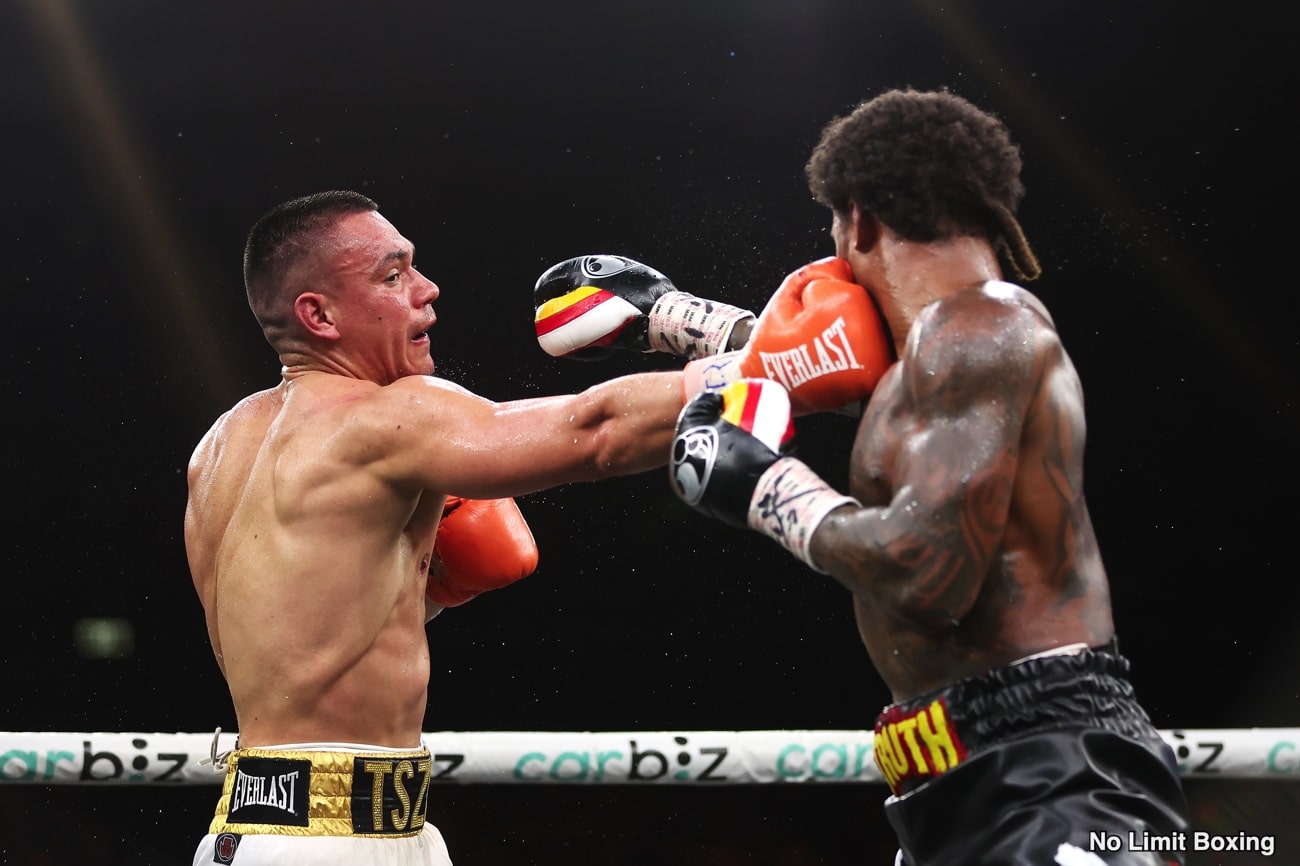
Tim Tszyu did not steal this fight so much as take possession of it, round by round, with the sort of persistent, workmanlike pressure that leaves an opponent staring at the canvas of his own past. In Sydney, under the lights at Afterpay Arena, he beat Errol Spence Jr. by unanimous decision over 12 rounds and, with that, altered the emotional geography of the super welterweight division. Spence entered as the more decorated name, the man with the sharper edge in memory. Tszyu left as the man who carried the night.
Tszyu’s pressure met a familiar kind of resistance
The script was not one of sudden ruptures. It was accumulation. Tszyu kept stepping into the space Spence wanted to breathe in, taking away the quiet between exchanges and forcing the fight to happen at his tempo. That is the sort of thing judges can see and fighters cannot always solve. A man may still have the hands, still have the technique, still have the old menace in his reputation; if his feet arrive a beat late, the whole architecture begins to sag.
Spence, whose career has already been shaped by long absences and the hard arithmetic of return, looked like a fighter trying to remember a language he once spoke fluently. There were flashes, of course. There is always danger in denying a man with Spence’s pedigree. But flashes are not enough over 12 rounds against someone willing to keep knocking on the same door until the hinges give way.
Tszyu’s victory was not glamorous. It was disciplined. That may be more damaging to the division than a highlight-reel stoppage, because disciplined men are difficult to dismiss. They travel well. They age well. They make every future opponent account for the possibility that the pace will not relent.
This was not a triumph of spectacle. It was a triumph of insistence.
What Spence’s loss says about the cost of time
Boxing has always been merciless about the calendar. One bad night can be called a bounce back; several interrupted years become a verdict. Spence’s place in the sport was built on control, precision, and the quiet certainty that he would impose his will once the bell rang. But time does not negotiate. It takes its tax in timing, in reflex, in the invisible spring that used to fire a jab a fraction earlier.
That is the part of this result that lingers. Not simply that Spence lost, but that he lost in a manner that suggested a fighter can still be dangerous and still be diminished. Those two truths are not contradictory in boxing. They are often roommates.
The sport has a habit of pretending names are permanent currency. They are not. They are notes that can be spent down, one difficult camp at a time. Against Tszyu, Spence found himself in the old trap: good enough to remain a threat, not sharp enough to command the outcome. That is a brutal place to live for 36 minutes.
For readers tracking the broader landscape, this result sits in the same family of cautionary tales as every uneasy comeback. We saw a version of that lesson in the Shohei Ohtani knee update conversation on the baseball side: talent can survive interruption, but rhythm is harder to restore than reputation. Different sport, same human truth.
Tszyu’s rise now needs a bigger stage
Tszyu has spent enough time being treated as a promise in waiting. A son of Kostya Tszyu carries inherited weight everywhere he goes; that kind of surname can feel like a blessing until the sport demands proof. Saturday night gave him proof in the most unforgiving way possible: not a shortcut, not a lucky punch, but a full evening of sustained authority.
This changes the conversation around him. He is no longer merely interesting. He is a genuine problem for anyone occupying the upper shelves at 154 pounds. The super welterweight division has long rewarded the fighters who can mix steadiness with violence, and Tszyu has now shown he can do the first part against an elite name. The second part will determine how far he climbs.
I have always believed boxing remembers pressure more clearly than flair. The crowd may leave chanting the explosive moment, but the men in the next dressing room study the fighter who never let up. Tszyu feels, to me, like one of those fighters who becomes more difficult the longer you live with him. He does not need to be dazzling to be unavoidable. That is a useful quality in a division full of men selling certainty.
His evening also arrives at a time when combat sports are increasingly divided between celebrity and craft. The celebrity gets the bigger posters. The craft gets the final say. Tszyu reminded the room of that old hierarchy.
Sydney got a main event with consequence
Australia has been waiting for a marquee fight that felt anchored in competitive consequence rather than national novelty, and this one delivered that in full. Afterpay Arena became, for a few hours, the place where a regional event carried global implication. That matters more than promoters sometimes admit. A sport lives or dies on whether it can make geography feel like destiny.
The stakes now travel outward. For Tszyu, the win should lead to a richer set of possibilities, perhaps another top-tier name and a clearer path toward the titles that give a career its formal shape. For Spence, the night invites an older and colder question: what version of himself remains, and how many more times can he trust the answer?
There is no shame in losing to a hungry fighter. There is only the hard part afterward, when the body and the record begin to argue about what is left. That is the private drama of boxing, and it is why the sport remains so painfully human.
Tszyu took control, and Spence surrendered the evening a round at a time. The aftermath will be louder than the fight itself. It should be. That is how careers turn.
More from Straight From The Bench
Comments
Join the conversation — sign in to leave a comment.
Sign in to commentRelated Stories

Anthony Joshua vs. Kristian Prenga: Live Results and Fight Updates
Anthony Joshua returned to the spotlight in Jeddah with plenty riding on every round. The fight mattered beyond the scoreboard — for his career, his headspace, and his next move.

Red Sox trade Connelly Early for Curtis Mead: deadline logic
Boston dealt Connelly Early to Washington for Curtis Mead, betting the elbow question and roster math favor the bat. It’s a clean deadline-style wager.
2026 WNBA All-Star Game Grades: Jonquel Jones, Caitlin Clark Lead
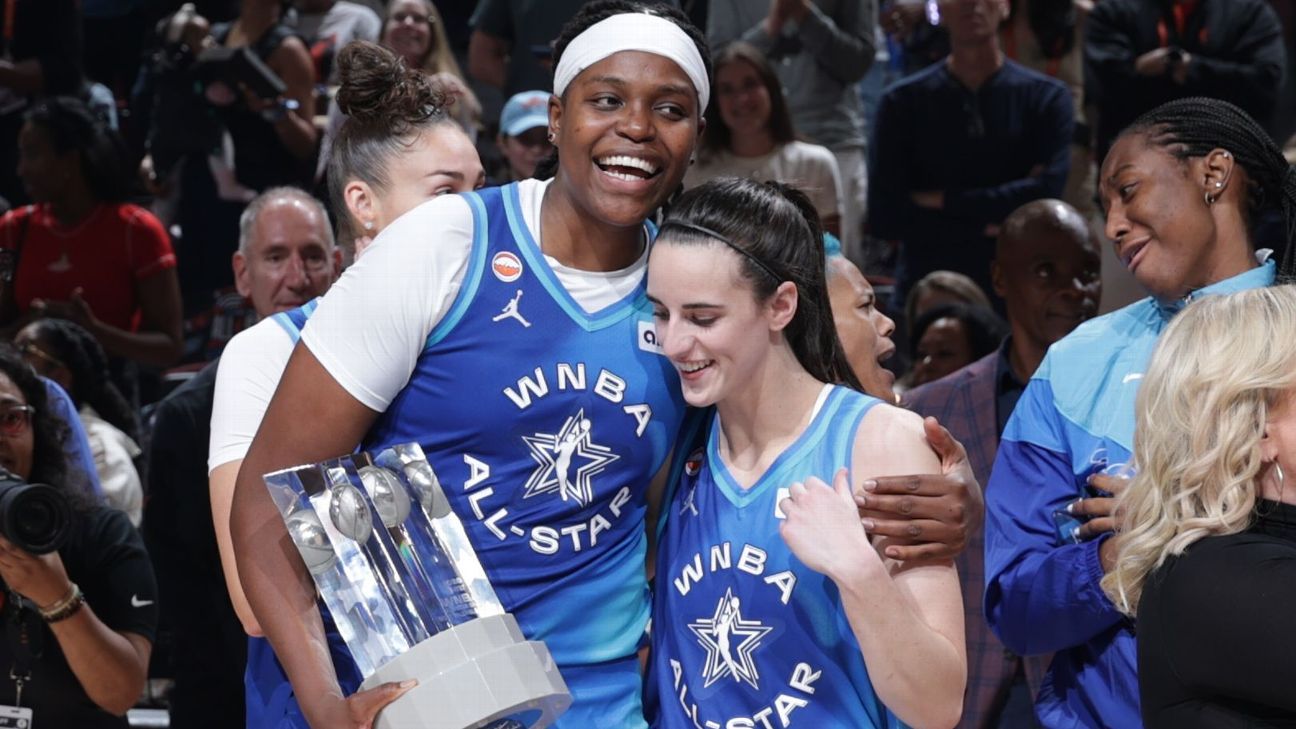
Jonquel Jones made history, Caitlin Clark kept raining 3s, and the rest of the All-Star crowd got sized up the old-fashioned way: by what they did in the light.