
Tony Romo Alcohol Admission: Cowboys Legend Faces Hard Truth
A former quarterback with a sore body and a louder conscience.
 Leo Lupo5 min read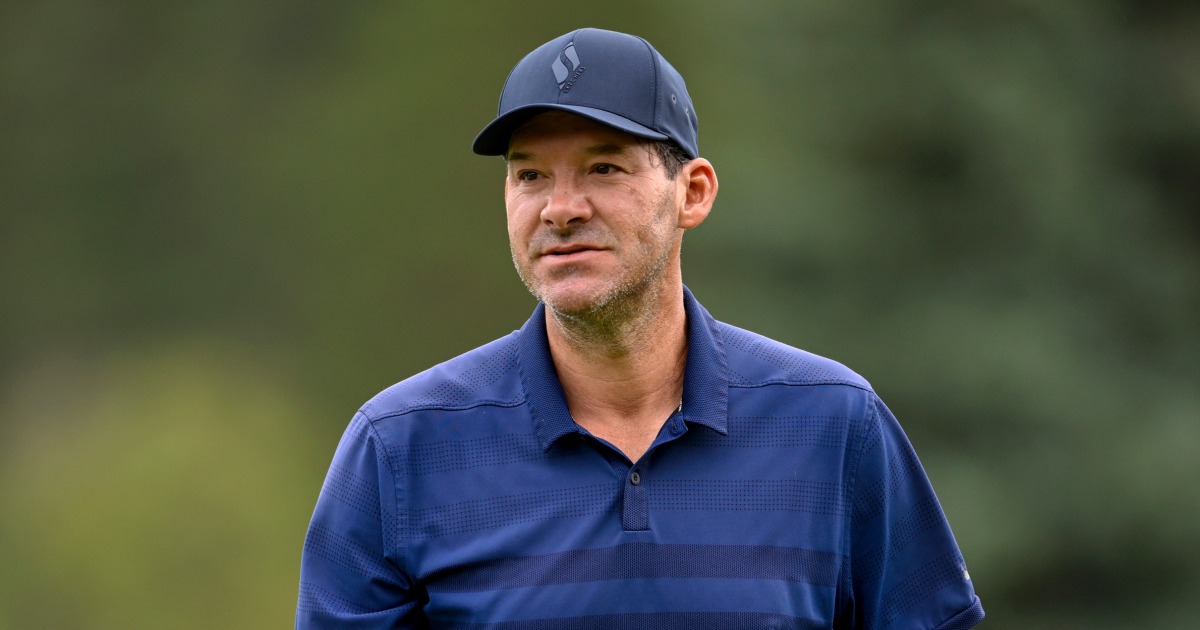
Tony Romo didn’t need another round of headlines, and football didn’t need another reminder of what the grind can do to a man’s body and head. But there it was Tuesday: the former Dallas Cowboys quarterback, now a polished CBS Sports analyst, saying the pain from his playing days helped push him toward “an over-reliance on alcohol.” No victory lap. No smooth broadcaster polish. Just a hard sentence from a guy who spent years taking hits for a living and is finally saying out loud that some of that damage followed him home.
That matters. Not because Romo is the first retired player to wrestle with that kind of reckoning, and not because famous people deserve special sympathy. It matters because football still sells itself as a clean, heroic trade: take the pain, cash the check, walk away with the grin intact. Most of the time, that’s a lie. The body keeps receipts. Sometimes the mind does too.
Romo’s admission cuts through the usual post-career gloss
Romo’s playing career was a familiar NFL story in one respect: talent, toughness, and constant punishment. He was the undrafted kid who turned into the Cowboys’ guy, the quarterback who made backyard football look easy until the hits, the injuries, and the pressure started to stack like wet cinder blocks. You don’t need a medical chart to know what that kind of career does to a person.
Football players don’t just absorb pain on Sundays. They live with it on Mondays, through the offseason, and into retirement when the adrenaline dries up. The league loves to celebrate grit while it’s useful. After that, the man is left to sort out what the body learned and what the nervous system remembered. Romo’s words fit that old pattern all too well.
And let’s be plain about the obvious: alcohol and pain are bad company. One dulls the other, for a while. Then they team up and start taking up rent in a man’s life. That’s the ugly part of this story. Not the arrest. Not the embarrassment. The long shadow underneath it.
The NFL keeps collecting these reminders
This league has spent decades building its myth on sacrifice, and it has spent just as long trying to clean up the mess after the cameras leave. We’ve heard the language before. Pain management. Dependency. Coping. Self-medication. Nice sterile terms for a very old American habit: get hurt, keep working, worry about the bill later.
Football doesn’t just test the body. It teaches some men how to survive the damage badly.
Romo’s case is not some isolated morality play. It sits in the same broad conversation that’s wrapped around the NFL for years now — concussions, chronic pain, mental health, and the quiet wreckage that can show up after the cheering stops. You can’t sell gladiator football for 18 weeks a year and then act surprised when the exits are messy.
This is why the quote hit hard. It wasn’t lawyered up. It wasn’t a PR towel tossed over a stain. It was a man admitting that the collision between pain and coping got the better of him at times. Plenty of ex-players have lived that truth without ever putting it into words. Romo at least said it straight.
What this means for Romo, and for the image he’s built
Romo has spent the second act of his career as the likable ex-quarterback who could read a defense in a headset almost as well as he once did in the huddle. He’s been smooth, sharp, and easy to have on Sundays. That clean image does not erase the admission, nor should it. If anything, it makes the confession land harder.
There’s always a temptation with sports figures to turn every stumble into a branding exercise. Put on a serious face. Post something tidy. Move along. Romo’s message feels different because it isn’t trying to cash in on vulnerability. It sounds like a man finally choosing honesty over polish.
I’ve been around long enough to know the league’s favorite trick: wait until the player is retired, then talk about wellness like it was a new invention. It wasn’t. The men on those fields have been paying the tab for generations. What changes now is that some of them are finally saying the quiet part out loud. About pain. About painkillers. About booze. About the way one bad coping mechanism can become a habit, then a habit can become a problem, then the problem starts driving the bus.
Romo’s statement also lands in a football culture that’s getting less patient with the old macho routine. Good. It should. There’s no honor in pretending every scar is noble. Some scars are just scars.
The bigger picture: football’s bill comes due twice
The first bill is obvious. Broken bones. Tattered knees. Shoulders that sound like gravel in a coffee can. The second bill is quieter and usually worse: depression, isolation, substance abuse, the feeling that life only makes sense when the hits are flying and the crowd is roaring.
That second bill has ruined enough retired players to keep this from being just another celebrity apology cycle. Romo’s admission should push the conversation past gossip and into responsibility. Teams. The league. The union. The whole machine. If football keeps profiting from the damage, it ought to be loud about treatment, support, and aftercare when the uniform comes off.
And for fans, there’s a lesson here too, though some folks won’t like it. Stop treating retired players like they owe you a permanent victory lap. They owe the game their work. The game owes them honesty about what it cost.
For more on how football’s back-end business keeps changing, look at our takes on the Cowboys practice squad shakeup and the Eagles’ first wave of practice squad moves. Different stories, same league: always churning, always extracting.
Romo has stepped into a rough patch with his eyes open now, and that’s better than pretending the patch isn’t there. The next move is bigger than one statement. It’s whether football keeps telling the truth about what it does to people who spend their best years doing the league’s dirty work.
That clock is still ticking, and it’s not the stadium clock.
More from Straight From The Bench
Comments
Join the conversation — sign in to leave a comment.
Sign in to commentRelated Stories

Eagles Practice Squad: 4 More Signings Round Out Philly's Depth
Philadelphia kept building its back end with four more practice-squad signings, a quiet but revealing move after the first 13 additions. The Eagles are stocking the shelf for December, not just Septem
Keenan Allen Colts Update: Chris Ballard Keeps Him in the Fold
Keenan Allen is still with the Colts after his arrest, and Chris Ballard is clearly betting on time, context, and due process before making a move.
C.J. Stroud Contract Extension: Texans Set Week 1 Deadline
The Texans want C.J. Stroud's extension done before Week 1, and they’re not dragging this into the season. That tells you everything about how Houston sees its young quarterback.