
Tony Romo Breath Test Arrest: What the Milwaukee Case Means
A familiar football name, and a very unfamiliar kind of headline.
 Beatrice Kensington6 min read
Tony Romo spent years making hard things look effortless — sliding in the pocket, throwing on the move, reading a defense as if he had already memorized the answer key. On Thursday in Milwaukee, the script broke apart in a way that had nothing to do with football and everything to do with the brittle, humiliating speed at which a public life can tilt. The question hanging over his arrest for suspected operating while intoxicated is not just what happened in that moment. It is what happens now, to a man whose name long ago stopped belonging only to him.
A football figure meets the law’s plain language
Romo is not merely a former Dallas Cowboys quarterback; he is one of those rare retired athletes whose voice became almost as recognizable as his throwing motion. Since his playing days ended, he has been folded into the ritual of Sunday football, an analyst whose calm cadence offered order to the weekly chaos. That is why an arrest like this lands harder than a garden-variety celebrity misstep. It jars against the image the public has stored away.
What has been reported so far is spare and serious: the Milwaukee arrest, the suspicion of operating while intoxicated, and the uncertainty over whether Romo submitted to breath testing. That uncertainty matters, because the refusal itself — if confirmed by the legal record — is not a side note but part of the case’s machinery. In many states, the decision to refuse testing carries consequences of its own. The law does not treat it as a neutral act. It treats it as an answer.
Romo’s profile makes the moment feel larger than the charge sheet. This is a man who spent the bulk of his professional life under cameras, under scrutiny, under a kind of fluorescent judgment that never quite turned off. Now the scrutiny is different. Less television polish, more courthouse air.
The damage is personal before it is professional
There is a tendency, especially with famous men who have been absorbed into the sports-industrial bloodstream, to talk about consequences in the abstract: broadcast duties, sponsor anxiety, reputation management, the slow churn of public-relations damage control. But the first damage here is personal. An arrest strips away the mythology quickly. It leaves the awkward human residue that follows bad judgment, panic, alcohol, or a combination of all three.
Romo’s post-playing life has been a study in reinvention. He traded the weekly bruising of the NFL for the cleaner stage of the broadcast booth, where anticipation became analysis and risk became prediction. The fall from that perch does not have to be permanent to be bruising. The NFL never fully lets go of its icons, and television makes them feel immortal until a night like this reminds everyone how mortal they are.
Fame can soften a voice on camera; it cannot soften the consequences of a roadside stop.
There is also the matter of expectation. Athletes are often granted a private mythology long after they’ve left the field — the idea that competition discipline translates naturally into personal discipline, that the man who could command a huddle can also command a late night. Too often, that assumption is more sentimental than sound.
Why the public reaction will be so sharp
The reaction to a case like this is never only about the incident itself. It is about the story people believed they knew. Romo was, for many fans, the unluckiest talented quarterback of his generation: charismatic, talented, forever chasing the one February he never reached. He later became the rare analyst who could make viewers feel as though they were listening to the game from inside the room. That blend of competence and warmth creates a bigger drop when the news turns grim.
The broader sports culture has seen this before. A beloved figure stumbles, and the public response divides into camps — the immediate condemners, the reluctant sympathizers, and the exhausted realists who have seen enough of fame to know that celebrity is not moral armor. Romo’s case will likely travel through all three lanes.
I keep thinking about how unforgiving that transfer can be: from admired interpreter of sport to subject of police language. I have written too many columns over the years about athletes as symbols, and the harder truth is that symbols are usually the first thing to crack when they meet a concrete wall. The public wants its legends clean and constant. Real life, inconveniently, keeps insisting otherwise.
And there is a second layer here. Romo has become part of the broadcast furniture, one of those voices that households barely notice until it vanishes. That matters because modern sports media asks its figures to be both expert and brand. The brand is now exposed. If this case develops in a serious way, the fallout will not stop with one arrest report; it will touch the trust that undergirds the whole performance of authority on game day.
The NFL, the cameras, and the long shadow of past mistakes
The NFL has spent decades building a public identity around discipline, accountability, and the careful choreography of image. Yet its most famous men remain vulnerable to the same human failures as anyone else. In Romo’s case, the contrast is especially sharp because his post-retirement career has depended on credibility — the sense that he sees the game clearly, that he can be believed.
If the legal process confirms a refusal to submit to testing, the conversation will widen beyond a single bad night. It will become about judgment, about the burden of fame, and about how quickly trust can evaporate when a public figure is seen in a patrol-car light instead of a studio spotlight. That is not just gossip. It is the currency of modern sports culture.
For readers looking for a broader frame, the Romo story sits near other moments when public lives and private pain collided in ugly, unresolved ways. The sports world has never been good at absorbing that collision gracefully. It tends to oscillate between overexposure and silence, between self-righteousness and denial. Neither mode serves anybody well.
There is a reason these stories linger. They force us to confront the distance between what athletes represent and what they are. They are not parables. They are people, and people make wreckage.
The next few days will bring the legal details, the official record, the carefully worded statements. Those will matter. But the larger reckoning is already here. Romo now has to live in the gap between the man people thought they knew and the one they are being shown. That gap can be a long road to travel.
And it starts with the facts, not the fame.
More from Straight From The Bench
Comments
Join the conversation — sign in to leave a comment.
Sign in to commentRelated Stories

Jamal Adams Vikings Signing: Sixth Team, Same Hard Lessons
Jamal Adams is heading to Minnesota, and the Vikings are betting there’s still some football left in the old wrecking ball. The risk is obvious. So is the need.
Eric Bieniemy Family Shooting: Chiefs OC’s Private Pain
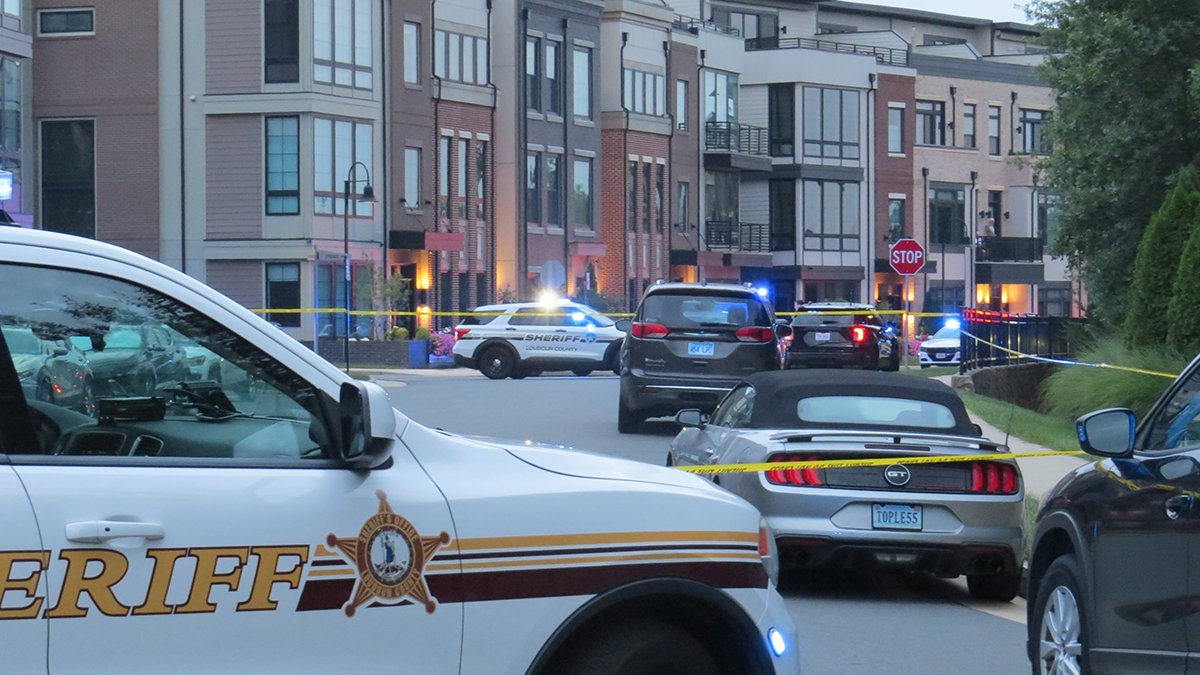
Eric Bieniemy’s family is dealing with a nightmare in Northern Virginia, and the football part of this story suddenly feels very small. The NFL keeps spinning; real life does not.

Kyle Shanahan Injury Update: 49ers, Timeline, and the Cover-Up
Kyle Shanahan’s car accident landed like a hammer, but the delayed disclosure is what has everyone talking. For the 49ers, this is now about trust, timing, and optics.