
Tony Romo OWI Arrest: What His Spokesperson Statement Changes
Silence finally cracked, but the real damage is still on the table.
 Zane Miller5 min read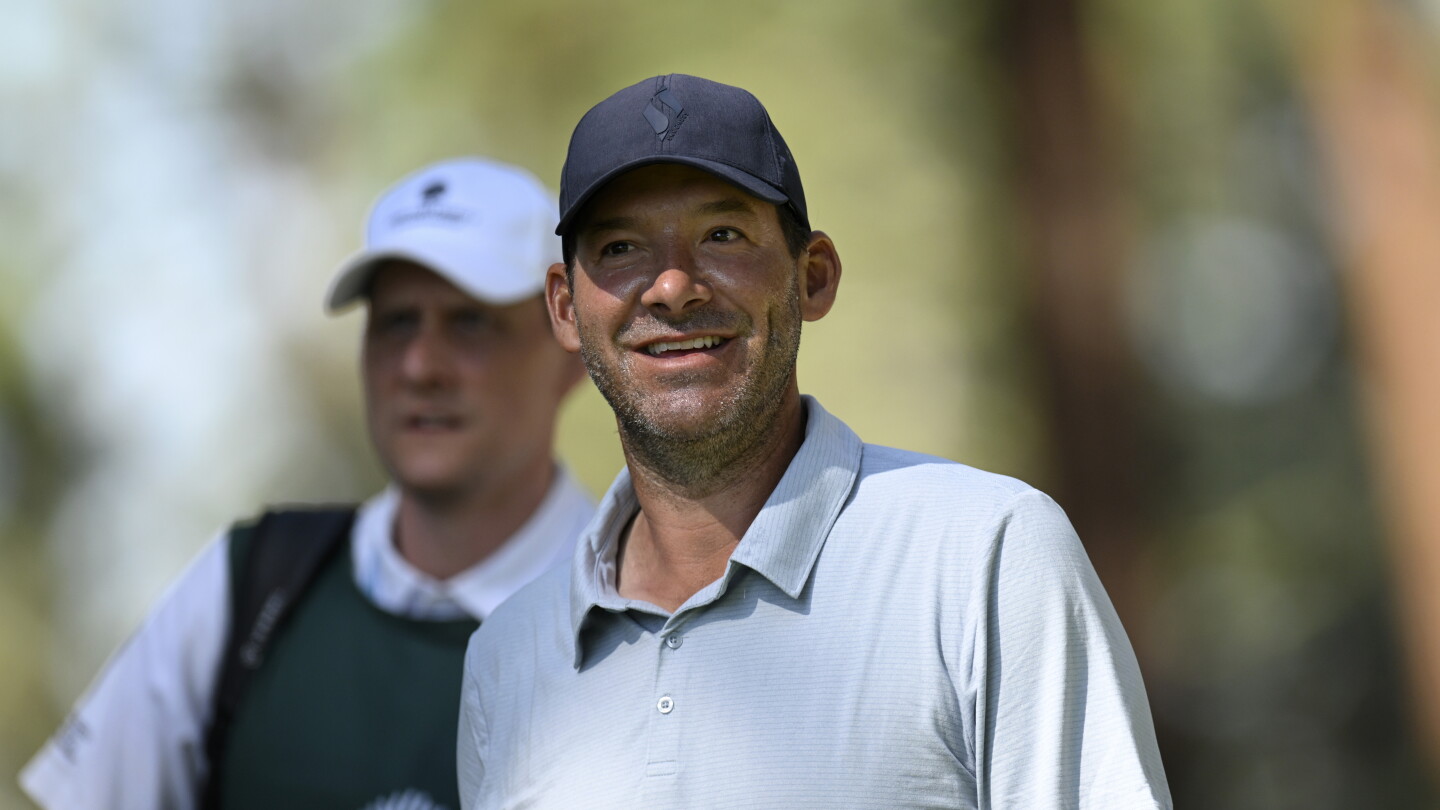
Tony Romo waited more than a month to say anything about his OWI arrest, and when the words finally came, they didn’t come from him directly. They came through a spokesperson. That matters. In 2026 sports media, where every silence gets turned into a full-blown ecosystem of speculation, Romo still chose the most controlled possible lane. No camera. No podcast monologue. No quick-hit social post. Just a managed statement and a whole lot of runway left for everyone else to keep talking.
For a former Dallas Cowboys quarterback who spent years living on the biggest stage in football, this is a very different kind of pressure snap. Romo’s post-playing life has been built on voice, timing, and being seen as the sharp guy in the room. He’s not just a retired quarterback. He’s been a headline broadcaster, a national personality, and one of the most recognizable talking heads in the NFL orbit. That’s why this lands harder than a standard celebrity incident. It hits a brand, not just a name.
Why the silence mattered more than the arrest itself
A lot of people in sports media want to pretend these situations are just about the legal process. They’re not. They’re about credibility, optics, and how fast a public figure can control the temperature.
Romo staying quiet for over a month created a vacuum. And vacuums in this business get filled fast. First comes the immediate reaction. Then the think pieces. Then the executives and agents start quietly watching the edges: sponsor reaction, broadcast booth fallout, internal discomfort, the whole chain.
That’s especially true for someone whose current value isn’t just his playing résumé. It’s his live TV identity. Broadcast partners don’t love surprises. Networks love predictability even more. One off-field incident doesn’t automatically rewrite a career, but it absolutely changes the conversation around it.
The longer the silence dragged on, the more this looked like a test of control. Not legal control. Narrative control. And that’s the game Romo’s camp clearly wanted to play.
A broadcaster’s image is part of the job now
Romo has spent years working as an analyst for CBS Sports, where being polished is part of the product. He wasn’t just hired to know football. He was hired to package football for millions of viewers without friction.
That’s why a statement through a spokesperson feels so calculated. It keeps him from freelancing in public. It keeps the quote clean. It also keeps the next 72 hours from turning into a live-streamed damage-control tour.
The modern sports-media economy is ruthless about this stuff. Networks can tolerate a lot. They cannot tolerate uncertainty for long. If a high-profile talent becomes a distraction, every executive in the building starts doing quiet math: how much is the face worth, how noisy is the problem, and what happens if this lingers into the next slate of games?
Romo’s situation isn’t just about public sympathy. It’s about whether a broadcaster with his profile can keep the machine around him calm. That is the real currency here.
The statement may have ended the silence, but it did not end the story.
What this means for Romo’s standing with the league crowd
There’s also the football side of this, and it’s not small. Romo has long occupied a strange but valuable place in NFL culture: former quarterback, future Hall-of-Fame debate magnet, and the rare analyst who can still sound like he’s seeing the field in real time.
That gives him leverage. It also gives him a higher standard.
Former players with lower profiles can survive ugly headlines by fading into the background. Romo doesn’t get that luxury. Every network appearance, every offseason event, every mention from league-adjacent voices now gets viewed through a new lens. That’s just how this works. The NFL ecosystem is built on trust and access, and once a face becomes a conversation, people in that ecosystem start recalibrating.
I’ve seen this pattern before: the first reaction is outrage, the second is fatigue, and the third is the real one. That’s where the business decisions get made. Not in the first wave, but after the noise softens and the adults in the room ask whether the issue is isolated or part of a broader image problem.
Romo’s camp clearly believes a tightly controlled statement is enough to stop the bleed. Maybe it is. Maybe the market moves on because football always moves on. But if you’re asking whether this is already affecting how people around the league view him, the answer is yes. Even if only a little. In this business, a little matters.
My read: the statement is damage control, not closure
This is where I’ll give you the blunt version.
Romo’s people are not trying to win the news cycle here. They’re trying to limit it. There’s a difference. A direct personal explanation would have invited follow-up questions, more speculation, and more potential missteps. A spokesperson statement narrows the lane and buys time. That’s smart from a media-management standpoint.
But it also tells you they know the situation has teeth. Nobody waits this long and then chooses the most buttoned-up route unless the goal is containment.
And containment is not the same thing as resolution.
The bigger picture is simple: sports stars and broadcasters are expected to operate like premium brands now. The public doesn’t just buy performance. It buys reliability. Once that trust gets dented, every future appearance carries a little extra static. Romo can still talk football at a high level. He can still be excellent at his job. None of that changes overnight.
What does change is the margin for error. That margin is thinner now.
The next move is the one to watch: whether Romo stays silent, whether more details emerge, and whether the broadcast world treats this as a one-off or a lingering PR issue. Either way, the first crack in the wall is out there now, and people in the business know exactly how fast those cracks can spread.
More from Straight From The Bench
Comments
Join the conversation — sign in to leave a comment.
Sign in to commentRelated Stories
.jpg?w=1120&h=630)
Dillon Gabriel Browns vs Patriots: Preseason finale breakout
Dillon Gabriel made the Browns’ preseason finale feel less like a tune-up and more like a quiet argument for more snaps. In Cleveland, even August carries consequences.
Jed York NFL Discipline: 49ers Owner Braces for Fallout
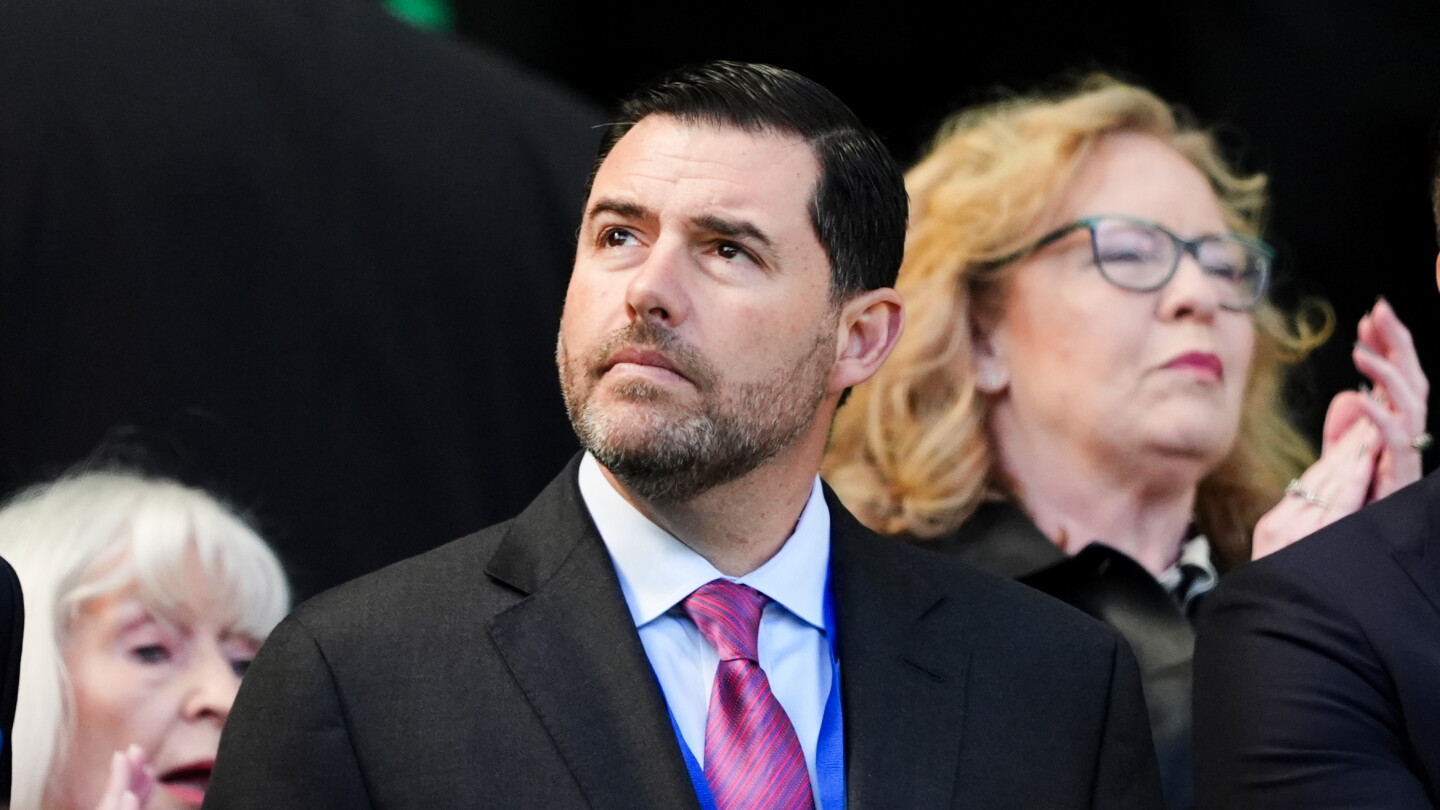
Jed York’s legal trouble has already spilled into the open, and the NFL now has another ugly ownership headache. Whether the league acts or York does it himself, the 49ers won’t escape the glare.
Josh Jacobs Charged: Packers RB Faces Discipline Risk
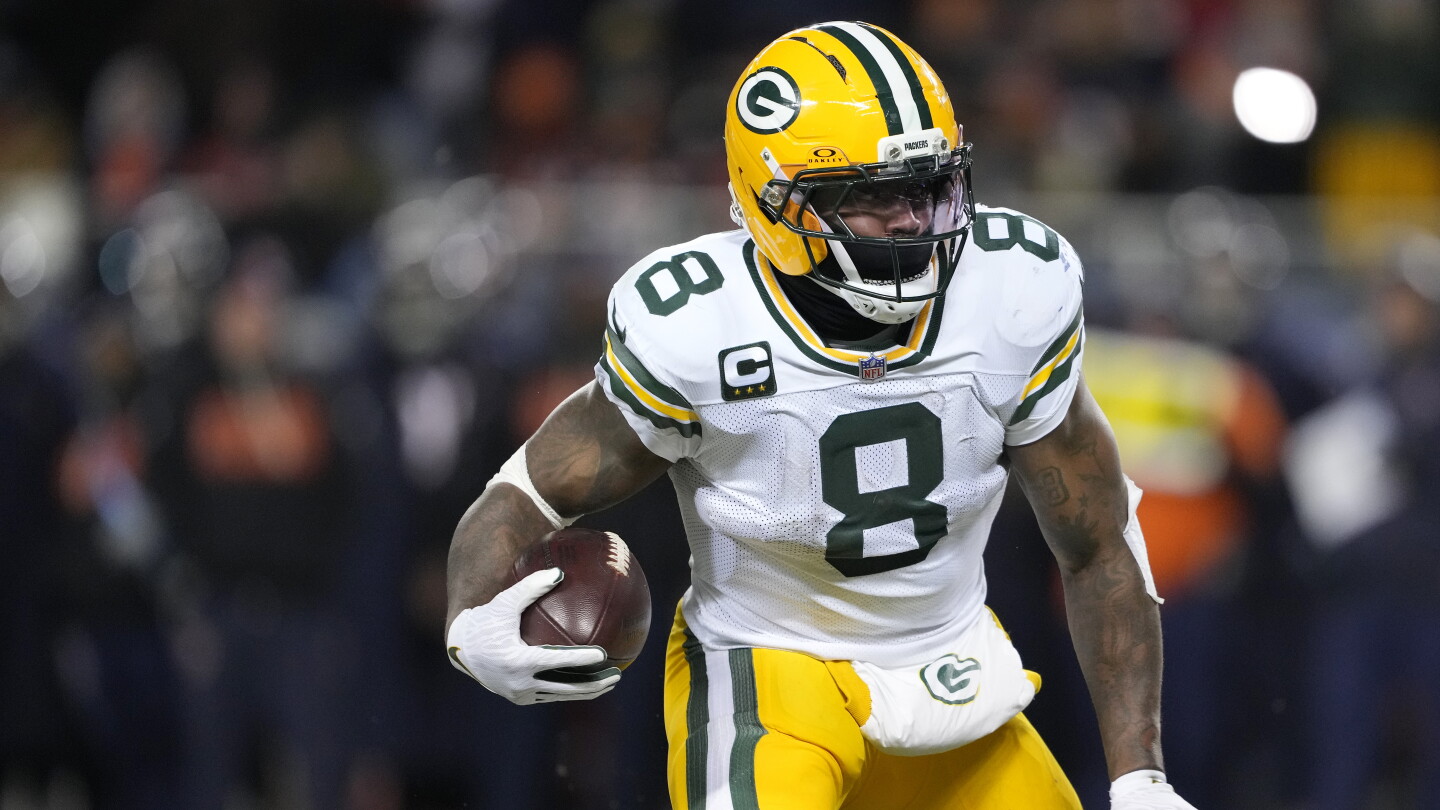
Josh Jacobs now has misdemeanor charges hanging over him after a Wisconsin arrest, and the [NFL](https://www.nfl.com) could decide the football side from the personal conduct side.