
Tour de France Stage 12 Crash: Collarbone Breaks and Concussion Checks
The sprint finish got ugly fast, and the medical report says it wasn’t just a bruise parade.
 Zane Miller5 min read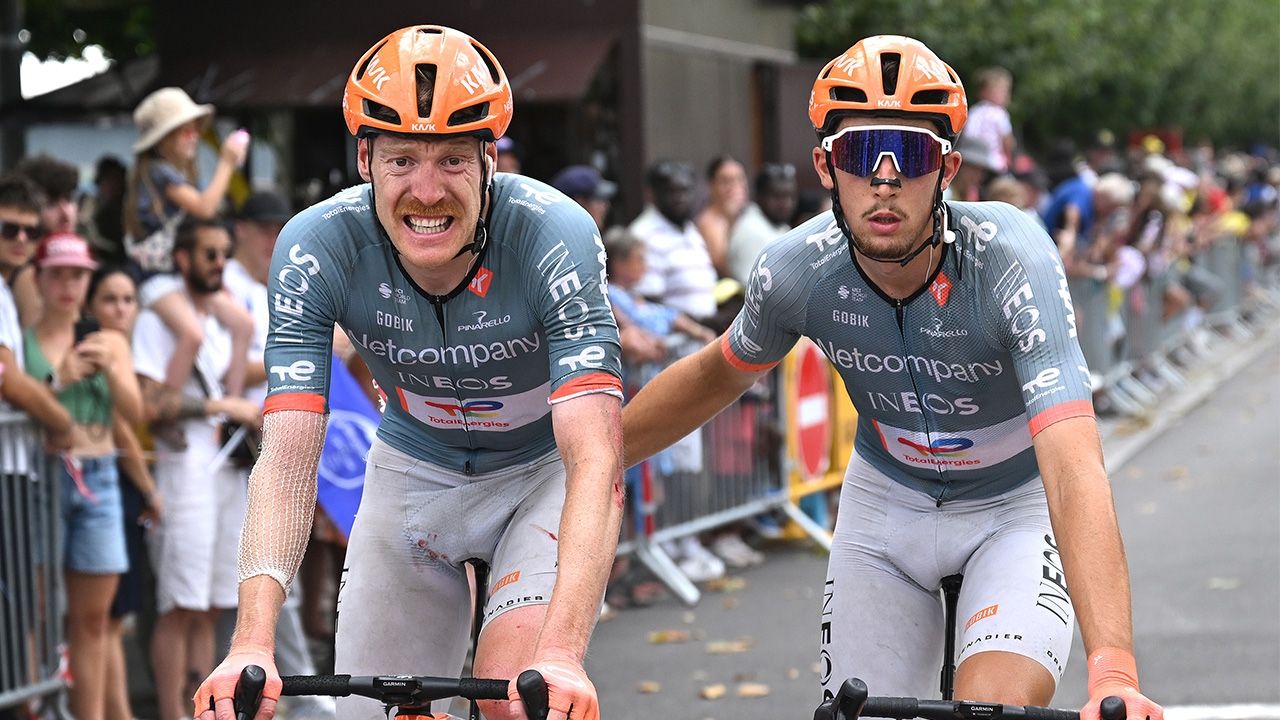
The final kilometer of stage 12 looked like another chaotic sprint-set piece. Then it turned into a medical bulletin.
By the time the dust settled, the Tour de France wasn’t talking about the finish line. It was talking about broken collarbones, concussion protocols, and the kind of pile-up that reminds everyone how thin the line is between a clean lead-out and a season-altering mess. Jenno Berckmoes and Fernándo Gaviria were among the riders hit hardest, while Dorian Godon got through the first concussion check. That’s not a footnote. That’s the story now.
A sprint stage that flipped in one instant
Stage 12 was supposed to be about speed, positioning, and whoever had the sharpest final kick. Instead, the crash in the last kilometer swallowed the whole narrative.
That’s the brutal tradeoff in modern sprint stages at the Tour de France. The run-ins are fast, narrow, and crowded with riders doing calculus at 60 kilometers per hour. One twitch, one overlap, one bad piece of road geometry, and the whole pack pays for it. The general public sees a crash. Teams see a medical spreadsheet, a GC stress test, and a logistical headache all at once.
For sprinters, this stuff is especially unforgiving. Their job is to surf chaos and come out the other side with enough momentum left to win. When the finish goes sideways, they’re usually the first bodies on the ground.
In sprint stages, the real race often starts with survival.
Collarbone injuries are the Tour’s favorite nightmare
Two collarbone fractures in one incident is exactly the kind of damage tally that makes team staff go cold.
A broken collarbone is one of cycling’s most common crashes-and-burns injuries because of how riders hit the deck: shoulder first, arm out, body twisted under pressure. It’s not glamorous, and it’s not rare. It’s just expensive in every direction. Recovery time, lost rhythm, lost race days, and for some riders, lost momentum that doesn’t come back for weeks.
Tour de France teams know the script. Even before the scans are final, mechanics start thinking about replacement bikes, directors start reshuffling plans, and sports directors begin calling agents and doctors with that tone everyone in cycling recognizes immediately: concerned, but already planning three moves ahead.
Berckmoes and Gaviria being among the riders with fractures matters beyond the injury list. Gaviria, in particular, is the type of name that changes the tenor of a sprint stage. When a proven finisher goes down, everyone from teammates to rival lead-out trains recalibrates. That’s not just a loss of one rider. It changes how the next sprint stage gets raced.
Dorian Godon’s first concussion check is only the first hurdle
Godon passing the first concussion check is good news, but it’s only the first checkpoint.
That’s the part fans sometimes miss. A rider can look upright, speak clearly, and still be dealing with delayed symptoms after a crash. Cycling has gotten better about this, which is a low bar historically, but better is not the same as settled. The first check matters because it keeps a rider in the race window. It does not guarantee the next 24 hours will be uneventful.
This is where the Tour’s medical response gets judged, fairly or not. The race is still a machine built around velocity and spectacle, but the sport has spent years trying to show it can slow down when the human cost demands it. Concussion protocols are part of that shift. They are also a reminder that the finish-line fireworks come with a real health bill.
I’ve covered enough races to know the emotional math in a moment like this. The peloton moves on. The broadcast moves on. The team bus does not. Inside those buses, riders are getting checked, tape is coming off, ice packs are being pulled from coolers, and staff are already trying to figure out if the next start line includes another absence. That’s the hidden roster game in cycling. It’s not just who’s fastest. It’s who can still assemble a functioning lineup three stages later.
And if you’re looking for the bigger pattern, this crash fits a Tour trend that keeps showing up in the most dangerous place: the final kilometer. The race is more technical, more compressed, and more nerve-driven than ever. The margins are shrinking, not because riders are less disciplined, but because everybody is better. Better lead-outs. Better timing. Better aggression. That arms race creates more traffic, and more traffic creates more wreckage.
What this means for the sprint picture going forward
For the sprint teams, the damage is immediate and practical. Lost riders mean lost protection. Lost protection means the surviving sprinter has to fight harder for wheels, safer lanes, and clean exits in the next fast finish. It’s a chain reaction.
It also changes how rivals race them. If a team takes a hit, other squads smell vulnerability fast. They press harder in positioning, shoulder more aggressively in the run-in, and force the weakened group to spend extra energy just staying in the picture. That’s how one crash turns into a three-day problem.
The broader Tour story is simple: every crash drains uncertainty out of the race and puts it into the medical room. That’s bad for the riders, bad for the teams, and honestly, bad for the product if it starts stacking up too often. Nobody wants a sprint stage decided by a wheel touch and a stretcher.
This is also where the sport’s credibility gets tested. Fans don’t need a sanitized Tour. They do need to know the race is not casually trading bodies for entertainment. The more these incidents pile up, the louder the conversation gets around finish design, barricade placement, and whether certain run-ins are still worth the risk.
That debate isn’t going away, either. It rarely does after a crash like this.
The Tour moves on, but the medical ledger doesn’t
The standings will keep churning. The peloton will keep rolling. Somebody else will win the next sprint and get the cameras.
But the real ledger from stage 12 is already written in scans and protocols, not seconds. Two collarbone breaks. One rider still clearing medical hurdles. And a stage that turned into a reminder that the Tour’s most explosive finishes are often its most fragile.
Watch the next sprint stage closely. The race within the race just got a lot tighter.
More from Straight From The Bench
Comments
Join the conversation — sign in to leave a comment.
Sign in to commentRelated Stories

Tony Reali After ESPN: Raw, Real, and Ready for the Next Act
Tony Reali is back, and this time the format fits the moment. After a year away from ESPN, he’s turning the page with a new YouTube show and a very different kind of spotlight.
Savannah Bananas ESPYs Performance: Brutal Backlash Hits Hard
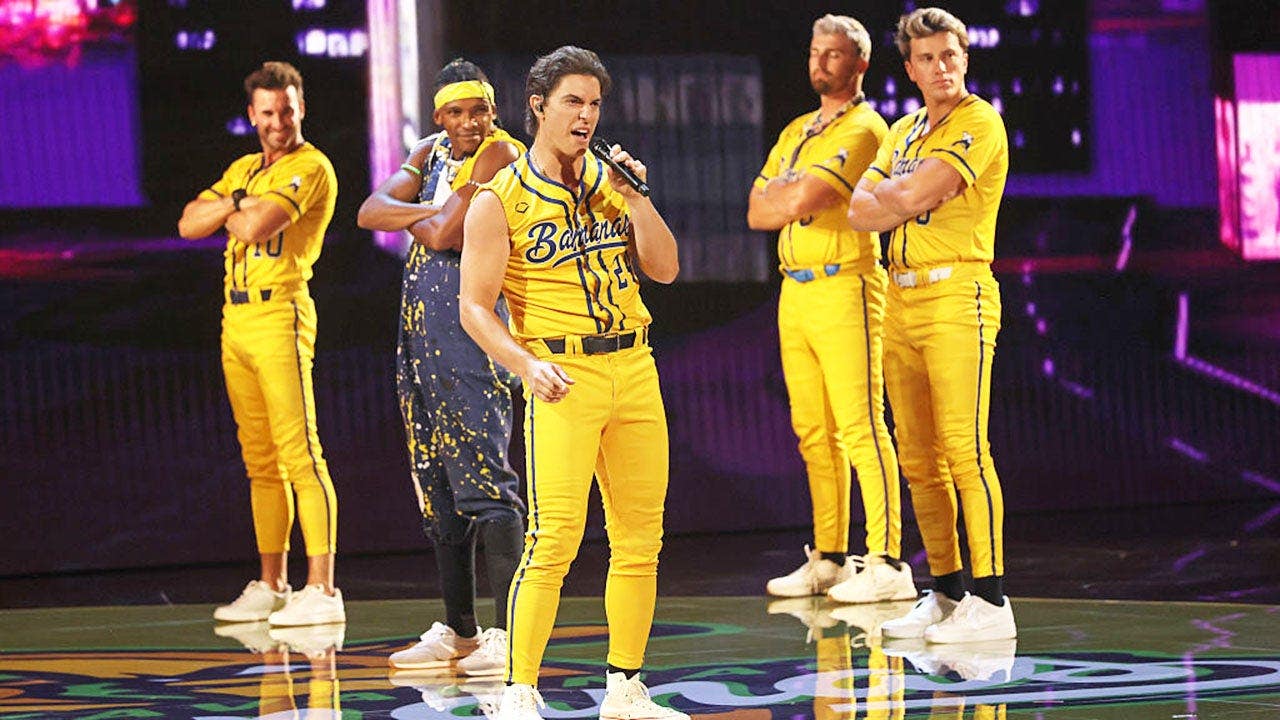
The Bananas brought their chaos to the ESPYs stage, and timelines lit them up. What plays in a ballpark doesn't always land under award-show lights.
Caitlin Clark Non-Call: Fever Star Voices Frustration vs Valkyries
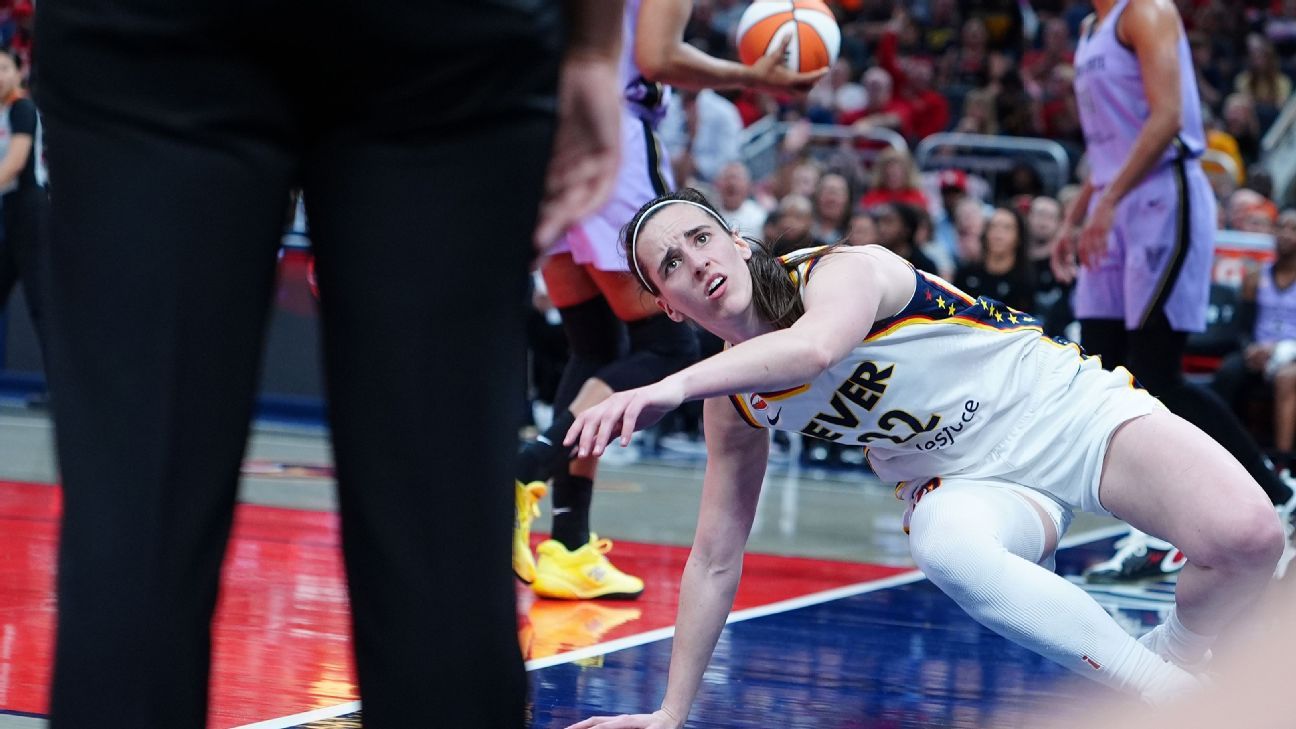
Caitlin Clark’s frustration after a missed call underscored more than one possession in a Fever loss. It was a reminder of how thin the margin remains around Indiana.