
Trey Yesavage Knee Surgery Update: Blue Jays Stay Patient
Toronto’s top arm isn’t out of the picture, but the runway just got shorter.
 Zane Miller4 min read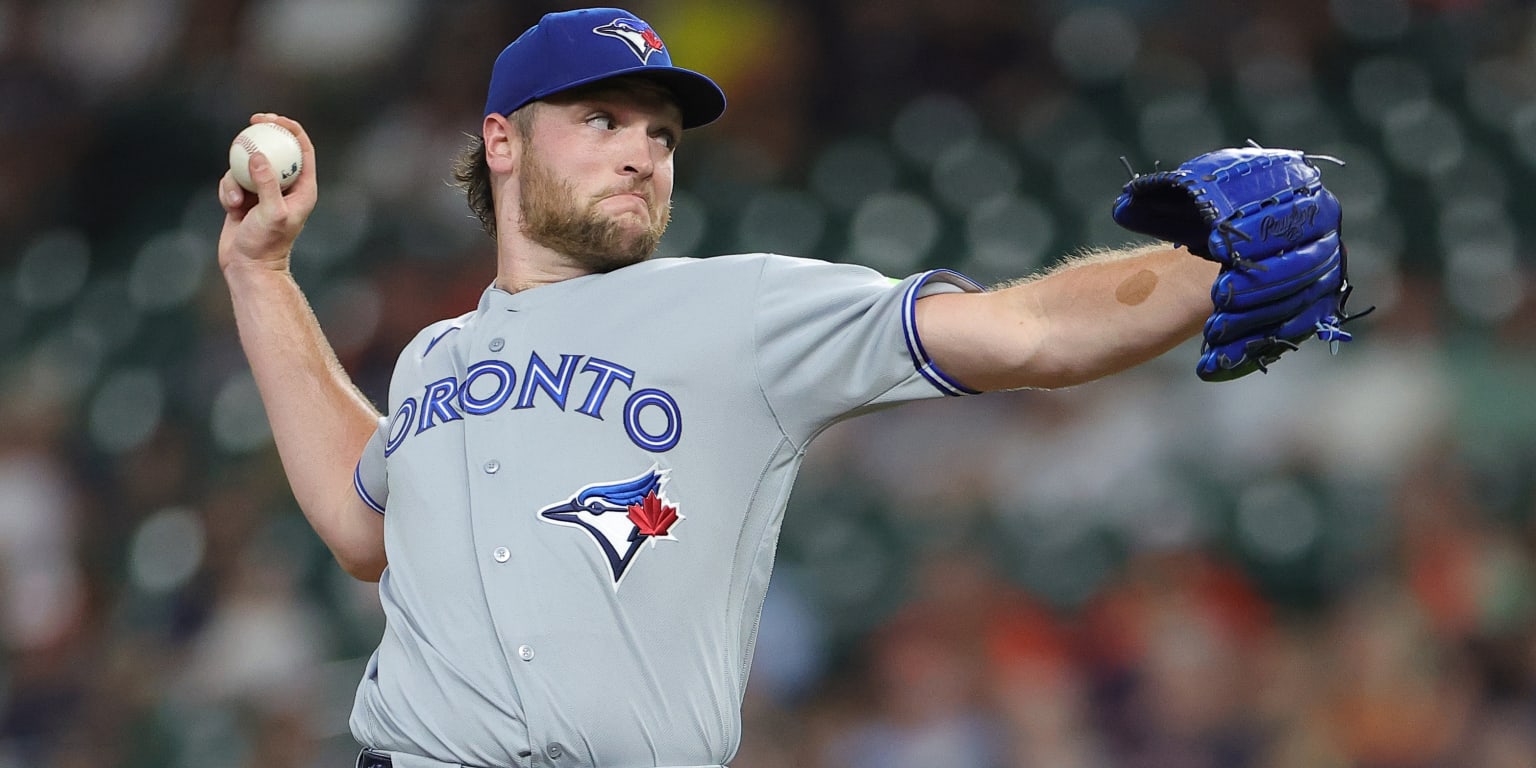
A clean-up procedure with real stakes
Trey Yesavage is now on the shelf after undergoing surgery on his left knee to repair a meniscus injury he picked up in Houston. That’s the kind of update that lands with a thud in August, even if the club is still talking like a return this season remains possible.
The Blue Jays aren’t treating this like a season-ender. They’re not slamming the door on 2025, and they’re not acting like they need to write off 2026 either. That matters. In a year where Toronto has been trying to balance immediate wins with longer-term roster control, every pitching injury forces the front office to make a choice: push, preserve, or punt. This one is another test.
Meniscus surgery is one of those phrases that sounds routine until you realize it can reshape a pitcher’s entire ramp-up. The knee drives the landing, the balance, the repeatability. For a young arm, that’s not a small detail. That’s the mechanism.
Why Toronto can’t afford to rush this
The Blue Jays have already spent enough time managing innings, workloads, and availability to know better than to force the issue. If Yesavage is truly still in the conversation for a late-season return, Toronto will have to thread a needle here. Not just medically. Strategically.
A pitcher coming off knee surgery doesn’t just need to feel good walking around. He needs to re-establish timing, get back on the slope, and prove the delivery is stable enough to survive game stress. That can happen faster than people think. It can also stall in a hurry.
For the Blue Jays, this is about leverage. If they can get him back, even in a limited role, that’s another arm option in a stretch that tends to expose staffs. If they can’t, they need the rotation and bullpen to absorb the loss without pretending it’s a minor annoyance. Those are different roster problems.
The roster ripple is bigger than one arm
Toronto’s pitching depth has been part of the conversation all year, and injuries like this are exactly why clubs obsess over keeping multiple lanes open. Starter, bulk arm, bullpen bridge, whatever label you want to slap on it — the math still comes down to innings.
That’s where the Blue Jays’ decision tree gets interesting. If Yesavage can return this season, do they want him stretched out as a starter, or would they rather ease him back in wherever the load is lighter? If he’s not quite ready, how much do they want to burn from the rest of the staff chasing a borderline return?
There’s also the development piece. Young pitchers don’t always come back from a lower-body injury with the same command right away. The body compensates. The release point moves. The fastball can still have life, but the misses show up in the wrong spots. That’s the hidden cost of these repairs.
This is the part teams hate most: the injury sounds manageable, but the recovery timeline can still wreck the plan.
The bigger Blue Jays calculation
Toronto has spent plenty of time this season living in the overlap between “competitive now” and “protect the future.” That overlap is where front offices earn their money. It’s also where bad decisions get expensive fast.
I’ve always thought these situations reveal how much a team trusts its own timeline. If the Blue Jays were buried, they’d be a lot more blunt here. If they were cruising, they might be even more patient. Instead, they’re in that awkward middle ground where every healthy inning matters and every medical update gets turned into roster theater.
That’s not a criticism. It’s reality. Clubs talk about patience until the standings force urgency. They talk about urgency until the injury report forces patience. The smart ones know those aren’t opposites; they’re just competing deadlines.
What to watch next in Toronto
The next step is less about the surgery itself and more about the ramp. How quickly does Yesavage get back to throwing? How does the knee respond once he starts building volume? And does Toronto keep him on a starter’s track or simplify the assignment if the calendar gets tight?
If there’s a useful comparison here, look at how teams handle young pitchers coming back from anything that affects stability. They tend to be cautious early, then aggressive only after the body proves it can hold up. The mistake is always the same: assuming “return this season” means the player will be effective right away.
Toronto doesn’t need optimism. It needs a clean recovery and honest checkpoints. That’s the game now.
And if Yesavage does get back before the year is over, it’ll say something about both the knee and the club’s medical plan. If not, the Blue Jays will move on with another reminder that pitcher depth is never optional.
More from Straight From The Bench
Comments
Join the conversation — sign in to leave a comment.
Sign in to commentRelated Stories
Brewers Re-Sign Bryse Wilson: Bullpen Reset After Weekend Flip
The Brewers reversed course fast, bringing Bryse Wilson back on a big league deal and trimming Lyon Richardson off the roster. That tells you how Milwaukee views the bottom of the bullpen.

Yankees Triple-A Affiliate Name Change: RailRiders Era Ends
The Yankees' Triple-A club is moving on from the RailRiders name in 2027, with a new identity due in November. That's a brand reset with real minor league stakes.

MLB Retirements: Tim Anderson headlines a busy August 11
Tim Anderson’s retirement note is the kind of August baseball news that lands with a thud. The season keeps rolling, but the roster churn is already telling a bigger story.