
Tyler Mahle Braves Return: Atlanta Should Bring Him Back
A short October audition can change a winter. Mahle just made his case in Atlanta.
 Beatrice Kensington6 min read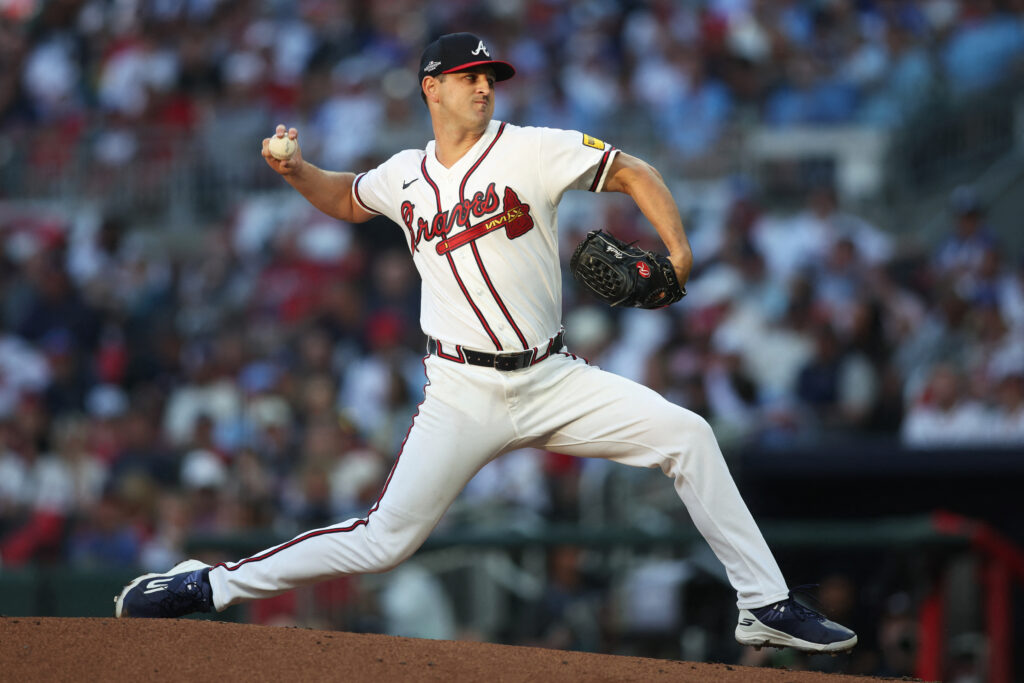
Tyler Mahle did not arrive in Atlanta carrying the scent of inevitability. He arrived carrying uncertainty, the sort that clings to a pitcher after injuries and interrupted seasons, after the calendar has already shaved away a little of the shine. Yet by the time the Braves asked him to cover critical innings down the stretch, he had done something quieter and more persuasive than flash: he had made himself useful. In October, that still counts for a great deal.
The free-agent right-hander has now made plain what the brief late-season stay suggested all along — he would like to be back. For the Braves, that ought to register as more than a courteous aside. It is a reminder that some of the best winter decisions are not born from marquee shopping trips, but from recognizing when a club has already watched a pitcher fit the room, the rhythm, and the pressure.
Mahle’s October work gave Atlanta something tangible
The Braves have spent enough seasons chasing October with a roster built for it to know the difference between a name and a fit. Mahle’s value in Atlanta was not theoretical. He gave them innings that mattered, and in the postseason he was even better, working through high-leverage frames when every out came with the weight of a crowd and the cold arithmetic of elimination.
That matters because pitching staffs in October do not simply need talent; they need trust. The manager needs to know who can take the ball with runners on, who can steady a game that threatens to tilt, who can survive the inning that cracks a weaker arm. Mahle’s late run suggested he could be one of those arms. Not the headline act. The stabilizer.
And there is real value in that kind of pitcher. A team chasing another deep run cannot have too many starters who can also function as bridge pieces, or emergency length, or the kind of arm that keeps a bullpen from being dragged into the mud. Atlanta’s recent October history has been shaped as much by who could absorb damage as by who could create it. The Braves know this better than most.
Why Mahle fits the Braves’ winter arithmetic
There is a reason this interest feels more than sentimental. The Braves have lived in the long shadow of attrition, and a season’s pitching plan rarely survives contact with the season itself. A rotation can look settled in March and ragged by August. That is the nature of modern pitching, especially for clubs with postseason ambitions that stretch deep into the calendar.
Mahle’s appeal sits at the intersection of performance and practicality. He has shown he can handle meaningful innings, and he comes without the price tag of the very top tier. That alone makes him the sort of pitcher front offices circle on whiteboards while the stars remain out of reach. Atlanta does not need to reinvent its staff so much as deepen it. A healthy, effective Mahle gives them another option behind the marquee arms, another layer between expectation and emergency.
For a club that has spent recent years living among contenders, the margin is no longer about whether it can win 90 games. It is about whether it can survive the weeks when one starter is short, another is flat, and the bullpen is asked to carry a little more than its share. Mahle answered some of those questions late in the year. That is not trivial. It is often the beginning of a contract.
In a market full of louder names, the Braves may have found the quieter kind of upgrade that wins series in October.
That sentence may not stir a fan rally, but front offices are built on exactly this kind of sober, sometimes unromantic logic. The difference between a rotation that endures and one that unravels is often a pitcher like Mahle — not famous enough to dominate the winter, but good enough to save a spring.
What his interest signals about Atlanta’s pitching culture
I have long believed the best organizations reveal themselves not only by whom they chase, but by whom they keep circling back to. A club with a real pitching identity knows that reclamation is not charity; it is strategy. Atlanta has spent enough time around the edge of contention to understand the value of finding a veteran who has already been tested in its uniform and asked to answer in meaningful moments.
That is why Mahle’s interest feels culturally important as much as competitively useful. It suggests he saw something there, something stable enough to return to and demanding enough to matter. Players notice these things. They know when a clubhouse has the hard edges softened by competence, when a coaching staff communicates clearly, when the assignment is not chaos disguised as opportunity.
I’ll say this plainly: I would trust the Braves to do something sensible here, and sensible can be the most underrated word in a baseball winter. Atlanta does not need to win the offseason. It needs to build a staff that can still breathe in September. Mahle, on the evidence available, looks like the sort of acquisition that does not make a parade route but can help create one.
For more on how the Braves have approached pitching decisions this fall, our look at the club’s broader October foundation in postseason rotation building offers useful context, even if the road there was shaped by different uniforms and different bruises. The lesson is the same. October punishes thin pitching more than almost anything else.
The next move belongs to Atlanta
The beauty of a return like this is that it asks the club to reward memory with action. Mahle did the work. He showed enough to justify a place in the conversation. Now the Braves have to decide whether they want the pitcher who closed the year, or whether they are content to let that production drift into the open market and see if someone else values it more.
They should value it. Not because he is a savior, and not because one solid run erases the risk that sits around any arm. But because good teams are built by identifying the players who raise the floor without demanding the moon.
Mahle has given Atlanta a fair reason to think he can be one of those players. The winter will tell us whether the Braves are listening.
If they are, this one makes too much sense to ignore.
More from Straight From The Bench
Comments
Join the conversation — sign in to leave a comment.
Sign in to commentRelated Stories
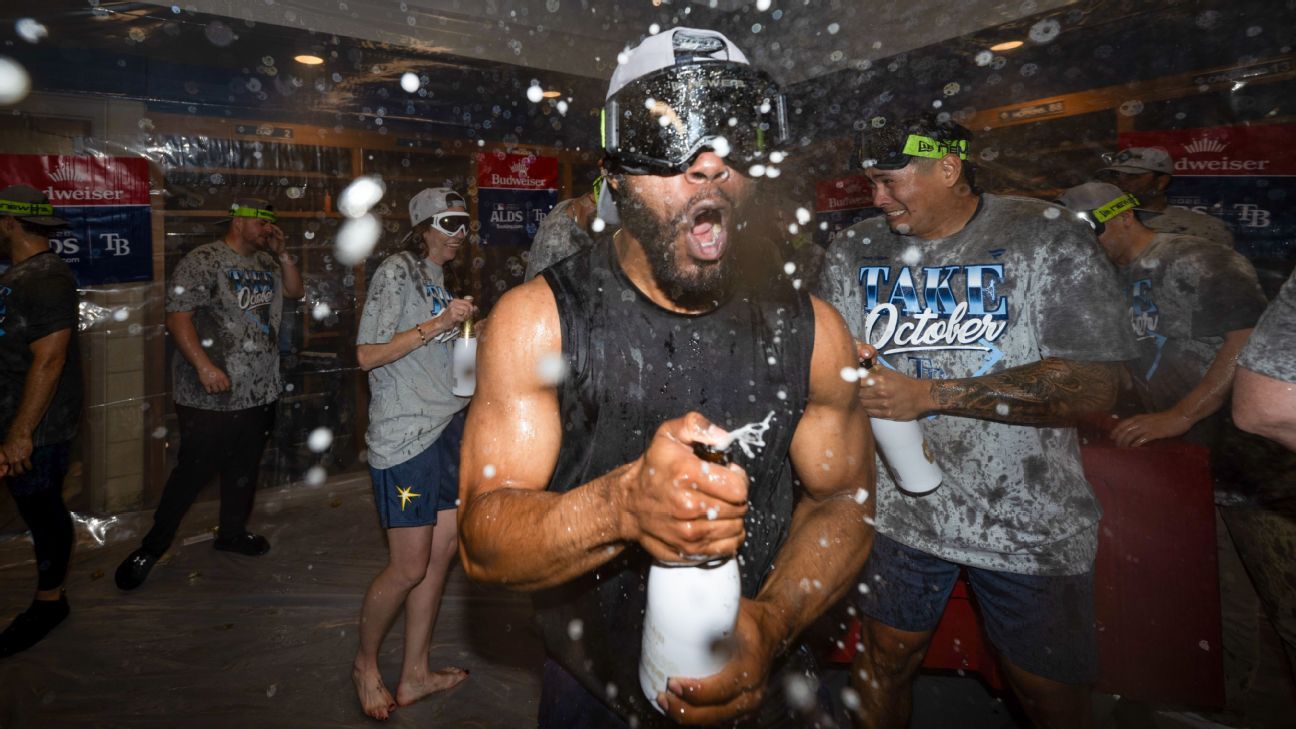
Rays vs Yankees ALDS: Tampa Bay Trolls New York After Sweep
The Rays didn't just beat the Yankees. They left Yankee Stadium humming a Sinatra jab and a fresh bruise on New York's ego.

Rays vs Yankees ALDS: Tampa Bay Punches Ticket to the ALCS
Tampa Bay kept its nerve through Bronx chaos and a roster full of fresh faces. The result: another trip to the ALCS, earned the hard way.
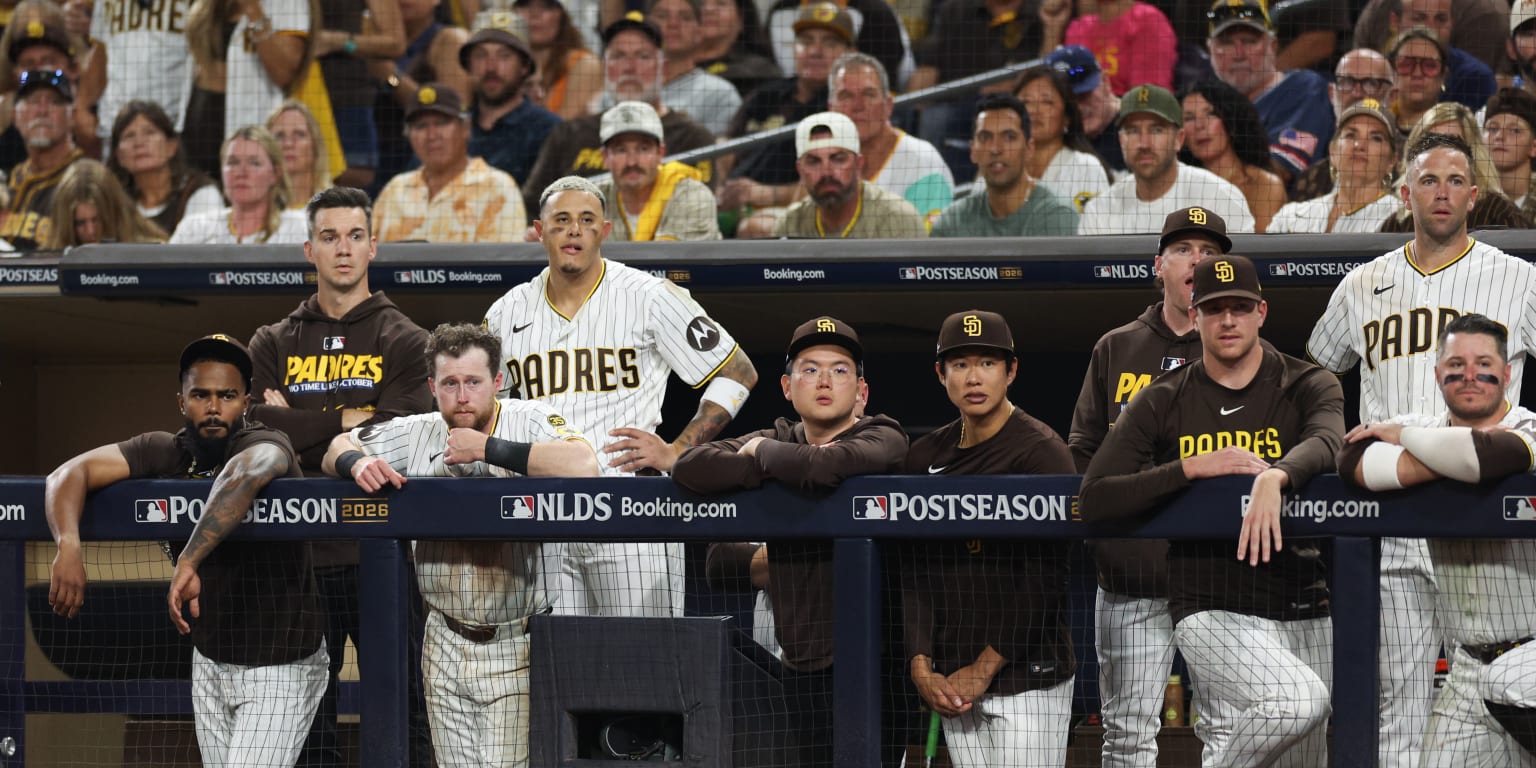
Padres NLDS Exit: What Could Have Been Still Lingers
San Diego’s October run ended one step short, and the sting comes from the shape of the series as much as the result. The Padres leave with evidence they belong — and with questions that will not sit