
UCLA Athletics Deficit: Donor Support Dried Up Before Jarmond Fell
Big Ten money didn’t fix the real leak in Westwood.
 Zane Miller5 min read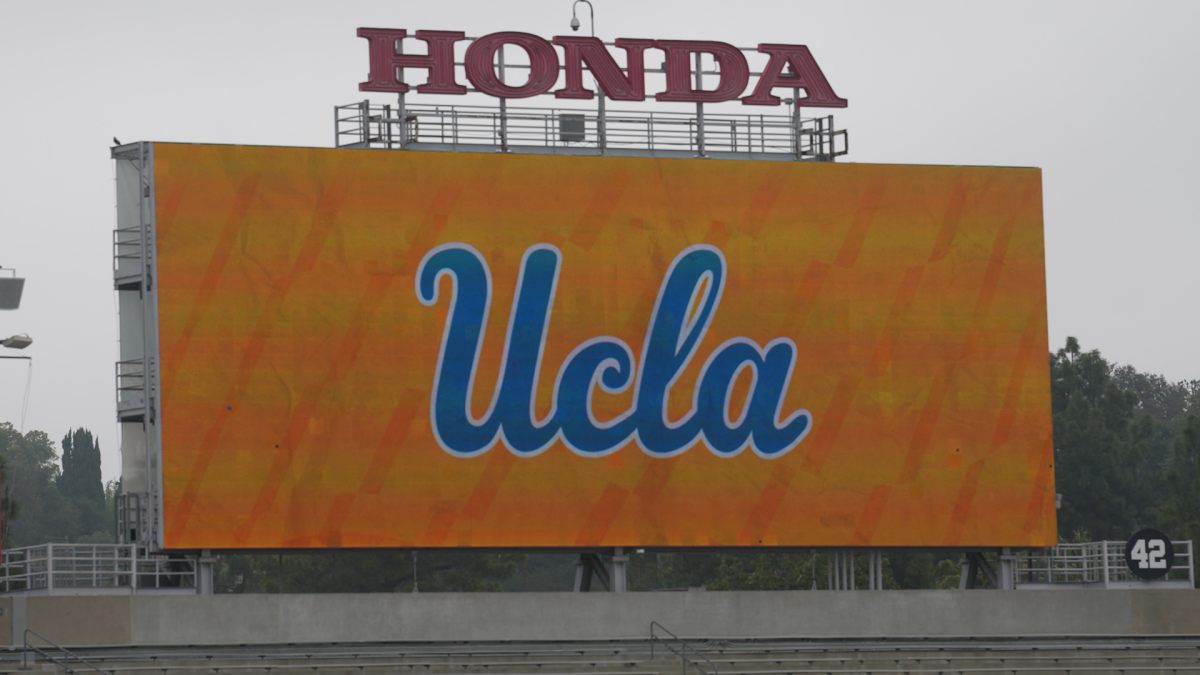
The Big Ten move didn’t solve UCLA’s real problem
UCLA thought the Big Ten payday would stabilize the machine. It didn’t. Not in the way people around college athletics hoped, and not in the way Westwood needed.
The fresh cash that comes with joining a richer league was supposed to buy breathing room. Instead, the deeper issue kept staring back from the balance sheet: donor giving faded, sponsorship momentum stalled, and fan engagement never matched the size of the stage. That’s the part that matters here. The move to the Big Ten gave UCLA a better zip code on television. It did not magically rebuild trust inside its own ecosystem.
This is why the UCLA Bruins situation turned so sour. Once the booster base starts acting like it’s on hold, the entire athletic department starts feeling it. Facilities, coaching hires, support staffing, NIL competitiveness, donor cultivation — all of it gets tighter. For a school with this kind of history and brand weight, that’s a brutal look.
The donor slowdown was the warning sign everyone ignored
The loudest part of this story isn’t the firing. It’s the timing. If major donors were already fed up long before Martin Jarmond got shown the door, then the department had a confidence problem, not just an executive problem.
That’s the real executive-level read. When big checks stop coming in, it usually means people with money think the operation lacks direction. They don’t need a public memo to say it. They just stop answering the phone. They start supporting elsewhere. They wait out the current regime. And once that happens, the athletic director becomes the face of every frustration — even the ones he didn’t personally create.
UCLA didn’t just lose patience with an AD. It lost the benefit of the doubt.
The numbers behind college sports are unforgiving now. Revenue-sharing pressure, NIL competition, rising travel costs, facility arms races — all of it punishes schools that can’t keep their donor class energized. UCLA should be better positioned than most. It sits in Los Angeles, has a national brand, and now carries Big Ten money. Yet the financial story still went sideways.
Why this stings more in Los Angeles
This is where the UCLA case gets wider than one campus. In a city loaded with entertainment dollars, corporate money, and sports-adjacent wealth, a donor disengagement problem is not normal. It’s a flashing red light.
Los Angeles should be fertile ground for premium athletics support. Instead, UCLA’s challenge has been converting market size into actual institutional buy-in. That disconnect is why this matters beyond the Bruins. Schools love to talk about brand value, TV windows, and conference alignment. Fine. But money in college sports still comes from people who believe the department is worth backing long-term.
And that confidence is hard to fake. When fans feel detached and donors feel unheard, the department gets squeezed from both sides. You can’t build a modern power structure on nostalgia alone. The old UCLA glow — the banners, the history, the reputation — only buys so much time if the current product doesn’t create urgency.
For context, this kind of drift has wrecked plenty of programs that thought the logo would carry them forever. It doesn’t. Not anymore. The brand opens doors. The donor base pays the bills.
Jarmond becomes the symbol, not the entire story
Martin Jarmond’s firing will be treated like the clean fix. It rarely is.
Yes, the AD is the easiest target when the budget is ugly and the confidence is gone. That’s the job description. But the bigger problem in Westwood is structural. UCLA has been trying to act like a top-tier national player while still dealing with internal skepticism about whether the department is truly aligned from top to bottom. That gap shows up in fundraising. It shows up in attendance. It shows up in the vibe around the program.
This is where I’ll put my flag in the ground: the next athletic director isn’t being hired to merely manage a spreadsheet. They’re being hired to sell belief. That’s the job now. Not just compliance, not just scheduling, not just hiring coordinators. Belief.
I’ve seen enough of these situations to know the pattern. Once a school starts leaking trust, every decision gets second-guessed. Every donor visit is harder. Every coach asks for more. Every department expense feels heavier. You can raise the TV money and still feel broke if the people closest to the program are no longer leaning in.
What UCLA has to fix before the next hire matters
The next move has to be about more than optics. UCLA needs a real reset in how it courts its supporters and explains where the program is heading. The Big Ten move was supposed to be a selling point. Now it has to become a proof point.
That means sharper fundraising, better communication, and a harder edge in connecting the department to its most important stakeholders. It also means recognizing that the market has changed. Schools can’t coast on legacy names while asking boosters to cover the gap. The richest donors in modern college sports want confidence, clarity, and a plan they can actually believe in.
The whole thing also becomes a warning shot for the rest of the sport. If a school with UCLA’s pedigree can’t keep its money base engaged after a conference move that should’ve boosted its profile, nobody gets to assume stability anymore. Not in college athletics. Not with the current economics.
UCLA’s next chapter starts with a simple reality: the brand is still powerful, but the trust has to be earned back. And that’s a lot harder than cashing a Big Ten check.
The next AD walk into Westwood won’t be inheriting a blank slate. They’ll be inheriting a repair job. And in this business, repair jobs are where careers get made — or broken fast.
More from Straight From The Bench
Comments
Join the conversation — sign in to leave a comment.
Sign in to commentRelated Stories
College Football 2026 Simulations: CFP Odds and Title Race
SP+ simulations sketch the 2026 race, but college football still refuses to be flattened into math. The numbers clarify the field — and leave plenty to argue about.
Buddy Stephens EMCC Exit: Last Chance U Coach Out After Criticism
Buddy Stephens is out at East Mississippi Community College after publicly ripping conference changes. The move closes a wild chapter for the most famous junior college program in America.
TCU Receiver Locker-Room Attack: Football’s Ugly Off-Field Truth
A TCU receiver spent three days in the hospital after a locker-room attack, a rotten reminder that teams can lose control fast when tempers boil over.