
UFC 329 fight grades: McGregor injury couldn’t sink the card
The bad taste lingered, but the night’s best fights kept the ledger in the black.
 Zane Miller6 min read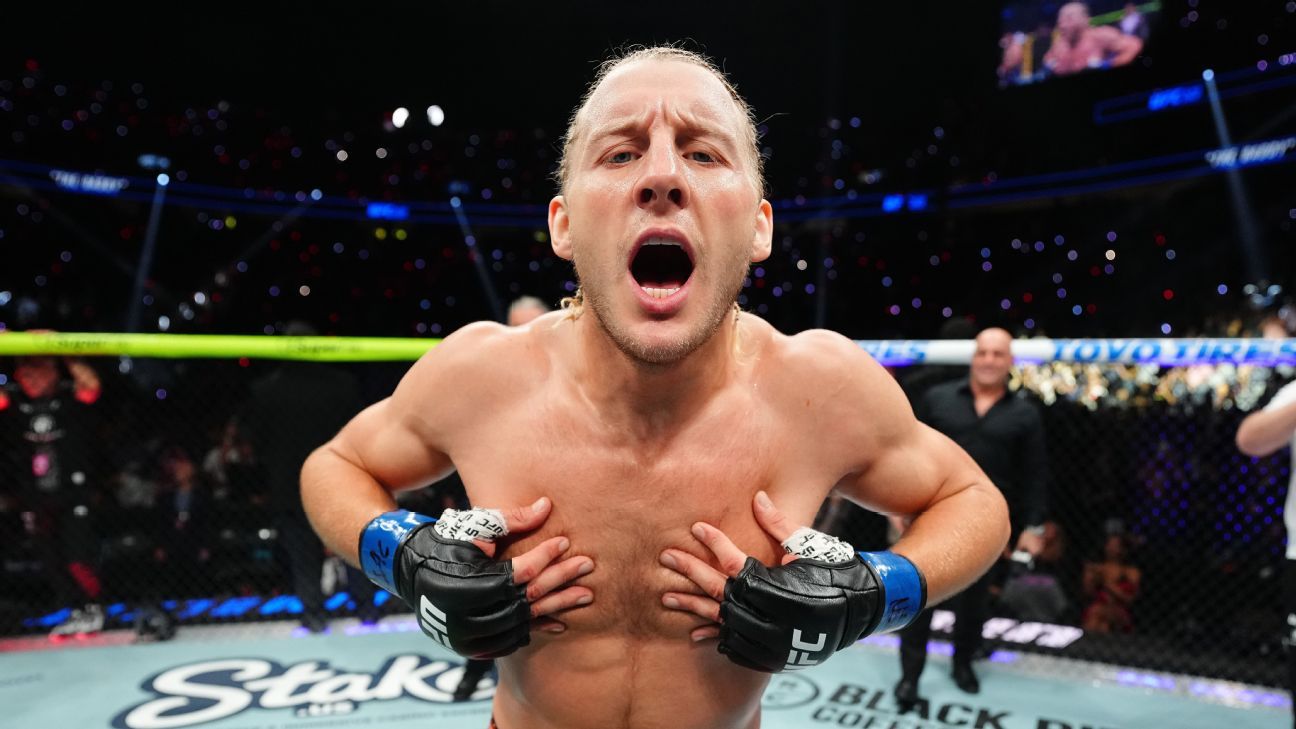
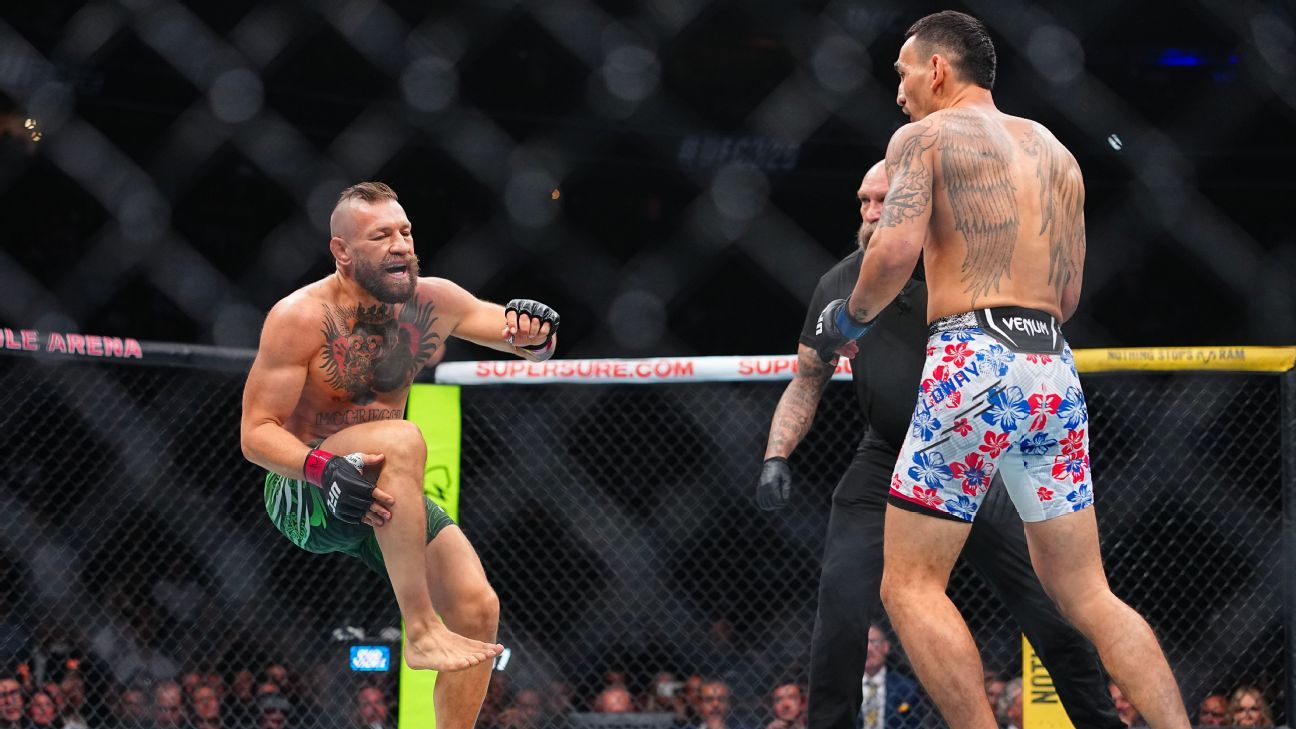
UFC 329 had the kind of opening act that makes a card feel like it might wobble. Then the night kept moving. That’s the story here. Conor McGregor’s injury in his return against Max Holloway left the main-event buzz with a sour edge, but the rest of the show did enough heavy lifting to keep the event from sliding into the scrap pile.
The UFC has spent years learning the same lesson: one busted headliner does not automatically kill the entire broadcast if the rest of the slate has teeth. This was one of those nights. The people who bought in for the top names probably walked away irritated. The people who stayed for the full card got real value. That matters more than the bruised feelings on social media would suggest.
McGregor’s injury changed the mood, not the math
The main event was always going to carry a huge share of the attention. That’s the McGregor effect. Even now, even with all the miles on the tires, he remains one of the few MMA names who can bend the entire conversation around a single fight week. When the return ends because of injury instead of a clean, decisive swing, the air gets sucked out of the building fast.
But the card didn’t collapse with it. That’s the part worth paying attention to. Too many fight nights become hostage situations, where the rest of the lineup is treated like filler until the headliner arrives. UFC 329 had enough competitive value underneath the marquee to keep the product from feeling broken.
A bad ending can still leave behind a good card. UFC just proved that again.
The promotion has been here before. Headliners fall apart. Title fights get weird. Stars get hurt. The difference between a forgettable event and a useful one is depth, and this card had just enough of it.
Paddy Pimblett kept the night from going flat
Paddy Pimblett is one of those fighters who creates noise even before the cage door closes. That’s not an accident. He brings a built-in audience, a meme-ready profile, and enough charisma to keep casual fans watching. On a night where the main event lost some of its shine, that kind of energy was oxygen.
His performance mattered beyond just one result. Fighters like Pimblett are how a card survives a bad break. They don’t just win rounds; they keep the timeline moving. They give the UFC something to clip, something to push, something to build around when the biggest story goes sideways.
That’s the modern fight-business reality. The company doesn’t need every name to be a pay-per-view anchor. It needs a few fighters who can absorb attention when the biggest star goes down. Pimblett fits that role better than most.
Gable Steveson is still a massive upside bet
Gable Steveson’s presence on a card like this tells you plenty about where the UFC’s eyes are landing. Athletic freaks with elite wrestling backgrounds are always going to get a longer look, and Steveson has the sort of raw appeal that makes executives lean forward. The learning curve is the whole story now.
He doesn’t need to be perfect. He needs to look like a real project. That’s how this works. The UFC loves a developmental runway as long as the upside is loud enough to justify it. Steveson gives them a different kind of asset than the usual prospect: name recognition, real physical tools, and a ceiling that people immediately want to argue about.
That also makes his performances matter more than the average undercard win. Every round tells a story about whether he can convert the room-temperature hype into something sturdier. That’s what this stage is for. Not coronation. Calibration.
The undercard did the bookkeeping work
This is where UFC 329 earned its stripes. Not with one moment, but with accumulation. The strong performances from the supporting cast kept the event from turning into a one-fight memory. That’s the difference between a night fans complain about and a night fans keep discussing the next morning.
The UFC calendar is crowded, and everyone in the business knows it. Fans have endless options, fighters are fighting for ranking oxygen, and the promotion is always deciding which names deserve the bigger push. A card like this becomes a test of roster health. Can the event survive a top-line problem and still feel worth the time? On balance, yes.
That’s especially important in a market where attention is expensive. If the only thing people remember is an injury, you’ve lost more than one bout. If the card produces a few new talking points, you buy yourself another week of momentum.
What this says about the UFC’s roster, and why I’m paying attention
I’ve covered enough of these cards to know the pattern. The public grades an event by the headline. The UFC grades it by the inventory. Different business. Different math.
My read: this was a reminder that the promotion’s real strength is not any one superstar, not even one as magnetic as McGregor. It’s the ability to keep the machine humming when the top name faceplants out of the frame. That is roster construction, not luck. And it’s the same reason the UFC can weather a bad main event better than most leagues can weather a bad primetime window.
There’s also a bigger ripple here for the fighters who came through. When a card gets saved by the supporting cast, those wins travel. They become part of the next booking conversation. They matter in a way that a standard win on a dead Saturday never quite does. That’s how careers get nudged forward in this sport. One clean performance on a night everybody was watching anyway can do more than three quiet appearances on a lesser card.
If you want the broader backdrop, the UFC has been leaning harder into event depth for a while now. The days when one title fight could carry the entire bill are fading. Cards need layers. The promotion knows it. The fighters know it. The audience definitely knows it. That’s why stories like Fever vs Aces: Caitlin Clark, Indiana Torch Las Vegas Again matter in the same media ecosystem: stars still drive attention, but depth keeps people around.
For the UFC specifically, this was a good stress test. Not perfect. Not clean. Good enough to show that the floor is sturdier than the bad taste from the main event suggested.
The next card won’t care about the excuses. It never does. The only thing that matters now is whether the fighters who carried UFC 329 can keep their momentum when the spotlight shifts again.
More from Straight From The Bench
Comments
Join the conversation — sign in to leave a comment.
Sign in to commentRelated Stories

Sophie Cunningham UFC 329 Ring Girl Appearance: How It Happened
Sophie Cunningham’s UFC 329 cameo wasn’t scripted. It still became one of the night’s loudest moments, and Dana White knows exactly why that matters.
McGregor’s Knee Wasn’t the Problem. The Clock Was.
John Kavanagh says Conor McGregor’s knee held up fine before UFC 329. The bigger question is whether the fighter did anything worth trusting it for.
2026 Home Run Derby: Time, Streaming, Participants and Format
The 2026 Home Run Derby lands in Philadelphia with a new swing-based format and a Netflix-only stream. Here's what matters and why it feels different.