
Vikings Jordan Mason Injured Reserve: Thumb Injury Shakes Backfield
A sturdy running game just lost another useful set of hands.
 Beatrice Kensington5 min read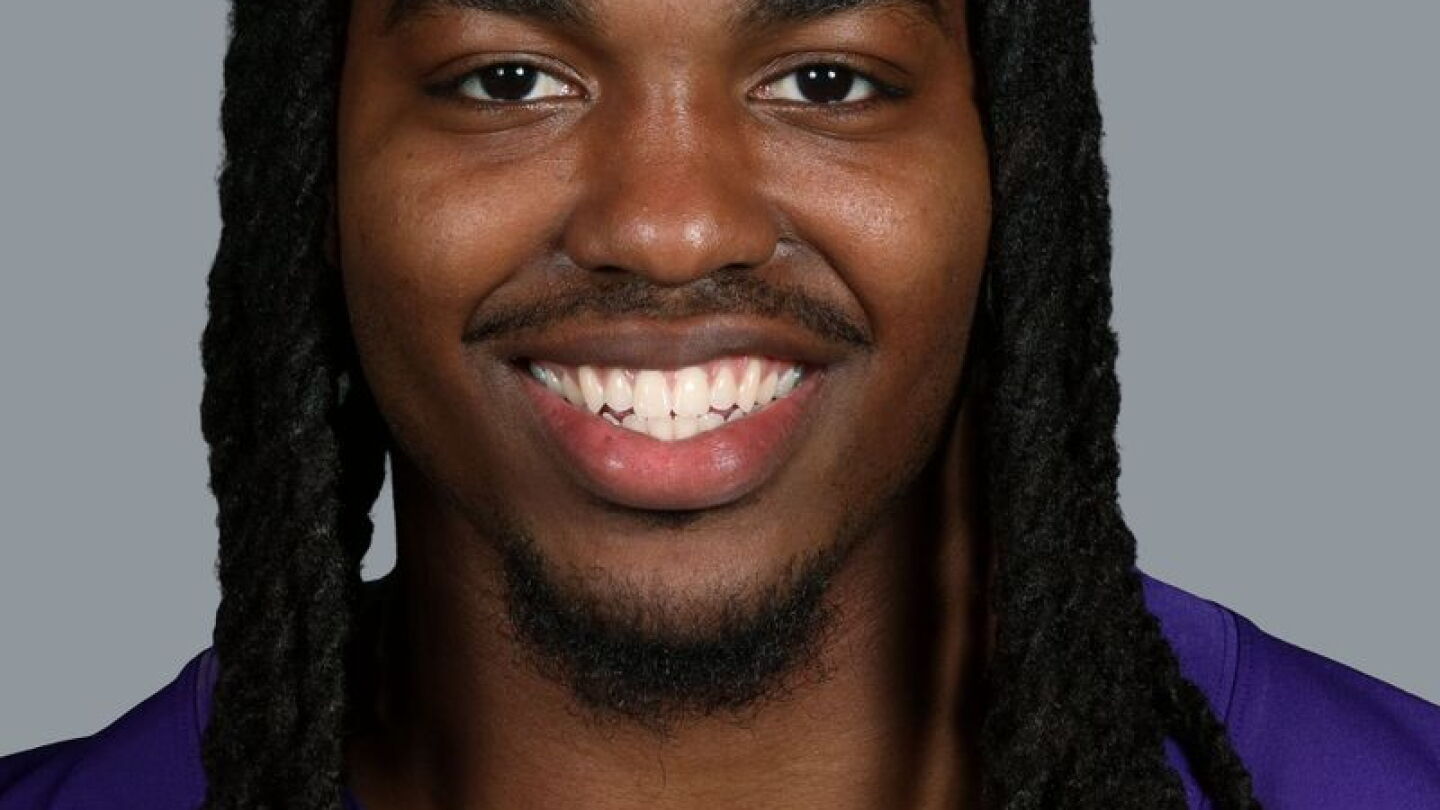
A backfield that keeps taking small bruises
The Minnesota Vikings have placed running back Jordan Mason on injured reserve with a thumb injury, and while the designation is not the sort that sets off sirens across the league, it lands with the quiet cruelty these roster moves often carry. One man’s thumb becomes everybody else’s workload, and suddenly the arithmetic in the backfield changes. Less margin. More pressure. Fewer easy snaps.
Mason arrived in Minnesota with the kind of reputation coaches tend to trust in September: sturdy, direct, willing to take the pounding that comes with NFL running back work. Injured reserve does not erase that usefulness, but it does remove it for a stretch, and that matters for a team trying to keep its offense from drifting into obviousness. The Vikings do not simply lose a runner; they lose a body that can help define down-and-distance, protect a lead, and keep a defense honest enough to hesitate for a beat.
Why a thumb injury matters more than it sounds
A thumb injury for a running back is one of those ailments that feels minor until you remember what the job asks for. Securing the ball through contact. Reading a crease while a linebacker is unloading into your ribs. Reaching out for a handoff, then bracing for the collision that follows. The position is a daily argument with gravity, and the hands are not decoration.
This is the part of the NFL that rarely gets romantic treatment. Fans see the yards, the broken tackles, the highlight reels. Teams see the little erosions that force them to change protections, lighten the load, or ask a receiver to become a pseudo-runner on a jet sweep. When a back goes on injured reserve, coaches are not just replacing production; they are recalibrating the shape of the offense.
For Minnesota, that can ripple into the passing game as well. A steady run game is not just about ball carriers gaining yardage. It is about how often the quarterback gets to live in second-and-6 instead of second-and-10. It is about whether the defense has to honor play-action or can simply pin its ears back and hunt. The Vikings have seen enough of the league’s injury mathematics to know that one absence can become a schematic burden in a hurry.
The burden shifts to the depth chart
There is no graceful way around this: the next men up are now carrying more than their share of significance. A running back room does not merely absorb a missing player; it changes temperament. Pass protection becomes less forgiving. Red-zone snaps become more contested. Third-and-short turns from a routine to a referendum.
That is why this kind of roster move tends to reveal a team’s real construction. If the backup can run with conviction, the offense survives. If not, the coordinator starts reaching deeper into the bag. More motion. More gadgetry. More hope that the quarterback can paper over the gap with timing and improvisation.
Minnesota’s season will not be defined by one thumb injury, but it will be influenced by the accumulation of these small losses, the kind that do not make for dramatic television yet steadily drain a roster of certainty. The Vikings have already had to manage other health concerns around the league’s early stretch, and fans who followed the Zay Flowers hamstring update or the Sam Darnold injury update know this well: the season is often less a straight line than a series of adjustments made in the dark.
Injured reserve is where optimism goes to be tested against reality.
What this says about Minnesota’s margin for error
I have always believed the first few roster injuries tell you something far more useful than the standings do. They expose whether a team was built with redundancy or with faith. Redundancy is boring on paper. Faith sounds beautiful in summer. By September, redundancy wins more games.
The Vikings have been trying to live in the thin air between ambition and practicality for years now, and this news nudges them back toward the practical end of the spectrum. Running back is one of the few positions where a club can still be punished brutally for being just a little light on depth. A receiver can disappear for a series and return. A lineman can shuffle assignments. A backfield, though, can unravel by degrees, each missing piece changing how the entire offense breathes.
There is also the human side that gets flattened in transaction language. A player goes from active contributor to a name on a report, and the public often treats the move as a clerical matter. It is not. It is rehab, repetition, frustration, and the patient work of getting grip strength back to the point where a handoff feels ordinary again. That is a lonely road for a player whose job depends on controlled violence.
The Vikings will sort the snaps out. NFL teams always do. But if Mason was meant to give them something stable and punishing between the tackles, then the absence leaves a little less steel in the machine.
The next snap matters more now
Minnesota does not need panic. It needs competence, and maybe a little luck around the soft edges of the roster. The offense can survive this if the replacement carries the ball cleanly, the line creates modest room, and the staff resists the temptation to ask everyone else to do too much too soon.
That is the game inside the game now. Not drama. Not theater. Just the daily business of surviving September without letting one missing thumb become a season-wide habit.
The Vikings have lost a useful piece, and they have gained another test. Those are often the same thing in the NFL.
More from Straight From The Bench
Comments
Join the conversation — sign in to leave a comment.
Sign in to commentRelated Stories
Travis Kelce Ponzi Scheme Case: Chiefs Star Among Victims
Travis Kelce was among the victims in a multimillion-dollar Ponzi scheme that ended with an 11-year prison sentence. The story is bigger than one famous name.
Baker Mayfield Browns Reunion: Ken Zampese Says Cleveland Mucked It Up
Baker Mayfield meets the Browns again, and Ken Zampese’s blunt take says plenty about how Cleveland handled its most famous swing. Some scars just never quit.

Fantasy Football Rankings: Hayden Winks’ RB Blueprint for Week 2
Week 2 is where fantasy managers start separating instincts from noise. Hayden Winks’ RB blueprint is built for that exact trap.