
White Sox Luis Castillo Trade: Seattle Sends Ace to Chicago
A frontline arm changes hands, and both front offices just revealed their priorities.
 Zane Miller5 min read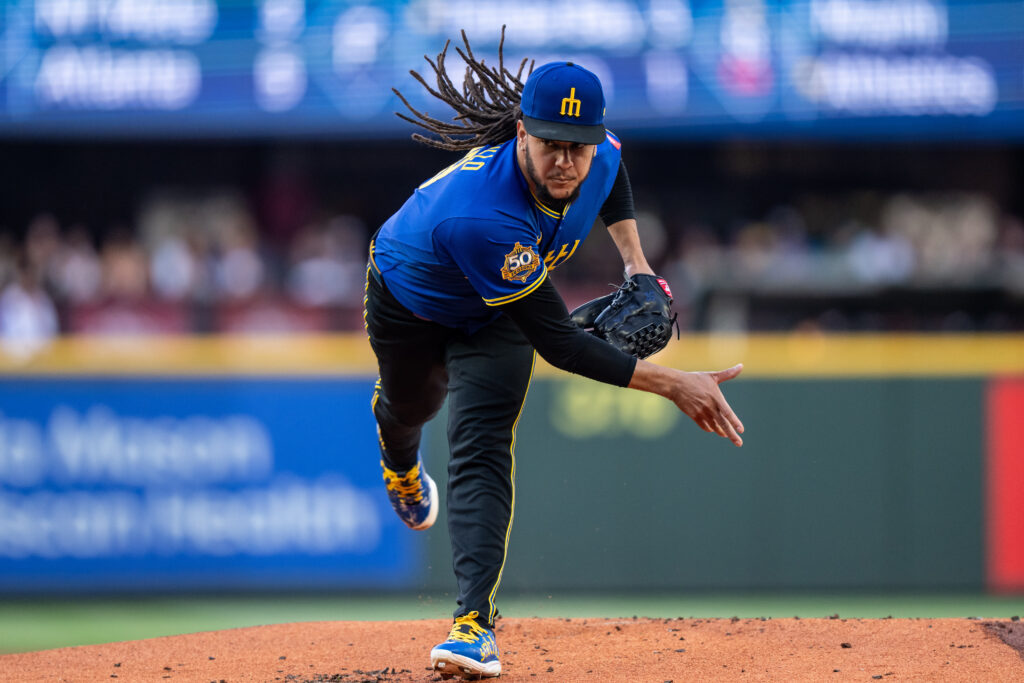
A rare real swing on the trade board
The White Sox just stepped into the kind of move that changes the temperature of a front office immediately. Seattle sending Luis Castillo) to Chicago is not your usual deadline nibble. This is a front-end starter with track record, the kind of arm contenders usually fight over because there simply aren’t enough of them available.
For Chicago, the message is obvious: this isn’t about pretending the margin is thin. This is about deciding the roster needs a legitimate anchor now, not a theory for later. Castillo gives them innings, stability, and the kind of game-day presence that lets a manager stop asking three relievers to cover every crack in the plan.
Seattle, meanwhile, is showing the market exactly where it stands. Moving a name like Castillo is never a casual dump. It’s a calculation. The Mariners are choosing roster elasticity, future value, and whatever comes next over keeping a high-end starter tied to a rotation spot that may not match the club’s long-term posture.
Why Castillo matters more than a box-score name
Castillo isn’t just a recognizable arm. He’s the sort of pitcher front offices use to stabilize the whole pitching stack. When you have him, everyone else gets slotted more cleanly. The bullpen breathes. The sixth and seventh innings stop turning into nightly negotiations.
That matters for Chicago because teams trying to move up a tier don’t need more noise. They need cleaner run prevention. A starter like Castillo can change how aggressively a club uses its bullpen the rest of the week. He can also change the way a lineup is built around him, because the pressure to outslug every opponent eases a little when you trust the guy taking the ball first.
It also matters because the White Sox have been trying to thread a very difficult needle: improve without pretending the roster is finished. Acquiring a premium starter sends a different signal than shopping for depth. It says the club is willing to spend real capital where it counts.
Seattle’s decision says plenty about the market
The Mariners are one of those teams that always gets read through its pitching. Fair or not, that’s the identity. So when they move a starter with Castillo’s profile, people immediately start asking whether this is a teardown, a retool, or just the front office cashing in a prime asset before the aging curve gets more expensive.
My read: it’s the last one that matters most. This is what smart teams do when they know the market still values certainty on the mound. Pitching is volatile, but proven pitching is still the cleanest trade currency in baseball. You can always talk yourself into upside. You can’t always find a dependable top-of-the-rotation arm when the rest of the league is hoarding them.
The Mariners also know the standings don’t care about sentiment. If they think the next version of the roster is better served by prospect capital, payroll flexibility, or a broader reset of the pitching mix, then Castillo becomes the kind of chip that can actually move the needle.
Proven starters don’t just change rotations. They change how executives think about the next two years.
What this means for Chicago’s rotation and clubhouse
This is where the move gets real for the White Sox. A front-line starter doesn’t just fill a slot. He alters expectations inside the room. Younger pitchers get a template. The bullpen gets a better script. The manager gets more flexibility on days when the offense goes quiet, which happens in baseball more than teams want to admit.
And there’s another layer here: credibility. Pitchers matter in trades because they can convince everyone else the plan is serious. Hitters see it. Agents see it. The room sees it. When a club adds a name with Castillo’s resume, it stops looking like it’s operating purely in the margins.
If you want the broader roster read, this kind of trade usually shifts pressure elsewhere. Now the question becomes whether Chicago can support the rotation addition with enough offense and enough clean defense behind him. A strong starter can cover a lot, but he can’t erase a sloppy roster build.
The bigger picture for both front offices
I’ve covered enough of these deals to know the tell: when teams trade premium pitching, they’re not just trading innings. They’re trading certainty for optionality. That’s the executive brain at work. And yes, there’s a reason so many clubs say they want controllable young hitters and pitchers who can be moved around the diamond. The roster that can flex is the roster that survives the summer.
Seattle’s part in this feels especially instructive. The Mariners have been boxed into a pitching identity for years, and sometimes that identity becomes a trap. You keep valuing arms because arms are what you know, then one day the spreadsheet tells you the smarter move is to convert one into a bundle of futures. That’s not surrender. That’s asset management.
Chicago’s side is simpler to read: they wanted a headline-level starter, and they got one. In a market where plenty of clubs would love to add but won’t pay the price, the White Sox just paid the price. That’ll get attention in the room, on the field, and around the league.
What to watch next
Now the ripple watch starts. How Seattle uses the return will tell you whether this was a one-off move or part of a broader reshuffle. For Chicago, the next tell is obvious: how quickly Castillo is folded into the rotation picture and whether the club follows this up with more help or treats this as the big swing.
The trade board always has two or three dominoes behind the first one. This is one of them. And once a name like Castillo moves, everyone else starts checking their phones a lot more often.
More from Straight From The Bench
Comments
Join the conversation — sign in to leave a comment.
Sign in to commentRelated Stories
Braves Trade for Lane Thomas and Bailey Falter: Deadline Fixes
The Braves patched two holes in one swing, adding Lane Thomas and Bailey Falter for the stretch run. It’s not fancy, but it’s the kind of move clubs make when the flag is still in sight.

Reds vs Pirates Weather Delay: Saturday Night at Great American
Cincinnati and Pittsburgh were stopped by weather in the third inning, but the Reds had already seen a smaller problem brewing. Andrew Abbott was losing the strike zone before the tarp ever came out.
Chicago Cubs Lineup: Pedro Ramirez Out Again vs Yankees
The Cubs are trying to wake up the bats against the Yankees, but the lineup and the weather both have a way of cutting into the evening. Pedro Ramirez sits again, and the pressure keeps building.