
WNBA Fever Game 3 officiating: Lexie Hull foul call sparks outrage
The call was ugly. The timing was worse. And Indiana paid for it.
 Zane Miller5 min read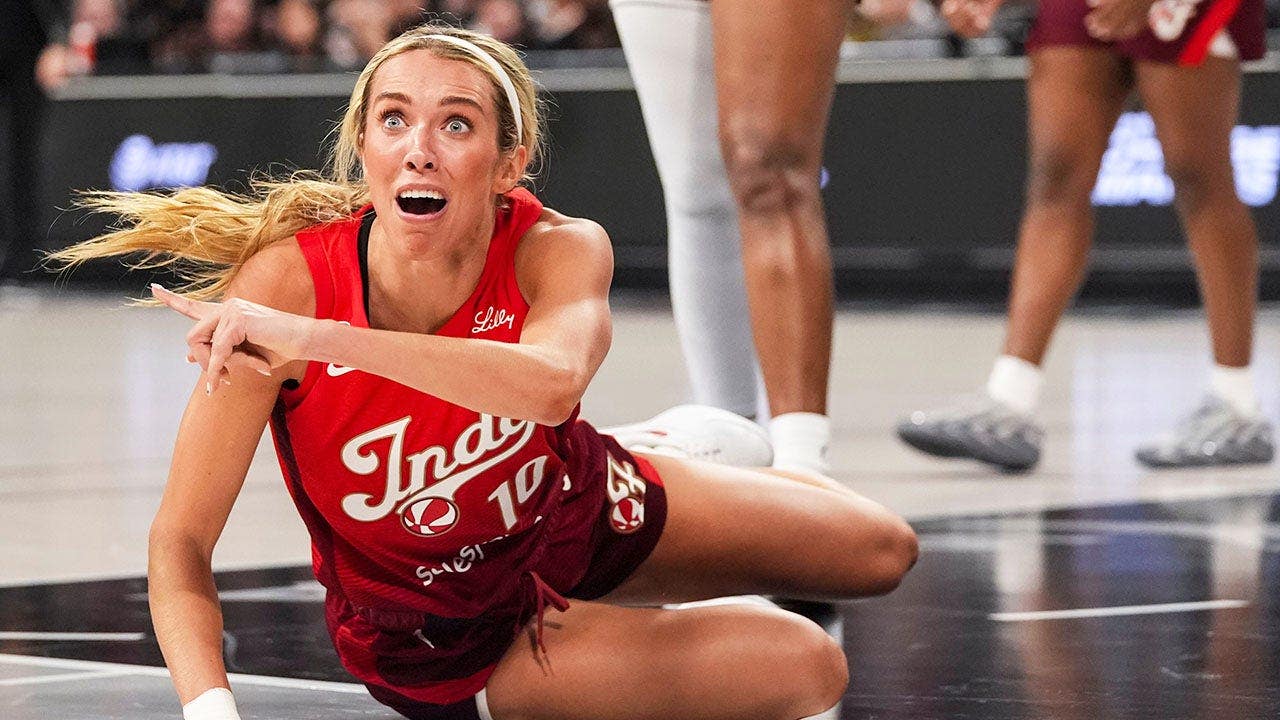
The Indiana Fever didn’t just lose Game 3. They walked out with a sequence that will live in every replay package from now until opening night next year. Lexie Hull got taken to the floor in a move that looked like it belonged in a grappling gym, not a playoff game, and somehow the foul landed on her. That’s the kind of whistle that makes everyone in the building stare at the scoreboard like it insulted their family.
The Fever are done. The season is over. The scoreboard says Las Vegas won, and that’s the part that goes in the books. But the moment people keep talking about is the one where an WNBA playoff game turned into a rules-and-replay debate instead of a basketball debate.
The Lexie Hull sequence changed the entire mood
The possession that blew up online had everything you hate if you’re trying to protect the credibility of the officiating: physical contact, a player going down hard, and a call that felt detached from what everybody just watched. Hull wasn’t selling anything. She got controlled, twisted, and dumped to the hardwood. Then the whistle came down on her.
That’s why this one stings. Fans can live with missed shots. They can even live with a team getting outclassed. What they can’t stand is a call that seems to reverse reality. In a postseason series, every whistle gets magnified. In an elimination game, it gets weaponized. By midnight, this wasn’t just about one play. It was about whether the standard of officiating can survive the brightest stage.
Indiana’s season ends, but the argument doesn’t
The Fever’s exit shuts the door on a season that felt like a turning point for the franchise, even if the finish line came faster than they wanted. They’ve got the kind of attention every team in the league wants and the kind of scrutiny most teams would rather avoid. That’s the tradeoff when your roster becomes appointment viewing.
The hard truth: playoff teams don’t get to blame one call for an entire run. But they absolutely get to complain when the call is this obvious-looking and this consequential. Indiana’s front office, locker room, and fan base are all going to remember how this ended because postseason exits harden fast. They become part of the team’s identity. Ask any veteran around the league. The bad whistle becomes a story only if the league lets the story breathe.
If that call gets made the other way, we’re talking about the possession. Instead, we’re talking about the officiating.
The league’s officiating problem is bigger than one whistle
This isn’t just about one crew or one game. The Las Vegas Aces have their business handled now, and they move on. Indiana, meanwhile, leaves with the familiar postseason aftertaste: frustration, clips, and a million people insisting they saw something the officials didn’t.
And that’s where the WNBA keeps finding itself in the same old spot. The league has momentum, a bigger audience, louder stakes, and way more eyeballs than it had even a few years ago. Great. That also means the margin for error on officiating shrinks fast. Every playoff controversy becomes a referendum on standards, not just a call. The league can’t sell growth on one hand and shrug off visible chaos on the other.
I’ve seen this movie across sports long enough to know what happens next. The league office will review the clip, talk about process, maybe explain the mechanics if it has to. But fans don’t remember the mechanics. They remember the body language. They remember who got penalized. They remember whether the whistle matched the violence they just watched.
What this means for Indiana, and who benefits from the backlash
For Indiana, this shifts the offseason conversation immediately. The roster has credibility now. The fan base has energy. The national attention is real. That matters because teams with that kind of platform get judged differently. Their next move — development, depth, spacing, defense, whatever comes first — will be watched through the lens of how close they were to making this a deeper run.
There’s also a market piece here. The Fever are one of the league’s loudest television stories. That means every officiating controversy involving them gets amplified, and every amplified controversy becomes league business. That’s not a side issue. That’s a core product issue. If the game is going to keep expanding, the decision-makers need fans feeling like the outcome came from basketball, not a roulette wheel.
I’ll say this plainly: the more eyes the WNBA gets, the less room there is for a call this messy. That’s not me piling on the officials. It’s me pointing out the reality of modern sports. Clips travel faster than explanations. Anger travels faster than accountability. And the league is now big enough that its officiating has to grow up at the same pace as its popularity.
The next thing to watch is how the league responds
If the WNBA wants this to fade, it needs the kind of response that shows it knows exactly how bad that sequence looked. Not a shrug. Not generic noise. A serious look at standards, mechanics, and how playoff games are being managed when tempers and stakes are both maxed out.
Because this one won’t disappear just because the season is over for Indiana. The Fever are heading into an offseason that will be analyzed from every angle. The Aces move on. The league moves on. But fans? They clip, they post, and they remember.
And right now, they remember one ugly whistle more clearly than the box score.
Football season can have the spotlight for a minute. The playoff tape from this one is still going to be buzzing when the next WNBA slate tips off.
More from Straight From The Bench
Comments
Join the conversation — sign in to leave a comment.
Sign in to commentRelated Stories
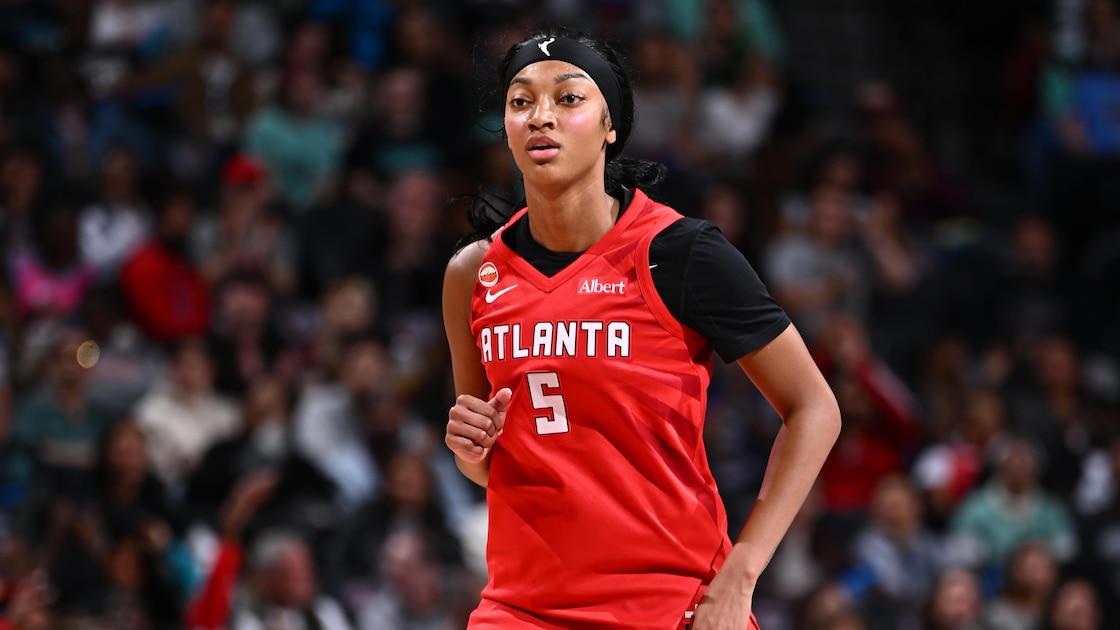
Angel Reese WNBA Defensive Player of the Year: full voting shake-up
Angel Reese just turned a playoff win into a defensive crown. The timing says plenty about where her value sits in the WNBA hierarchy now.

Arike Ogunbowale WNBA Playoff Record: 45-Point Lifeline
Arike Ogunbowale dropped a WNBA playoff-record 45 to drag Dallas back from the edge. The Wings still have life because their star refused to let the season end quietly.
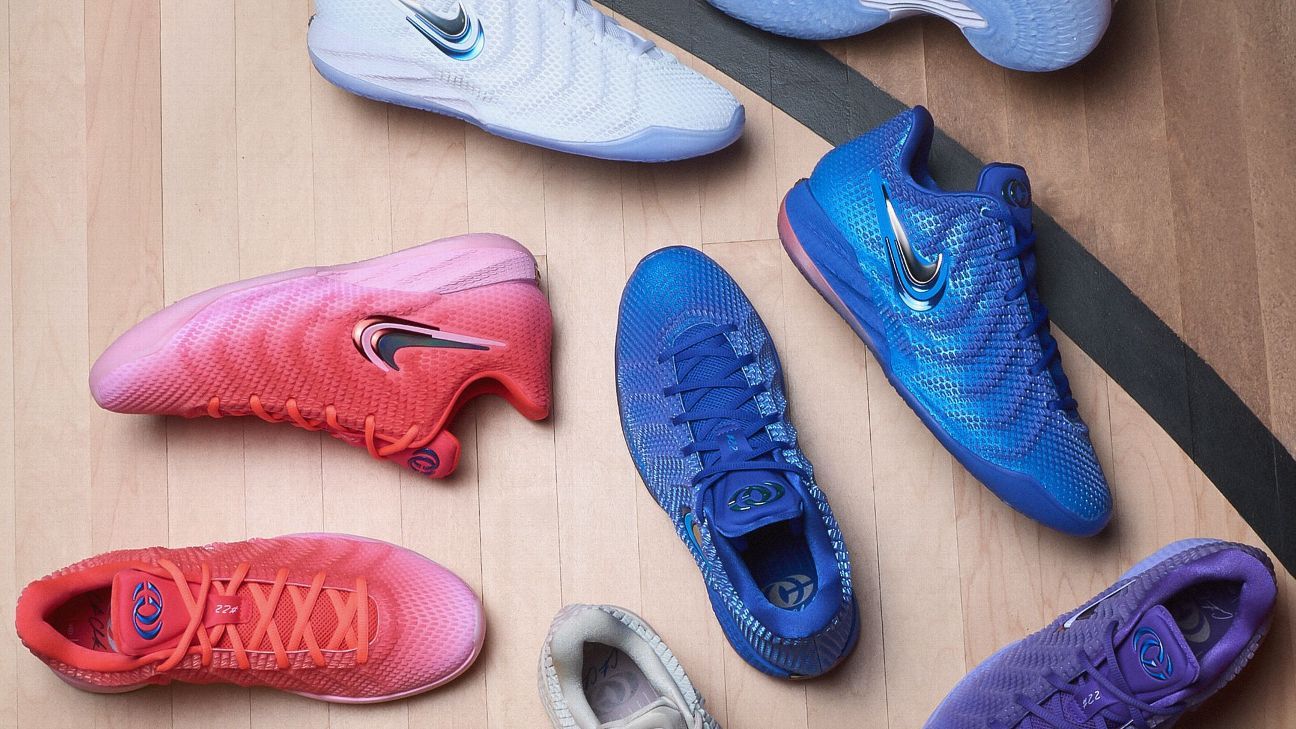
Caitlin Clark Signature Shoe: Nike drops the long-awaited line
Caitlin Clark’s signature shoe finally lands Thursday, and Nike is betting her stardom travels well beyond box scores. The WNBA’s biggest draw just got another stage.