
World Cup final TV ratings: 62.8M U.S. viewers set record
The numbers just handed soccer’s media market a louder voice.
 Zane Miller5 min read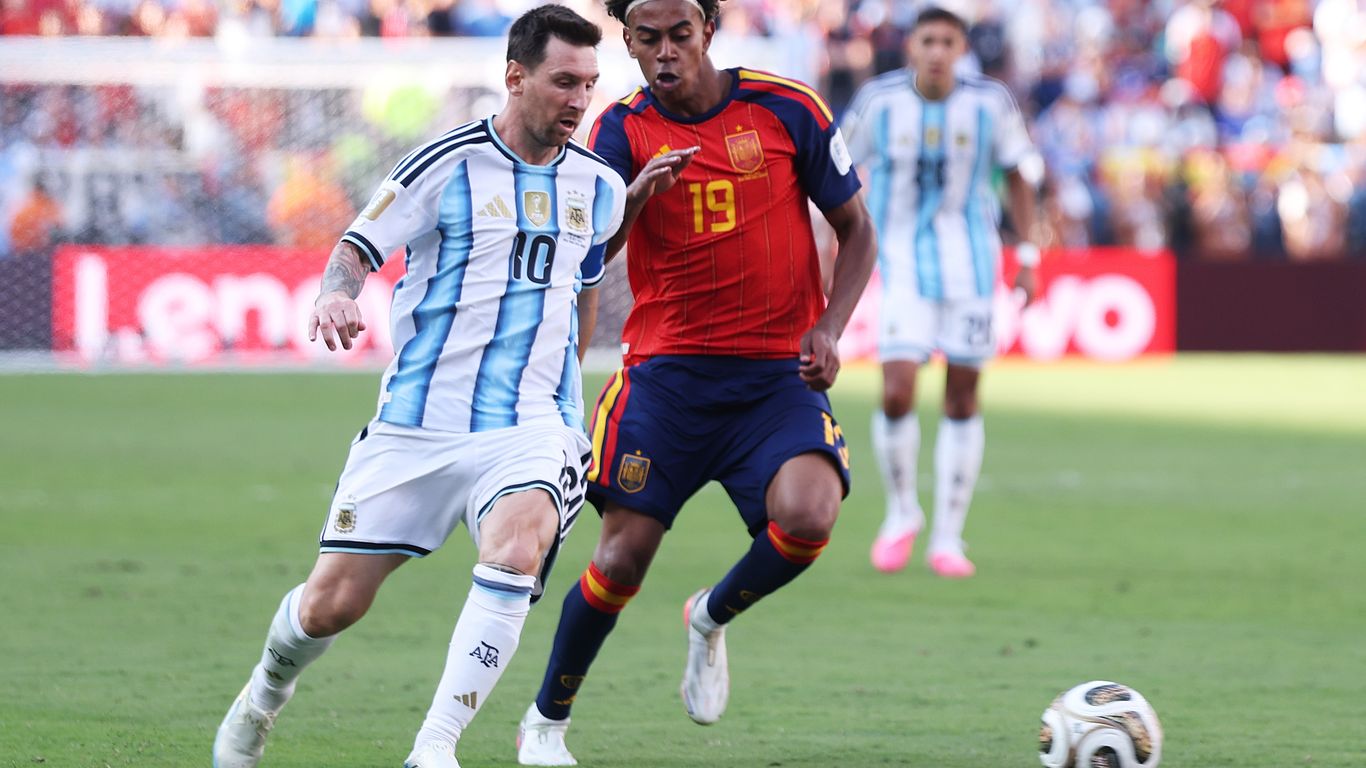
The number is loud enough to rattle the room: 62.8 million U.S. viewers for the World Cup final. That is not a niche-sport footnote. That is mainstream gravity. And for everyone trying to sell the next round of media rights, it’s the kind of data point that gets circled in red ink before anyone even asks about kickoff times or ad inventory.
Spain beat defending champion Argentina 1-0 in extra time, and the match delivered more than a trophy. It delivered proof. Proof that soccer in the U.S. can still spike into a national event when the right stage, the right stakes and the right brands are all aligned. It also became the most-watched soccer match in Spanish-language media history, which matters just as much in the long game because the sport’s commercial ceiling in this country has always been tied to who is watching, how they’re watching, and in what language they’re consuming it.
The broadcast market just got a fresh bargaining chip
This is the kind of audience number that changes tone in a conference room. Media executives do not need a pep talk about soccer’s reach anymore. They need a spreadsheet and a plan.
For years, the tension around soccer rights in the U.S. has been about scale versus consistency. Can the sport produce a monster event, yes. Can it do it often enough to justify a bigger rights package, also yes — but that’s the part networks and streamers keep trying to price properly. A 62.8 million viewer final gives them cover to argue that the sport has become appointment viewing at the top end, not just a cable-add-on for a very dedicated base.
That matters because the next negotiations will not be built on vibes. They’ll be built on peak inventory, multilingual reach and whether the audience can be converted into a year-round habit. A final like this gives soccer a stronger answer to the old argument: that the U.S. only leans in for once-a-cycle spectacles.
Spain-Argentina gave the event the juice it needed
Big audiences do not happen in a vacuum. They happen when a championship game carries a clean storyline and recognizable stakes. Spain. Argentina. Defending champion. Extra time. That is the kind of setup that travels across demographics and into living rooms that do not check domestic league tables every week.
That’s why this matters beyond the trophy itself. The final didn’t just benefit from the FIFA brand. It benefited from the universal language of elimination pressure. It’s the same reason the Premier League and the UEFA Champions League can sell drama even to casuals: the top-end product is easy to explain and hard to ignore.
Still, soccer’s real mission in the U.S. is not to peak once and collect applause. It’s to make those peaks normal enough that the next rights deal looks obvious. This final helped. A lot. But the industry knows the next step is less about one mega-number and more about whether that audience can be threaded through more matches, more shoulder programming and more consistent cross-platform consumption.
Spanish-language TV keeps flexing its influence
The Telemundo piece is a big deal on its own. Most-watched soccer match in Spanish-language media history is not a side note. It is a signal about where the sport’s deepest U.S. cultural roots actually live.
Networks understand this better than fans sometimes do. Spanish-language coverage is not just a secondary feed; it is a core engine for soccer’s American growth. The audience is loyal, knowledgeable and far more likely to treat major matches as communal viewing. That creates leverage in the market, especially as rights partners chase households that are younger, more diverse and less tethered to traditional English-language TV habits.
I’ll say it plainly: if I’m sitting in a rights meeting, I’m not looking at this as a one-off victory lap. I’m looking at it as a reminder that soccer’s future in the U.S. will be bilingual whether the old guard likes that framing or not. The money follows attention, and the attention here clearly comes in more than one language.
This wasn’t just a soccer rating. It was a proof-of-concept for what the sport’s next media deal can actually command.
I’ve covered enough of these media cycles to know the pattern. A huge event lands, the industry smiles, then everybody rushes to explain why it still doesn’t mean anything. That reflex is outdated. When a final breaks through like this, it changes the leverage of everyone at the table — leagues, broadcasters, streamers, sponsors, and even the clubs waiting to cash in on the halo effect.
The real question is not whether soccer has a ceiling in America. We already know it can fill the biggest stage when the match is right. The question is whether the business can build a schedule around that reality instead of pretending the demand is incidental. That’s where MLS and the broader soccer ecosystem will be judged next: not by one Sunday spike, but by how much of that audience can be kept warm between the headline nights.
What this means for the next rights fight
Here’s the part executives won’t say out loud in public: record numbers harden positions. Rights holders see a premium asset. Buyers see a justification for paying up. Agents, sponsors and league partners all start moving their expectations a notch higher.
That doesn’t mean every soccer property suddenly gets priced like the final. It does mean the top of the market has fresh evidence that live soccer can still produce tentpole television in the U.S. That’s gold in a marketplace where live sports remain the last real appointment-viewing moat.
If you’re looking for the larger industry takeaway, it’s this: the next media package that includes soccer is going to be negotiated with this final sitting on the table. Not metaphorically. Actually on the table. And everyone involved will know exactly what 62.8 million viewers looks like when the matchup, the moment and the storytelling all line up.
The final did its job. Now the business side has to decide how much it’s willing to pay for the next one.
More from Straight From The Bench
Comments
Join the conversation — sign in to leave a comment.
Sign in to commentRelated Stories
Spain World Cup Champions Return Home for Madrid Royal Parade
Spain’s World Cup winners landed to royal applause and a Madrid parade, a proper homecoming for a team that turned a summer into a nation’s memory.
Kevin Keegan Death: Liverpool and England Legend Dies at 75
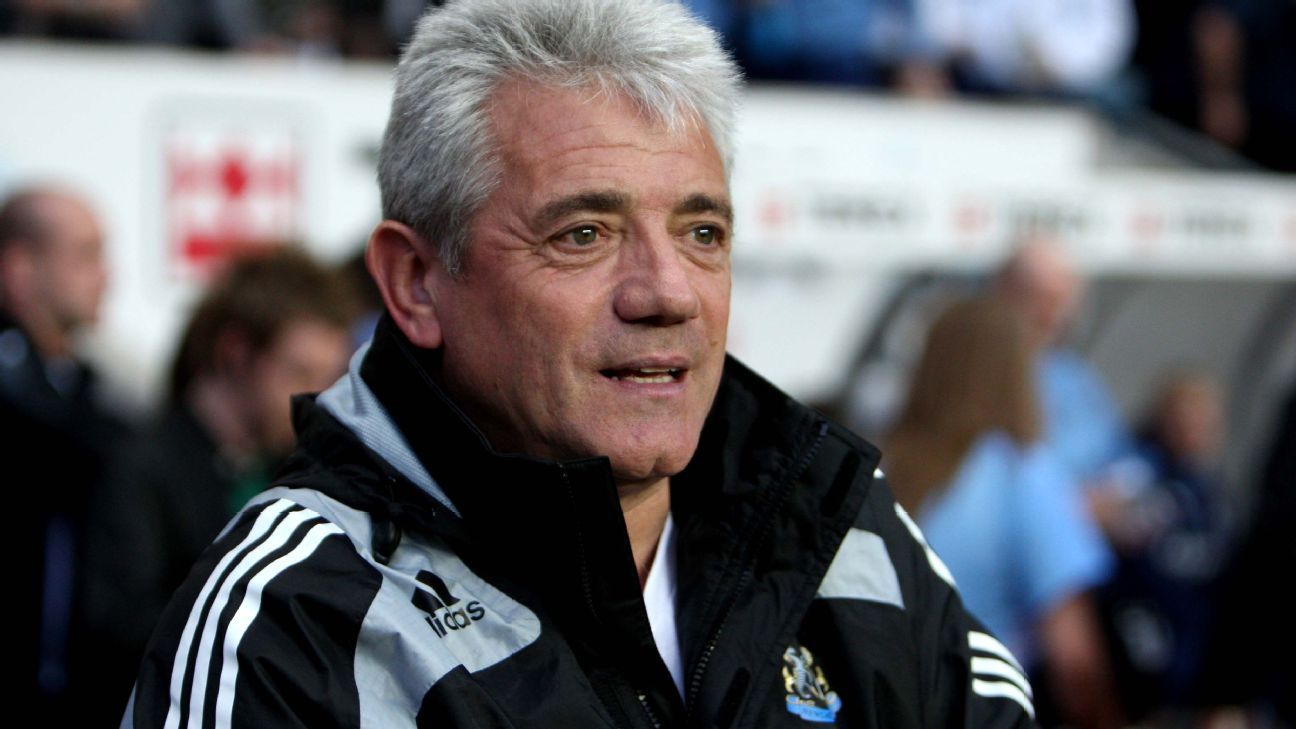
Kevin Keegan was more than a scorer and more than a manager; he was a weather system. His death at 75 closes a chapter of English football that still feels alive in the memory.

Spain World Cup Celebration Photo Leaves Trump Out
Spain’s championship photo went out clean, and Donald Trump wasn’t in it. In a moment built for optics, the edit said plenty.