
Zverev Finally Breaks Through at Wimbledon — and the Bracket Feels It
 Zane Miller5 min read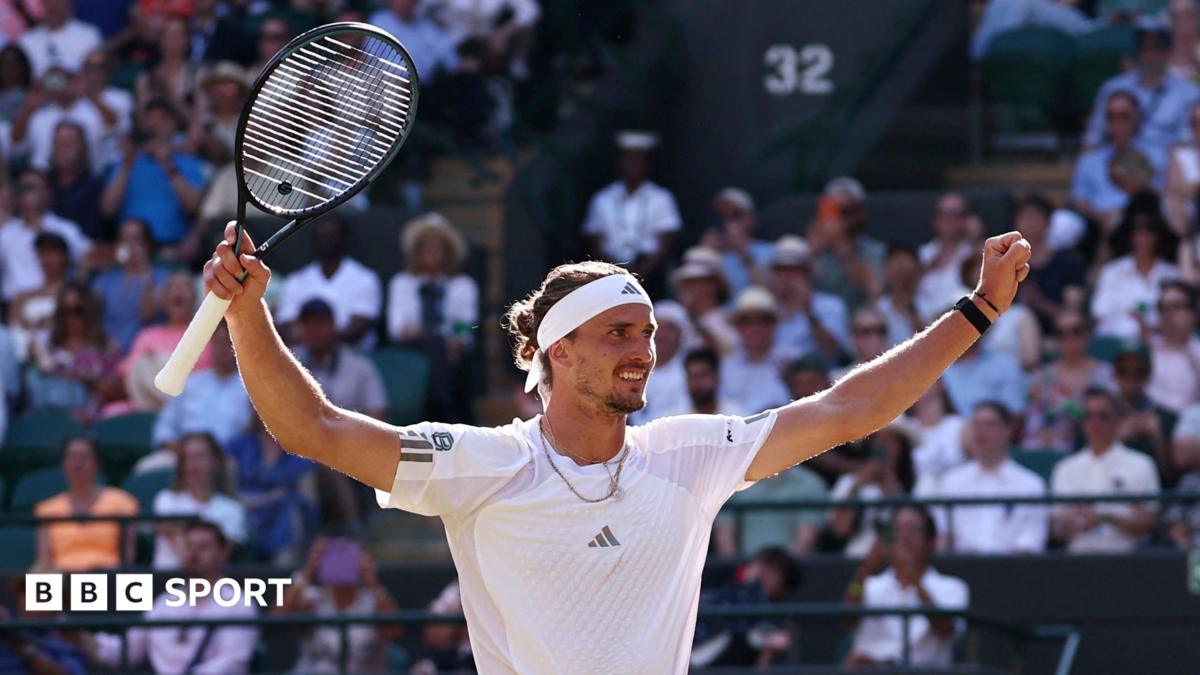
Alexander Zverev didn’t just win a quarterfinal. He kicked down a door that had been locked on him for years, then walked straight into his first Wimbledon semifinal with the kind of authority that changes a tournament’s mood. The scoreline matters, sure. What matters more is the shift underneath it: Zverev looked like the second seed everybody expected to show up at a major, while Taylor Fritz was compromised and never able to turn this into a real fight.
That’s the real read here. Zverev has spent far too much of his career carrying the baggage of near-misses, weird losses, and those maddening stretches where the physical tools are obvious and the results lag behind. Beating Fritz after dropping seven straight in the matchup is not a trivia note. It’s a pressure release. For a player who has lived with the narrative that he can’t solve elite opponents in the biggest moments, this is the kind of win that quiets a lot of noise.
Zverev finally cashes in on the talent everyone already knew was there
Zverev has been one of the most polarizing figures in men’s tennis for years because the profile never really changed: big serve, heavy groundstrokes, ridiculous defensive coverage for a man his size, and a résumé that suggested more should have been in the trophy case by now. That’s why this run hits differently. Reaching the Wimbledon semifinals for the first time is not some side note on grass. It’s proof he can translate his baseline power to the surface that has historically punished hesitation.
Grass is cruel that way. It gives you less time to think, less time to reset, less time to play safe and hope the other guy blinks. If you’re timid on Wimbledon, you get exposed quickly. Zverev was the opposite here. He looked clean in his patterns, direct in his shot selection, and unusually comfortable moving through the first ball of the rally. That’s how you control a match on this surface.
The psychology matters too. Seven straight losses to one opponent can get in your head even if you pretend it doesn’t. Players will tell you the same thing every time: the record isn’t on court with you, but it sure lives in your head between points. Zverev ended that problem in the most efficient way possible.
Fritz’s injury changed the match, but not the bigger temperature reading
Taylor Fritz was not operating at full capacity, and that has to be part of the conversation. Tennis fans hate asterisk talk, but the body doesn’t care about narrative. If Fritz was limited, the match was already tilted before the first swing. Zverev still had to do the work, and he did. Still, the injury changes how we evaluate the performance in the moment.
Fritz’s best version is dangerous on fast grass because the serve buys him instant scoreboard pressure and his forehand can take control before rallies settle in. When that engine isn’t firing normally, the whole profile changes. Suddenly the return games become heavier, the movement looks less explosive, and the margins that matter on grass start leaning the other way. Zverev sensed that and kept leaning on it.
This was a real win for Zverev, but it was also a reminder that the draw is never just about talent — it’s about who can physically survive the middle rounds.
That doesn’t make the result meaningless. It makes it more complete. Great players are supposed to punish compromised opponents. The cleanest path through a major is not apologizing for the conditions; it’s taking the opening and moving on. Zverev did exactly that.
What this says about the men’s grass-court pecking order
The men’s game has been looking for a steadier layer behind the absolute top names for a while, and Zverev keeps showing up in that lane. He may not always feel like the flashiest title threat, but the ranking, the physicality, and the matchup versatility all say the same thing: he belongs in the conversation every time a major starts. On grass, that matters even more because the surface compresses the field and rewards the guys who can serve, strike, and defend without hesitation.
There’s also the bracket reality. Once a player like Zverev gets to a semifinal at Wimbledon, the rest of the draw has to adjust. Opponents are not just dealing with a name on paper; they’re dealing with the second seed, a player with top-end tools and enough experience to know how to shorten matches. That can drag a tournament into a different lane. Seed lines matter for a reason. They are the market signal.
And this is where the big-picture read gets interesting. Zverev has spent years being framed as “almost” a major threat. That label gets thrown around a lot until suddenly it doesn’t. A deep run on grass, at this event, against the backdrop of a winless stretch in the matchup, is how those labels start to crack.
My read: this is the kind of Wimbledon breakthrough that can stick
I’ve seen enough of these runs to know the difference between a good week and a career-turning one. A good week is when the draw opens, the opponent gets hurt, and the headlines write themselves. A career-turning one is when a player looks more settled with every round, stops asking the surface for permission, and starts dictating terms. Zverev’s semifinal push feels closer to the second category.
He’s not suddenly a finished product on grass. Nobody is pretending the scars disappear because one quarterfinal went his way. But this is how elite players reframe themselves: not with one perfect season, but with a specific breakthrough that matches the tools. For Zverev, Wimbledon has long been the place where the narrative lagged behind the ability. That gap just got smaller.
The next match will tell us even more. Can he back this up against someone healthy, in form, and willing to drag him into the type of physical grind where his composure gets stress-tested? That’s the real semifinal question. For now, he’s earned the shift in tone. The grass isn’t an obstacle anymore. It’s a runway.
Zverev has the breakthrough. Now comes the part where he has to make Wimbledon believe it too.
Comments
Join the conversation — sign in to leave a comment.
Sign in to commentRelated Stories

Justin Verlander’s Exit: The End of Baseball’s Last Great Fastball Era
Justin Verlander says this season will be his last, closing the book on a career that stretched across eras, ballparks, and baseball’s changing idea of dominance.

Egypt Takes Its Complaint to FIFA After Argentina’s Rough Ride in the Round of 16
Egypt says the whistle hurt them in a 3-2 World Cup loss to Argentina. In knockout football, one bad call can feel like a mugging.
The Mets Stopped Bleeding, and Atlanta Felt It
A road split in Atlanta won’t redeem a season, but it can change the air around a club. The Mets looked less like a wreck and more like a threat.