
Pirates Acquire Ron Marinaccio: Bullpen Shuffle After Santana DFA
Pittsburgh keeps hunting for arms while another supposed answer gets kicked to the curb.
 Zane Miller6 min read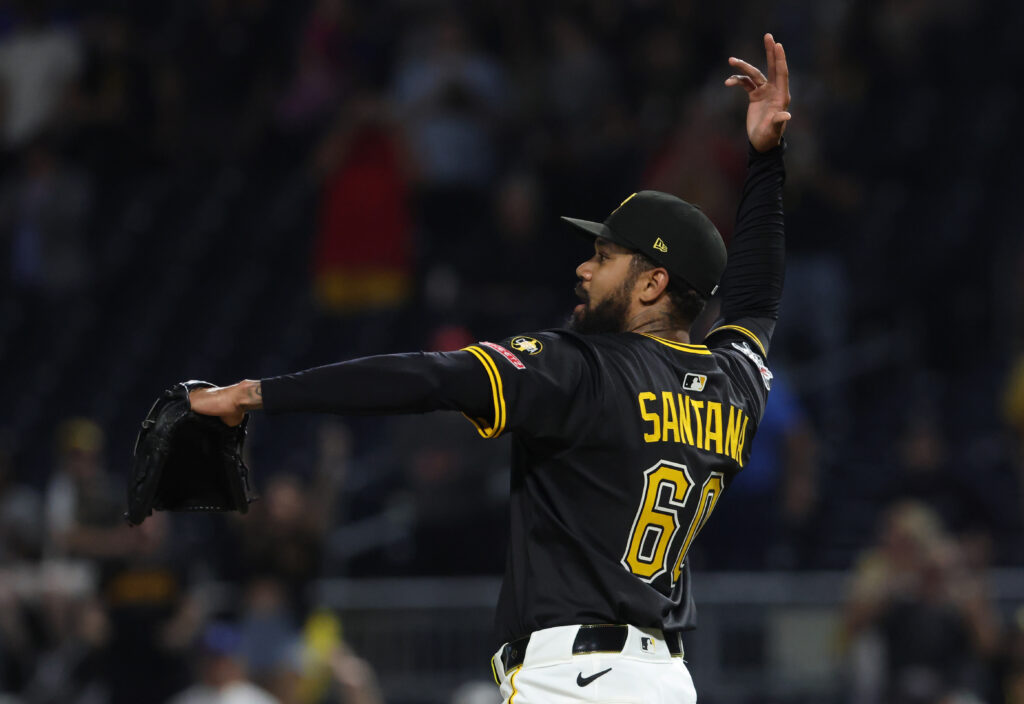
The Pirates are still shopping in the bullpen aisle, and this time they came home with Ron Marinaccio. That part is straightforward. The less comfortable part is the other side of the ledger: Dennis Santana, who was supposed to stabilize this group, has been designated for assignment. That’s not a subtle roster move. That’s a front office saying the current version wasn’t good enough, fast enough.
Pittsburgh has been living in bullpen churn for a while now, and this is another reminder that the club is not treating relief depth like a luxury. It’s an ongoing repair job. Marinaccio gives them a fresh arm, a different look, and another name for the middle innings, while Santana becomes the latest roster casualty in a market where the back end of a pitching staff gets judged on a hair-trigger.
Pittsburgh keeps testing the bullpen market
The Pirates are not alone here. Every front office that isn’t sitting on an elite late-inning trio spends half the year trying to identify who can survive leverage spots and who is one bad week away from the wire. Relief pitching is the most volatile part of a roster for a reason. One month you’re talking about a trusted setup man. The next, you’re looking for innings from somewhere else.
That’s the real context behind this move. Pittsburgh is still sorting through who fits the structure of a competitive bullpen and who doesn’t. The Pirates don’t have the luxury of standing pat if a reliever isn’t missing bats or missing barrels. In a division race, the margins are small enough that one shaky inning can wreck a week.
Marinaccio arrives as a bullpen depth play, but depth matters when you’re trying to avoid overexposing the same arms every night. Especially for a club that can’t afford to burn down its relievers by July and pretend the waiver wire is going to solve everything.
Santana was supposed to be part of the answer
This is the part that stings a little more. Santana was not brought in to be a side note. He was supposed to help, maybe even become one of those dependable middle-of-the-pack relievers that every contender needs to survive the long season. Instead, he’s out the door before that idea really took root.
That tells you how quickly a bullpen hierarchy can change. A reliever can be one day from being framed as a useful piece and one week from being DFA’d if the results and the fit don’t line up. There’s no long runway for pitchers in that middle class of roster building. If you don’t occupy a role cleanly, you get replaced by the next candidate.
Pittsburgh’s front office is clearly not interested in sentimental roster management here. They’re looking for usable outs, not names on a depth chart. That’s rational. It’s also a sign the club still hasn’t found the version of the bullpen it wants to live with.
In bullpen building, “good enough” gets exposed faster than almost any other pitch in baseball.
Marinaccio is a fit, but the fit matters more than the name
Ron Marinaccio is the type of move that can look minor and still matter a lot if the usage lines up. He’s not being added to sell tickets or dominate headlines. He’s being added because clubs are always searching for a pitcher who can handle a pocket of the order without unraveling the whole night.
That’s the true test in a move like this. Not whether Marinaccio has pedigree, but whether Pittsburgh can slot him into situations where his strengths play. A lot of bullpen acquisitions fail because they’re treated like plug-and-play answers when they’re really usage-dependent pieces. One bad assignment can make a decent arm look broken.
This is where the analytics crowd and the dugout crowd usually agree: if a reliever misses enough bats, limits the dangerous contact, and can be deployed without creating a matchup nightmare, he becomes useful quickly. If not, he’s just another chapter in the bullpen shuffle.
The Pirates have to hope this one lands better than the last iteration. They’re not buying certainty. They’re buying another chance to get through six, seven, and eight without holding their breath.
What this says about the Pirates’ larger plan
I’ll say it plainly: this is the kind of move that tells you a team is still hunting for identity, not just talent. Pittsburgh isn’t behaving like a club that believes its current bullpen is set. It’s behaving like a club that knows the staff needs constant maintenance.
That’s not necessarily a bad thing. The smart teams keep turning over the bottom of the roster until they find someone who sticks. But there’s a fine line between active roster management and chasing your tail. If you’re making bullpen moves every time a guy falters, you better be confident the incoming arm solves a real problem.
And here’s my read: this is about preserving flexibility as much as improving performance. The Pirates are trying to avoid getting trapped with dead roster spots. They want options, especially in August and September when every bullpen gets stretched and every manager starts counting who still has anything left.
I’ve seen enough of these transactions to know the message they send inside a clubhouse. Nobody is untouchable in the middle innings. If you’re supposed to be a solution and you’re not getting it done, the organization will move on before the excuses pile up. That’s cold, but it’s modern roster construction.
This also fits the bigger league trend. Teams are less loyal to relievers than ever. A few years ago, some of these arms would have been allowed to work through trouble for a month. Now? If the indicators don’t like what they see, the transaction machine starts humming immediately. The MLB season doesn’t reward hesitation in the bullpen.
The other part of this is the market itself. Clubs will keep paying in one form or another for bullpen help, whether that means prospects, bonus pool space, or roster maneuvering. Pittsburgh got a fresh arm without making a headline-grabbing swing. That’s how a lot of these moves are done now.
What to watch next
The immediate question is how quickly Marinaccio gets into the mix and whether Pittsburgh gives him a real lane or just a few low-leverage looks to start. That usage will tell you plenty about how the staff views him.
The longer answer is whether this is a one-off correction or the start of another bullpen reset. If the Pirates keep cycling through arms this quickly, then the issue is not one reliever. It’s the structure around him.
For now, the move is simple: add a live arm, cut the dead weight, keep the innings moving. That’s how bullpens are built in 2026 baseball. The Pirates just made the next adjustment. More are probably coming.
And in this market, that’s usually the clearest sign a team still isn’t done.
More from Straight From The Bench
Comments
Join the conversation — sign in to leave a comment.
Sign in to commentRelated Stories

MLB Trade Deadline: 20 players likely changing teams
The 2026 deadline is messy, crowded and full of bad math. That usually means one thing: useful players move, and teams pretend they saw it coming.

Tampa Bay Rays Stadium Vote: Redevelopment Agency Cuts August Agenda
Tampa’s redevelopment agency has pulled a stadium vote from its August agenda, while Rays CEO Ken Babby says the club may move ahead without city money.
Dodgers White House Visit: Trump Hosts World Series Champions
The Dodgers took the White House stage after another title, but the optics were as loud as the ceremony. This is what the visit says about the team, the brand, and the moment.